
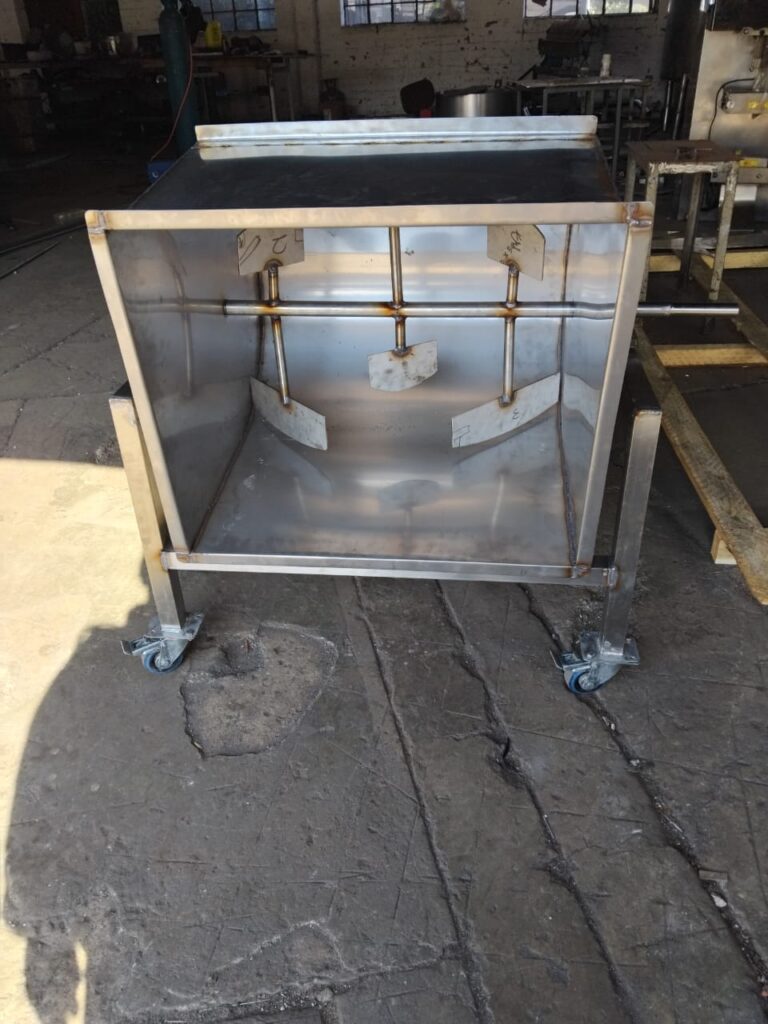
What Is a Paddle Mixer?
A paddle mixer is a heavy-duty mixing tool or machine that uses flat, paddle-shaped blades to stir or blend thick materials. Unlike a high-speed drill mixer, a paddle mixer offers high torque at low speeds, making it ideal for dense substances that need strong, consistent force to mix properly.
Why Choose a Paddle Mixer?
- Excellent for mixing dense or viscous materials, like cement, plaster, mortar, adhesives, and powder compounds.
- Provides very consistent mixing, reducing lumps and ensuring all ingredients are evenly distributed.
- Saves time: mixing with a paddle machine is significantly faster and less tiring than manual mixing.
- Durable construction: built to withstand the stress of heavy material mixing.
- Versatile: works for construction, industrial, or manufacturing tasks depending on design.
Types of Paddle Mixers
- Electric Handheld Paddle Mixer
Lightweight, handheld, ideal for smaller mixing jobs or construction tasks where portability is necessary. - Dual-Paddle Mixer
Features two paddles for simultaneous mixing, offering more power, volume, and stability. - Fixed or Shaft Paddle Mixer
A mixer built into a production line or tank, used for continuous or batch mixing of powders and granules. - Batch Paddle Mixer
Designed to mix material in a container or drum; great for medium-size production or manufacturing setups.
Important Features to Look For
- Motor Power: Critical for strong mixing; higher wattage or horsepower gives more torque.
- Speed Control: Variable speed lets you adjust the mixing according to material density or batch size.
- Paddle Material: Metal (steel or stainless) paddles are more durable and resist wear.
- Housing and Handles: Good ergonomic design, secure grip, and durable housing make operation easier.
- Build Quality: Strong gears or gearbox, high-quality bearings, and solid frame make the mixer last longer.
- Safety Mechanisms: Overload protection or thermal cut-off keeps the motor safe.
- Cleaning Access: Ability to detach or clean paddle blades is very useful after heavy mixing.
Common Uses for Paddle Mixers
- Construction & Building: Mixing cement, mortar, tile adhesive, plaster.
- Industrial Manufacturing: Blending powders, pigments, or dry chemicals.
- DIY / Renovation Work: Mixing paint, filler, putty, or thick adhesives.
- Batch Production: Use in tank-mounted or fixed installations for consistent powder or liquid mixing.
Pros and Drawbacks
Pros:
- Powerful torque for thick materials
- Long-lasting design
- Reliable and efficient for recurring heavy-duty mixing
- Maintains consistent mixture quality
Drawbacks:
- Can be heavy and cumbersome to use for long periods
- Requires a powerful motor – not ideal for very light, watery mixtures
- Needs maintenance to keep paddles, motor, and gearbox in good condition
- Larger models may be expensive and require more space
How to Choose the Right One for Your Needs
- Determine Your Material: Understand the density and volume of what you’re mixing.
- Estimate Batch Size: Know whether you need a handheld version or a fixed industrial mixer.
- Check Power Source: Confirm that your working area supports the required power.
- Plan for Clean-Up: For sticky or dirty mixes, pick a mixer that is easier to dismantle and clean.
- Factor in Maintenance: Choose a model from a brand or supplier that provides replacement parts.
Buying Used or Second-Hand
- Ask to test the mixer with material similar to what you will be mixing.
- Inspect the paddle blades — check for wear, bending, or damage.
- Run the motor to feel for vibration, overheating, or noise.
- Confirm how often it was used and what it mixed.
- Ask for any maintenance history or service records.
- Make sure spare parts (paddles, coupling, motor) are still available.
Paddle Mixer for Sale in South Africa: Specifications to Compare
Two industrial paddle mixers for sale can look the same in a photo but perform very differently. Compare these points on every quote:
| Specification | What to look for |
|---|---|
| Working capacity | Paddle mixers work well from about 30% to 80% full, so they handle small and large batches in the same machine. |
| Motor and gearbox | Wet, sticky or heavy products (mince, feed with molasses, mortar) need a strong geared motor with low RPM and high torque. |
| Paddle design | Angled paddles lift and fold the product gently. Single-shaft suits most jobs; twin-shaft gives a faster, more intensive mix. |
| Steel grade | 304 stainless steel for food and meat; 316 for salty or chemical products; mild steel for building and agricultural mixes. |
| Discharge | Bottom flap or slide gate discharge, or a tilting trough for sticky products that do not flow out easily. |
| Cleaning access | Removable or hinged lids, rounded corners and a drain point make wash-down quicker between batches. |
Paddle Mixer vs Ribbon Blender
The most common question we get is whether to buy a paddle mixer or a ribbon blender. As a rule of thumb:
- Choose a paddle mixer for wet, sticky, heavy or fragile products: boerewors and sausage mince, animal feed with molasses, coated nuts, granola, tile adhesive and plaster mixes.
- Choose a ribbon blender for dry, free-flowing powders: spices, washing powder, flour, protein powder and premixes.
- Choose a paddle-ribbon combination when your product sits in between, or when you make both kinds of product.
For meat and boerewors lines, also read our meat mixer machine buying guide. See our full ribbon blender and paddle mixer machinery range.
Paddle Mixer Price: What Affects the Cost?
The paddle mixer price in South Africa depends on:
- Capacity (litres or kilograms per batch)
- Stainless steel vs mild steel construction
- Single-shaft or twin-shaft design
- Motor size and gearbox brand
- Discharge type (manual, pneumatic or tilting)
- Extras such as a heating jacket, spray nozzles or a control panel with timer
Because we build to order, you only pay for the features your product needs. Contact us with your batch size for a quote, or spread the cost with rent-to-own finance.
Where to Buy a Paddle Blender Near You
SME Machinery manufactures paddle mixers and paddle blenders in Germiston on the East Rand. Customers in Johannesburg, Pretoria, the Vaal Triangle and the West Rand are welcome to visit the factory and see a machine running. We deliver and install nationwide. See our Gauteng service areas.
Frequently Asked Questions
What is a paddle mixer used for?
Paddle mixers blend wet, heavy, sticky or fragile products evenly without crushing them, for example meat and sausage mince, animal feed, coated snacks, mortar and tile adhesive, fertiliser and food premixes.
Is a paddle mixer better than a ribbon blender?
Neither is better in general. A paddle mixer is gentler and copes with wet or sticky products, while a ribbon blender is faster for dry, free-flowing powders.
Can a paddle mixer handle small batches?
Yes. Paddle mixers mix well even when only about a third full, which makes them a good choice if your batch sizes vary.
Do you sell used paddle mixers?
We focus on new, made-to-order machines with local spare parts and support. Rent-to-own finance helps start-ups that would otherwise look at second-hand equipment.
Can you build a paddle mixer to my size?
Yes. Tell us your product, batch weight and daily output and we will size the trough, motor and discharge to suit.
Get a Quote on a Paddle Mixer from SME Machinery
SME Machinery designs and manufactures paddle mixers to your specification at our factory in Germiston, and we deliver and install across Gauteng and South Africa. Tell us what you produce, your batch size and your daily output, and we will recommend the right machine and send you a quote.
- Call or WhatsApp: 073 646 5211
- Email: info@smemachinery.co.za
- Visit: 8 Moller Street, Factory C2, Germiston South (Mon–Sat, 7am–5pm)
- Need to spread the cost? See our rent-to-own and finance options.
Final Thoughts
A paddle mixer for sale is a smart buy for anyone dealing with dense or thick materials. Whether for construction, heavy-duty mixing tasks, industrial applications, or DIY production, a well-chosen paddle mixer makes your work faster, more accurate, and less labor-intensive.
When buying, focus on motor power, build quality, paddle design, and how you plan to use or maintain the mixer. Choosing wisely will give you a tool that boosts efficiency while standing up to the demands of regular, heavy use.