
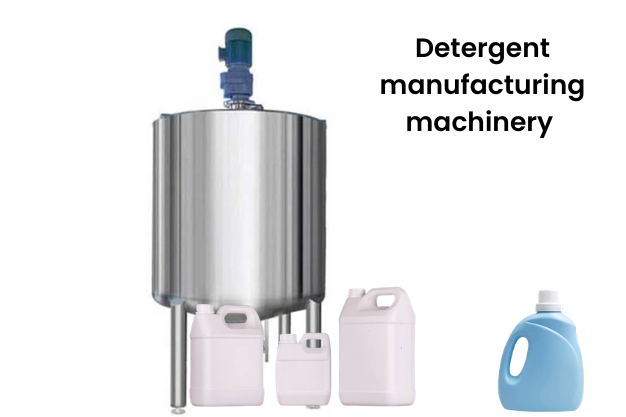
The global demand for cleaning products continues to rise, making detergent production a highly profitable business opportunity. From household laundry detergents to industrial cleaning solutions, manufacturers require efficient equipment to meet growing market needs. Detergent manufacturing machinery is designed to produce both liquid and powder detergents with consistent quality and high efficiency. These machines automate the mixing, blending, and processing of raw materials into finished cleaning products. Whether you are starting a small detergent business or scaling up to industrial production, investing in detergent manufacturing machinery for sale is essential for success. What is Detergent Manufacturing Machinery? Detergent manufacturing machinery refers to industrial equipment used to produce: These machines ensure proper mixing, uniform composition, and high-quality output. How Detergent Manufacturing Works Raw Material Mixing Ingredients such as surfactants, builders, fragrances, and additives are combined in a mixing tank. Heating Process Some formulations require heating to dissolve and activate ingredients. Blending and Homogenization Mixers ensure uniform distribution of all components. Drying (for Powder Detergent) Spray drying or blending processes are used to produce powder detergent. Cooling and Storage The product is cooled and stored before packaging. Filling and Packaging Finished detergent is filled into bottles, sachets, or containers. Types of Detergent Manufacturing Machinery Liquid Detergent Mixing Machine Used for producing liquid detergents, dishwashing liquids, and cleaning solutions. Powder Detergent Plant Designed for large-scale production of detergent powder. Ribbon Blender Mixer Used for blending powder detergent ingredients evenly. Homogenizer Mixer Ensures smooth and consistent liquid detergent formulations. Filling Machine Packages detergent into bottles or bags. Benefits of Using Detergent Manufacturing Machinery Consistent Product Quality Ensures uniform mixing and reliable product performance. High Production Efficiency Automated systems increase output and reduce production time. Cost-Effective Production Reduces manual labor and material waste. Versatility Can produce various types of detergents and cleaning products. Scalability Suitable for small startups and large industrial operations. Industries That Use Detergent Machinery Detergent manufacturing machinery is widely used in: These industries rely on efficient machinery to meet high production demands. Key Features to Consider When purchasing detergent manufacturing machinery for sale, consider: Detergent Manufacturing Machinery Price The cost depends on: Small-scale machines are ideal for startups, while full plants are designed for industrial production. Complete Detergent Production Setup A full detergent production line may include: This setup allows for efficient production and packaging. Why Invest in Detergent Manufacturing Machinery? Investing in detergent machinery allows businesses to: Liquid vs Powder Detergent: Which Machines Do You Need? Product Core machines Dishwashing liquid, handwash, liquid laundry detergent, fabric softener Stainless steel mixing tank with agitator, transfer pump, liquid filling machine, capper, labeller Thick liquids: gel bleach, toilet cleaner, hand cream soap Mixing tank with slow anchor agitator or high shear mixer, piston filler Washing powder and dry detergents Ribbon blender, spray nozzles for liquid surfactant, powder filler or sachet filling machine Bulk 5L and 25L containers Large tank, bulk filling nozzle, drum or bucket labeller See our powder and liquid detergent manufacturing machine page for complete plant options. Start-Up Detergent Machinery Setup Most new detergent businesses in South Africa start with dishwashing liquid or handwash because the raw materials are easy to get and the process is simple. A typical start-up setup is: From there you can add a larger tank, an automatic filler and a powder line as orders grow. Read our step-by-step guide on how to start a detergent manufacturing business in South Africa. Detergent Making Machine Price in South Africa The detergent making machine price depends on tank sizes, steel grade, mixer type, level of filling automation and whether you need a powder line as well. Because SME Machinery builds locally to order, you can start with a small setup and add machines as your volumes grow, without paying import costs. Contact us for a quote and ask about rent-to-own finance. Detergent Manufacturing Machines in Gauteng SME Machinery is based in Germiston on the East Rand, so buyers across Gauteng can visit the factory to see a detergent mixing tank running before they order. We deliver and install throughout South Africa, with local landing pages for Johannesburg, Pretoria and Centurion and the East Rand. See all our service areas. More Questions About Detergent Machinery What machine do I need to make dishwashing liquid? A stainless steel mixing tank with an agitator is the core machine. You will also need a filling machine, and ideally a capper and a labeller. Can the same machines make liquid and powder detergent? No. Liquids are mixed in tanks and filled with liquid fillers, while powders are blended in a ribbon blender and packed with powder or sachet fillers. We supply both lines. Which steel is best for detergent tanks? 304 stainless steel suits most detergents. 316 stainless is better for strong acids, chlorine products and salty formulations. Do you install the machines? Yes. We deliver and install detergent machinery across South Africa. Get a Quote on a Detergent Manufacturing Machine from SME Machinery SME Machinery designs and manufactures detergent manufacturing machines to your specification at our factory in Germiston, and we deliver and install across Gauteng and South Africa. Tell us what you produce, your batch size and your daily output, and we will recommend the right machine and send you a quote. Conclusion Detergent manufacturing machinery for sale is essential for producing liquid and powder detergents efficiently and consistently. With advanced mixing, blending, and processing systems, these machines enable businesses to scale production and maintain high product quality. Whether you are starting small or building a large production facility, the right machinery will help you succeed in the competitive cleaning products market. FAQ Section (SEO Optimized) What is detergent manufacturing machinery used for?It is used to produce liquid and powder detergents and other cleaning products. What is the difference between liquid and powder detergent machines?Liquid machines mix and homogenize liquids, while powder systems blend and dry solid ingredients. Can small machines be used for detergent production?Yes, small-scale machines are suitable for startups and small businesses. How much does detergent manufacturing machinery cost?Prices
Automatic Sauce Filling Machine for Sale South Africa
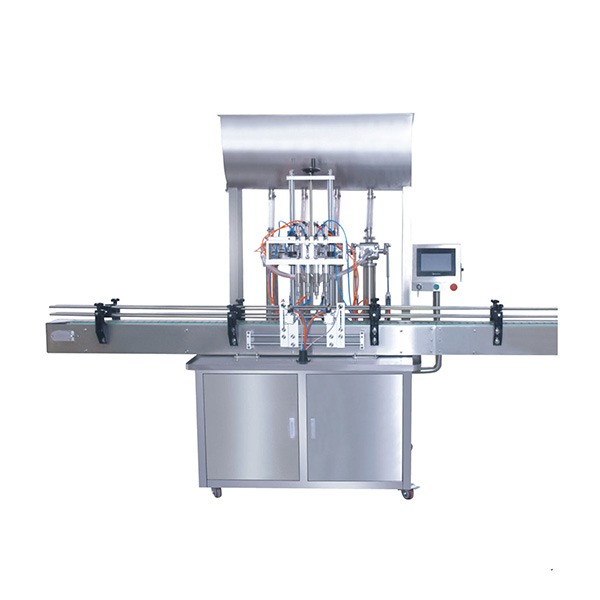
An automatic sauce filling machine takes your sauce from the batch tank into bottles, jars, tubs or pouches at a fixed volume, quickly and hygienically. For South African food producers making chutney, chilli sauce, braai sauce, atchar, mayonnaise, peanut butter or jam, it is usually the single biggest step up from filling by hand. This guide explains the types of sauce filling machines for sale in South Africa, the features that matter, what affects the price, and how to choose the right machine for your production line. What Is an Automatic Sauce Filling Machine? A sauce filling machine draws product from a hopper and dispenses a measured volume into each container. Because sauces are thick, sticky and often contain chunks or seeds, most sauce fillers use a piston to push an exact volume through the nozzle. An automatic machine adds a conveyor, bottle detection and multiple filling heads, so containers are filled continuously with minimal labour. Types of Sauce Filling Machines Semi-Automatic Piston Sauce Filler The operator places the container and presses a foot pedal or button; the piston fills an exact volume. Ideal for start-ups and small brands filling a few hundred to a few thousand units a day. See our piston filling machines. Automatic Multi-Head Sauce Filling Machine Two, four, six or more filling heads on a conveyor line fill several containers at once. Suited to growing brands supplying retailers and wholesalers. Sauce Sachet and Pouch Filling Machine For single-serve sauce sachets for take-aways and restaurants, a vertical form fill and seal machine forms, fills and seals the sachet in one step. Hot-Fill Sauce Filling Machine Some sauces are filled hot for shelf life. A hot-fill machine uses heat-resistant seals and can include a jacketed hopper to keep the product at temperature. Key Features to Look For Which Sauces and Products Can It Fill? Product Recommended filler Tomato sauce, chilli sauce, braai sauce, marinades Piston filler (semi or fully automatic) Mango atchar, chutney, relish with pieces Piston filler with large-bore valve and nozzle Mayonnaise, salad dressing, peanut butter Piston filler with hopper agitator Jam, honey, syrup Piston filler, heated hopper optional Thin sauces, vinegar, soy sauce Piston or gravity filling machine Single-serve sauce sachets Liquid form fill and seal machine Sauce Filling Machine Price in South Africa The sauce filling machine price depends on how automated you want to be. The main cost drivers are: A semi-automatic single-head piston filler is the most affordable way to start, and you can add heads and a conveyor as you grow. Contact us with your container size and target output for an exact quote, and ask about rent-to-own finance. Build a Complete Sauce Production Line SME Machinery supplies every stage of a sauce line, so the machines are matched to each other: See our sauce manufacturing machine page for the full line. How to Choose the Right Sauce Filling Machine Send us a sample of your sauce and we can test-fill it before you buy. Buying a Sauce Filling Machine in Gauteng SME Machinery is based in Germiston on the East Rand, so buyers across Gauteng can visit the factory to see a sauce filling machine running before they order. We deliver and install throughout South Africa, with local landing pages for Johannesburg, Pretoria and Centurion and the East Rand. See all our service areas. Frequently Asked Questions What machine is used to fill sauce bottles? Most sauce bottles are filled with a piston filling machine, because a piston pushes an exact volume of thick product through the nozzle. Thin sauces can also be filled with a gravity filler. How much does a sauce filling machine cost? It depends on the number of heads, fill range and level of automation. A semi-automatic single-head filler is the entry point; automatic multi-head lines cost more. Contact us for a quote on your setup. Can one machine fill different bottle sizes? Yes. You adjust the piston stroke for the fill volume and change the nozzle if needed, so one machine can fill several sizes. Can it fill atchar or sauces with pieces? Yes, with a large-bore valve and nozzle sized for the pieces in your product. Do you supply the cooking and mixing equipment too? Yes. We supply jacketed pots, mixers, fillers, cappers and labellers, so the whole line is supported by one local supplier. Get a Quote on a Sauce Filling Machine from SME Machinery SME Machinery designs and manufactures sauce filling machines to your specification at our factory in Germiston, and we deliver and install across Gauteng and South Africa. Tell us what you produce, your batch size and your daily output, and we will recommend the right machine and send you a quote.
Paddle Mixer for Sale – What You Need to Know
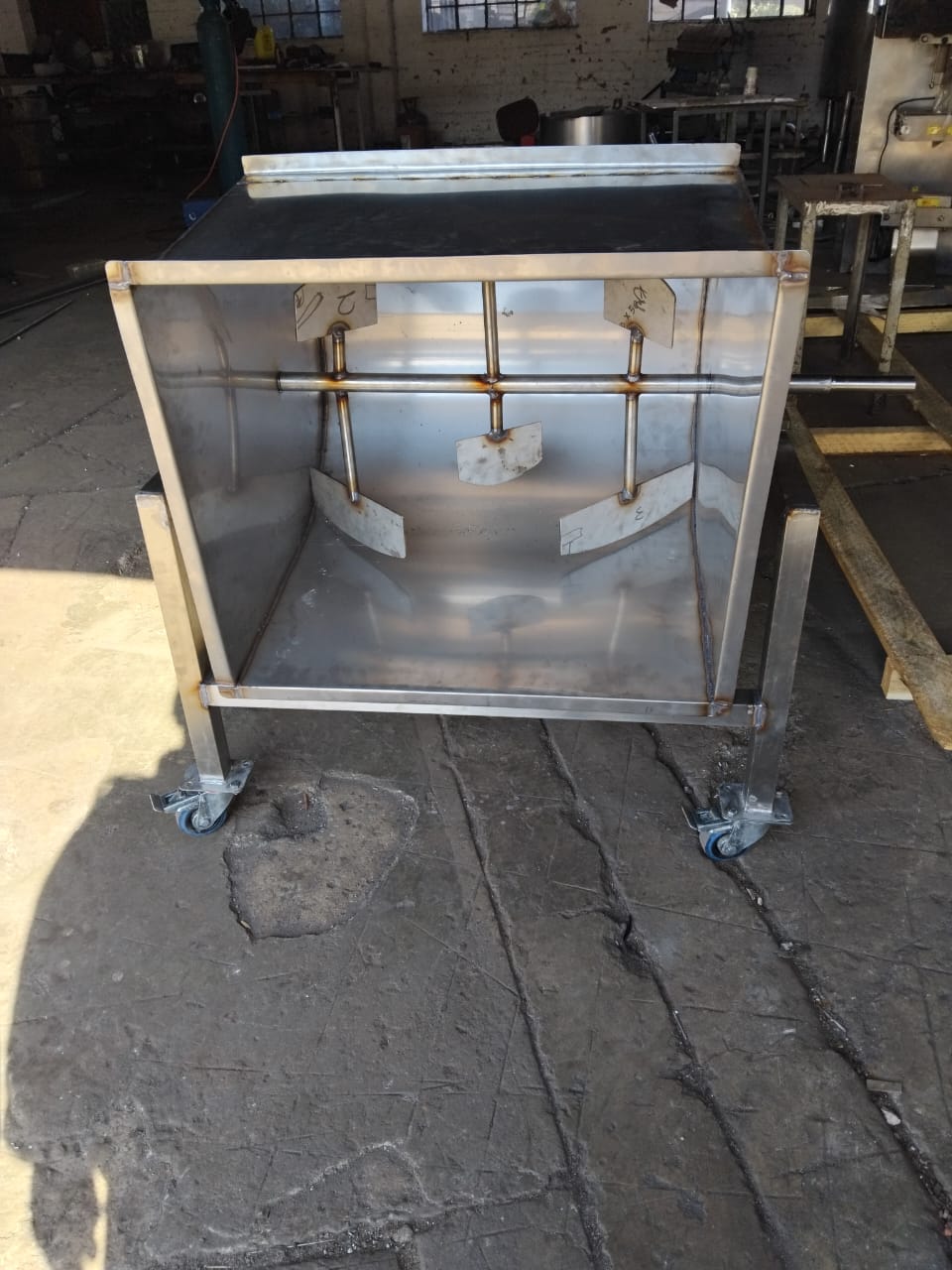
What Is a Paddle Mixer? A paddle mixer is a heavy-duty mixing tool or machine that uses flat, paddle-shaped blades to stir or blend thick materials. Unlike a high-speed drill mixer, a paddle mixer offers high torque at low speeds, making it ideal for dense substances that need strong, consistent force to mix properly. Why Choose a Paddle Mixer? Types of Paddle Mixers Important Features to Look For Common Uses for Paddle Mixers Pros and Drawbacks Pros: Drawbacks: How to Choose the Right One for Your Needs Buying Used or Second-Hand Paddle Mixer for Sale in South Africa: Specifications to Compare Two industrial paddle mixers for sale can look the same in a photo but perform very differently. Compare these points on every quote: Specification What to look for Working capacity Paddle mixers work well from about 30% to 80% full, so they handle small and large batches in the same machine. Motor and gearbox Wet, sticky or heavy products (mince, feed with molasses, mortar) need a strong geared motor with low RPM and high torque. Paddle design Angled paddles lift and fold the product gently. Single-shaft suits most jobs; twin-shaft gives a faster, more intensive mix. Steel grade 304 stainless steel for food and meat; 316 for salty or chemical products; mild steel for building and agricultural mixes. Discharge Bottom flap or slide gate discharge, or a tilting trough for sticky products that do not flow out easily. Cleaning access Removable or hinged lids, rounded corners and a drain point make wash-down quicker between batches. Paddle Mixer vs Ribbon Blender The most common question we get is whether to buy a paddle mixer or a ribbon blender. As a rule of thumb: For meat and boerewors lines, also read our meat mixer machine buying guide. See our full ribbon blender and paddle mixer machinery range. Paddle Mixer Price: What Affects the Cost? The paddle mixer price in South Africa depends on: Because we build to order, you only pay for the features your product needs. Contact us with your batch size for a quote, or spread the cost with rent-to-own finance. Where to Buy a Paddle Blender Near You SME Machinery manufactures paddle mixers and paddle blenders in Germiston on the East Rand. Customers in Johannesburg, Pretoria, the Vaal Triangle and the West Rand are welcome to visit the factory and see a machine running. We deliver and install nationwide. See our Gauteng service areas. Frequently Asked Questions What is a paddle mixer used for? Paddle mixers blend wet, heavy, sticky or fragile products evenly without crushing them, for example meat and sausage mince, animal feed, coated snacks, mortar and tile adhesive, fertiliser and food premixes. Is a paddle mixer better than a ribbon blender? Neither is better in general. A paddle mixer is gentler and copes with wet or sticky products, while a ribbon blender is faster for dry, free-flowing powders. Can a paddle mixer handle small batches? Yes. Paddle mixers mix well even when only about a third full, which makes them a good choice if your batch sizes vary. Do you sell used paddle mixers? We focus on new, made-to-order machines with local spare parts and support. Rent-to-own finance helps start-ups that would otherwise look at second-hand equipment. Can you build a paddle mixer to my size? Yes. Tell us your product, batch weight and daily output and we will size the trough, motor and discharge to suit. Get a Quote on a Paddle Mixer from SME Machinery SME Machinery designs and manufactures paddle mixers to your specification at our factory in Germiston, and we deliver and install across Gauteng and South Africa. Tell us what you produce, your batch size and your daily output, and we will recommend the right machine and send you a quote. Final Thoughts A paddle mixer for sale is a smart buy for anyone dealing with dense or thick materials. Whether for construction, heavy-duty mixing tasks, industrial applications, or DIY production, a well-chosen paddle mixer makes your work faster, more accurate, and less labor-intensive. When buying, focus on motor power, build quality, paddle design, and how you plan to use or maintain the mixer. Choosing wisely will give you a tool that boosts efficiency while standing up to the demands of regular, heavy use.