
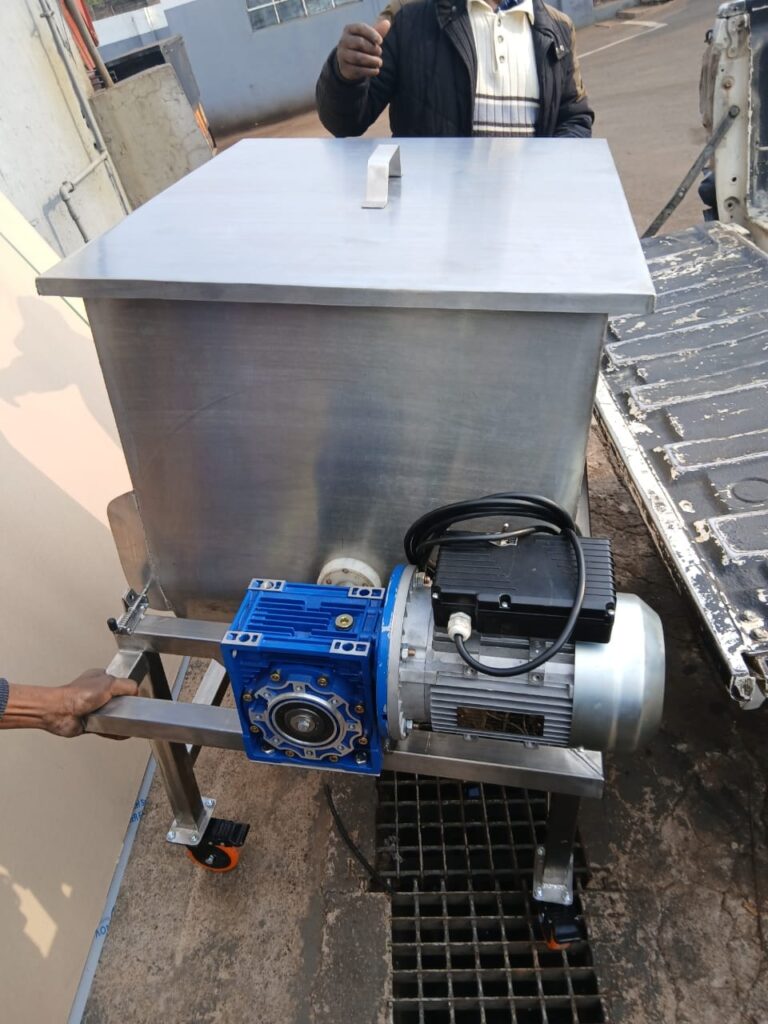
Across South Africa, butcheries, boerewors and biltong producers, and small meat-processing businesses are increasingly turning to commercial meat mixer machines to keep up with demand. A meat mixer blends minced meat, fat, spices, brine and other ingredients evenly and quickly — something that becomes difficult to do by hand once batch sizes grow beyond a few kilograms.
Whether you’re running a neighbourhood butchery, scaling up a boerewors brand, or supplying restaurants and retailers, the right meat mixer can improve consistency, cut labour time, and help your product meet food safety standards.
What Is a Meat Mixer Machine?
A meat mixer machine is a commercial food processing machine used to blend minced or diced meat with spices, seasoning, fat, brine, and other ingredients until the mixture is evenly distributed throughout the batch.
Instead of mixing by hand — which is slow, inconsistent, and tiring at any real volume — a mechanical mixer uses rotating paddles or ribbon blades to fold the ingredients together gently but thoroughly, batch after batch.
Why Use a Meat Mixer Machine?
Once you’re processing more than a few kilograms of meat a day, manual mixing starts to cost you time, consistency, and product quality. A dedicated mixer offers several advantages:
- Faster production times
- Even distribution of spices, fat and brine
- Consistent texture from batch to batch
- Reduced labour costs
- Improved food hygiene compared to hand-mixing
- Higher batch capacity without extra staff
These gains matter most for businesses producing boerewors, sausages, burger patties, or marinated cuts at any real scale.
How a Meat Mixer Machine Works
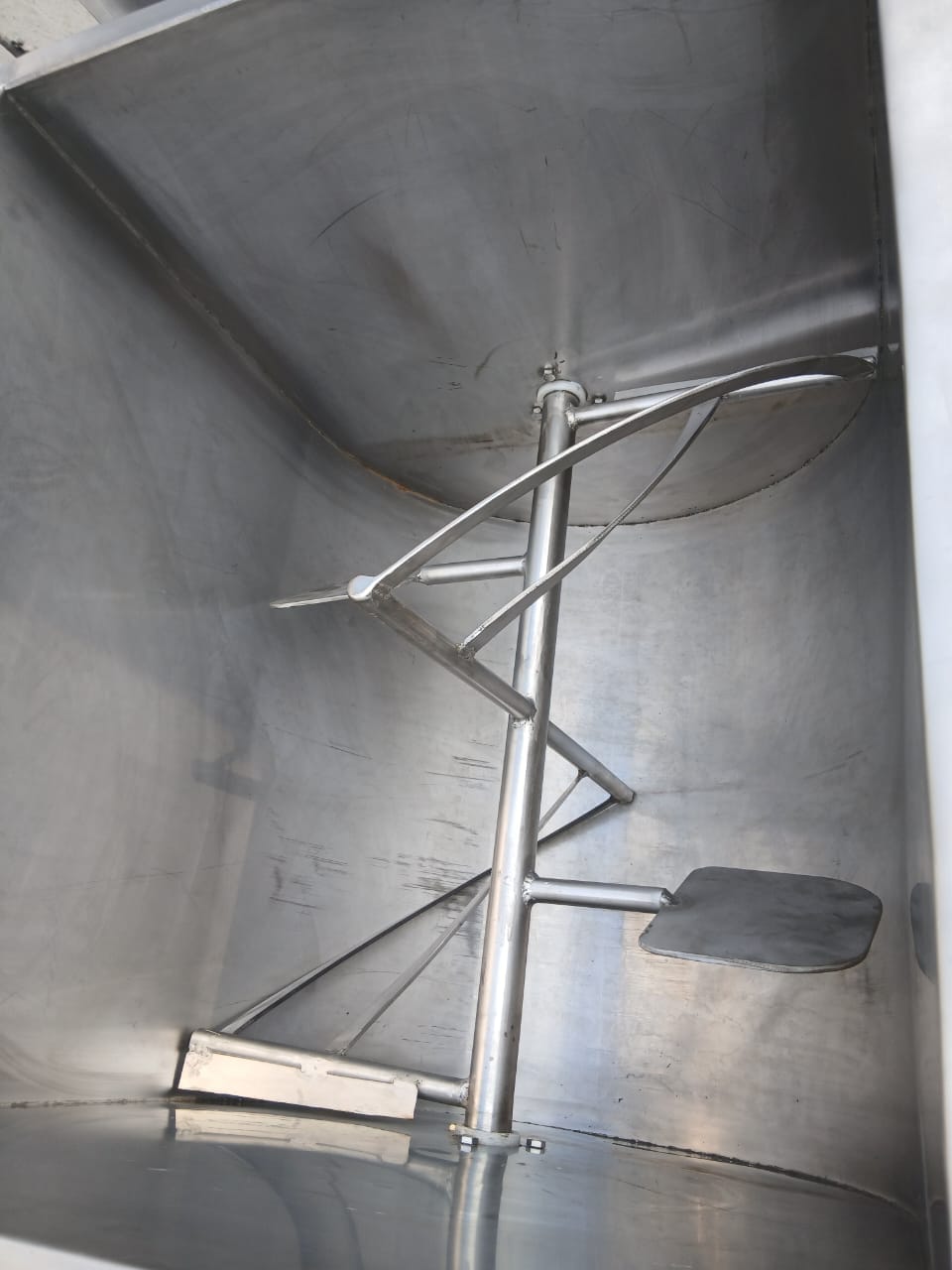
Most commercial meat mixers use rotating paddles or ribbon-style blades that fold the meat over itself, rather than blades that cut or shear it. The mixing action is designed to:
- Distribute spices and seasoning evenly
- Work brine or liquid ingredients through the batch without over-processing the meat
- Keep the meat’s texture intact rather than turning it to paste
- Reduce ingredient waste from uneven mixing
The result is a uniform mix, ready for stuffing, forming, or further processing, with far less variation between batches than hand-mixing allows.
Industries That Use Meat Mixers
Butcheries and Delis
Independent butcheries use meat mixers to prepare mince, marinated cuts, and in-house sausage or boerewors ranges with consistent seasoning.
Boerewors and Sausage Manufacturers
Producers scaling up a boerewors or sausage brand rely on mixers to keep spice blends consistent across large production runs, batch after batch.
Biltong and Droëwors Producers
Biltong and droëwors makers use mixers to work vinegar, spice and curing ingredients evenly through meat before it goes into drying rooms.
Restaurants and Catering Groups
Larger kitchens and catering operations use mixers to prepare burger patties, meatballs and marinated proteins in bulk ahead of service.
Types of Meat Mixers
Ribbon Mixers
Ribbon mixers use twin helical blades to fold ingredients together, giving a thorough, even blend for mince, spice blends and marinades.
Paddle Mixers
Paddle mixers use a gentler mixing action, which suits products where you want to keep larger pieces of meat intact rather than fully breaking them down.
Tilting Mixers
A tilting drum or bowl simplifies loading and discharge, which speeds up turnaround between batches on a busy production day.
Features to Look For
When comparing meat mixers, a few features make the biggest difference to hygiene, durability and day-to-day running costs:
Food-Grade Stainless Steel Construction
Stainless steel (304 or 316) resists corrosion from salt, brine and acidic marinades, and meets food-hygiene expectations.
Easy-Cleaning Design
Smooth internal surfaces and accessible mixing chambers cut down on cleaning time between batches and reduce contamination risk.
Reliable Gear Motor
A heavy-duty motor keeps the mixer running through thick, dense batches without straining or overheating.
Safety Interlocks
Interlocked lids and guards protect operators while still allowing quick access for loading, unloading and cleaning.
Choosing the Right Capacity
The right size depends on how much meat you’re processing per batch and per day.
Small Butcheries
Smaller units suit butcheries and delis producing modest daily volumes of mince, marinades and in-house sausage.
Growing Producers
Mid-sized mixers fit boerewors and sausage businesses scaling up beyond a single retail counter into wholesale supply.
Large Commercial Operations
Larger capacity machines suit manufacturers supplying supermarkets, distributors and multiple retail outlets.
Factors That Affect Machine Prices
Several factors influence what a meat mixer costs:
- Mixing capacity and bowl size
- Stainless steel grade (304 vs 316)
- Motor power
- Ribbon vs paddle mixing action
- Manual, semi-automatic or tilting discharge
- Build quality and included safety features
A well-built machine typically costs more upfront but pays that back through lower maintenance, longer service life, and fewer production stoppages.
New vs Used Meat Mixers
It’s worth searching for used or second-hand meat mixers before you buy, just to understand pricing in the market — but weigh that against the risks: unknown wear on bearings and seals, no warranty, and hygiene history you can’t verify on food-contact equipment. A new machine built to your specification comes with a warranty, known material grade, and support if something needs attention down the line.
Frequently Asked Questions
Q: How much does a meat mixer cost in South Africa?
Pricing depends mainly on capacity, stainless steel grade and discharge mechanism (manual tip vs powered tilting). Rather than quote a generic list price, tell us your daily volume and we’ll size and price a machine against your actual production.
Q: Can a meat mixer also mince the meat?
No — a meat mixer blends already-minced or diced meat with spices, fat and brine. Mincing is a separate step done on a meat mincer beforehand, often run as a connected station just before the mixer.
Q: How do I clean a meat mixer between batches?
Stainless steel mixers with smooth internal surfaces and an accessible bowl are built for quick rinse-and-wipe cleaning between batches of the same product, with a full wash-down when changing recipes or at the end of the day. Avoid abrasive tools that can scratch the surface.
Q: What size meat mixer do I need for a small butchery?
Most independent butcheries do well with a smaller-capacity paddle or ribbon mixer sized around their typical daily volume, with room to run a second batch if demand spikes — it’s usually better to slightly undersize and run two batches than buy a large unit you rarely fill.
Meat Mixer Specifications to Compare
| Specification | Why it matters |
|---|---|
| Capacity (kg per batch) | Size on your biggest batch of mince, not the average. |
| Paddle or ribbon agitator | Paddles are gentler on mince texture; ribbons mix seasoning faster. See paddle mixers and ribbon blenders. |
| Motor and gearbox | Cold, heavy mince needs high torque at low speed. |
| Tilting or bottom discharge | Tilting troughs empty sticky mince more easily. |
| 304 stainless steel | Food-safe, rust-free and easy to sanitise. |
| Safety interlock | Stops the paddles when the lid is opened. |
Electric vs Manual Meat Mixer
A manual meat mixer with a hand crank suits very small batches at home or in a small deli. Any butchery making boerewors, sausage or burger patties every day will save time and labour with an electric meat mixer, which mixes larger batches evenly in minutes.
Meat Mixers for Boerewors and Sausage
Boerewors needs coriander and spices spread evenly through the mince without overworking the meat. A meat mixer gives every batch the same taste and texture. Read our guide to the ribbon blender for wors, and see our mixer range.
Meat Mixers in Gauteng
SME Machinery builds meat mixers in Germiston on the East Rand. Butcheries in Johannesburg, Pretoria and across Gauteng can visit the factory to see a mixer running. We deliver nationwide. See our service areas.
More Questions About Meat Mixers
What size meat mixer does a small butchery need?
Most small butcheries start with a mixer that holds about 20–50kg per batch. Size it on your largest boerewors or sausage batch.
Is a paddle or ribbon mixer better for meat?
Paddle mixers are gentler and keep the mince texture; ribbon mixers spread dry seasoning faster. Many butcheries choose a paddle mixer.
Can I use the same mixer for biltong spice and mince?
Yes, with thorough cleaning between products.
Get a Quote on a Meat Mixer from SME Machinery
SME Machinery designs and manufactures meat mixers to your specification at our factory in Germiston, and we deliver and install across Gauteng and South Africa. Tell us what you produce, your batch size and your daily output, and we will recommend the right machine and send you a quote.
- Call or WhatsApp: 073 646 5211
- Email: info@smemachinery.co.za
- Visit: 8 Moller Street, Factory C2, Germiston South (Mon–Sat, 7am–5pm)
- Need to spread the cost? See our rent-to-own and finance options.
Conclusion
A commercial meat mixer is a straightforward investment for any butchery, boerewors brand, biltong producer or catering business that has outgrown hand-mixing. It improves consistency, speeds up production, and keeps labour costs down as volumes grow.
Ready to size a meat mixer for your line?
SME Machinery’s ribbon and paddle mixers are built in Germiston in food-grade stainless steel, with finance options and local after-sales support.