
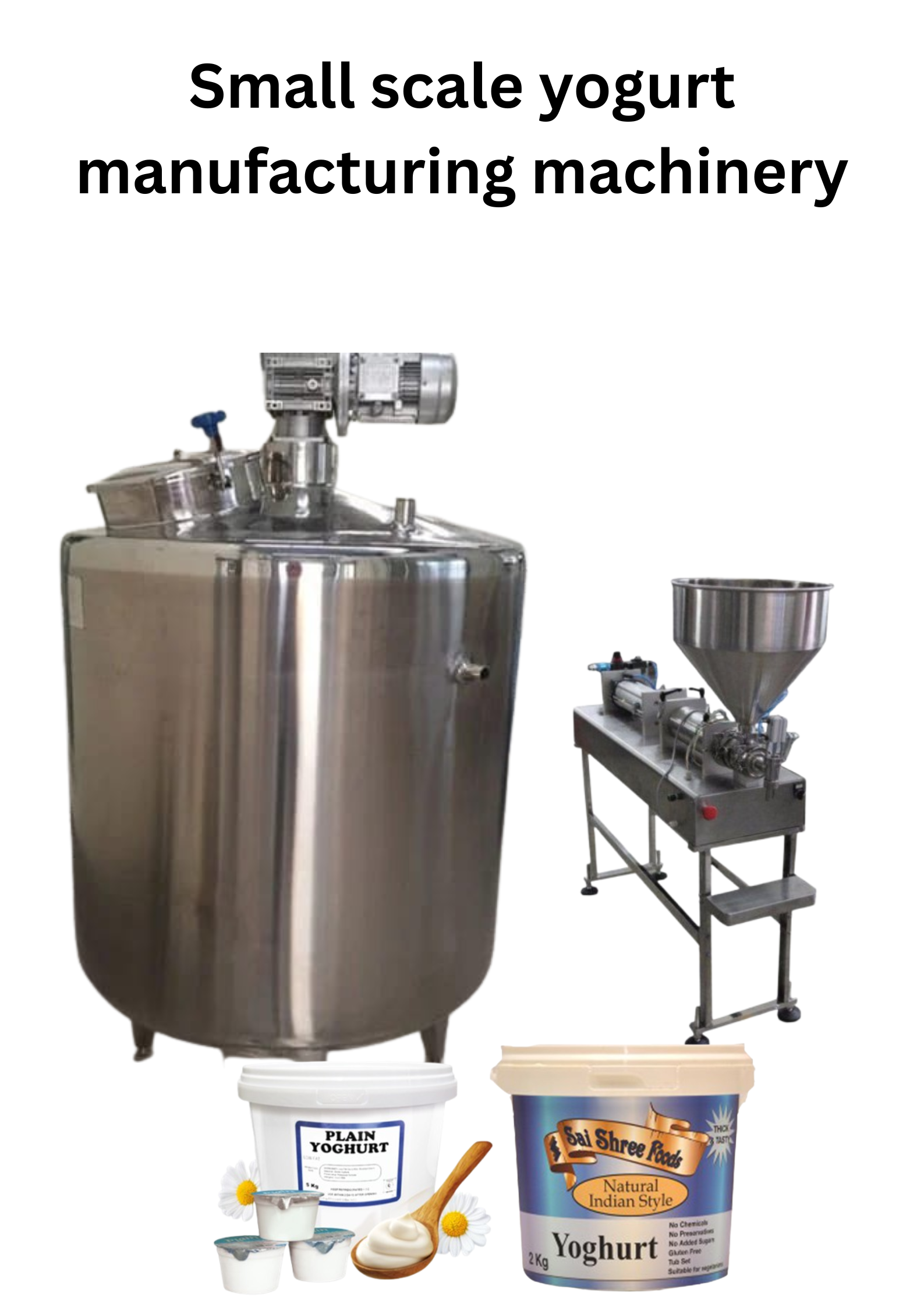
The yogurt industry continues to expand as consumers increasingly demand healthy, protein-rich, and probiotic dairy products. To meet this growing demand, businesses rely on commercial yogurt manufacturing machines that provide efficient, hygienic, and consistent yogurt production. From flavored yogurt and drinking yogurt to Greek yogurt and probiotic dairy products, commercial yogurt processing equipment allows manufacturers to produce high-quality products at a profitable scale. Whether you are starting a yogurt business, expanding a dairy factory, or upgrading your processing line, investing in the right commercial yogurt manufacturing machine is essential for success. What Is a Commercial Yogurt Manufacturing Machine? A commercial yogurt manufacturing machine is a dairy processing system designed to produce yogurt efficiently in medium to large production environments. These systems typically handle: Commercial yogurt equipment is commonly used by: Main Components of a Commercial Yogurt Production System 1. Milk Storage Tank Milk storage tanks keep raw milk fresh before production begins. Key features: Proper storage improves yogurt quality and food safety. 2. Pasteurization Machine Pasteurization heats milk to eliminate harmful bacteria before fermentation. Benefits include: Pasteurization is one of the most important steps in yogurt manufacturing. 3. Homogenizer Machine Homogenizers break down fat particles to create smooth and creamy yogurt textures. Advantages: 4. Fermentation Tank Fermentation tanks maintain controlled temperatures that allow bacterial cultures to convert milk into yogurt. Features often include: Fermentation quality directly impacts flavor and texture. 5. Mixing & Blending Equipment Commercial mixers combine yogurt with: Efficient mixing ensures consistent flavor distribution. 6. Cooling System After fermentation, yogurt must be cooled rapidly to maintain quality and stop bacterial activity. Cooling systems help: 7. Yogurt Filling Machine Automatic filling machines package yogurt into: Benefits include: Types of Yogurt Produced with Commercial Machines Commercial yogurt manufacturing systems can produce various yogurt products, including: Yogurt Type Description Set Yogurt Traditional thick yogurt Stirred Yogurt Smooth blended yogurt Greek Yogurt High-protein strained yogurt Drinking Yogurt Liquid yogurt beverages Flavored Yogurt Fruit-infused yogurt Probiotic Yogurt Health-focused cultured yogurt Frozen Yogurt Dessert-style yogurt Benefits of Commercial Yogurt Manufacturing Machines Increased Production Efficiency Automated systems reduce production time and improve output capacity. Consistent Product Quality Machines help maintain: Better Food Safety Commercial yogurt machines use food-grade stainless steel systems designed for hygienic production. Lower Labor Costs Automation reduces manual work and improves operational efficiency. Scalable Production Businesses can increase production capacity as demand grows. Industries That Use Commercial Yogurt Manufacturing Equipment Commercial yogurt machines are widely used in: Key Features to Look for in a Commercial Yogurt Manufacturing Machine Stainless Steel Construction Improves hygiene, durability, and cleaning efficiency. Automated Control System Allows accurate temperature and production control. Energy Efficiency Reduces long-term operating costs. CIP Cleaning System Clean-In-Place systems simplify sanitation procedures. Flexible Production Capacity Supports multiple yogurt products and production volumes. Commercial vs Industrial Yogurt Manufacturing Machines Commercial Machines Industrial Machines Medium-scale production Large-scale factory production Lower investment cost Higher capital investment Flexible operation Continuous high-volume production Suitable for growing businesses Ideal for major manufacturers Easier installation Complex factory setup Choosing the right system depends on your business size and production goals. How to Choose the Right Commercial Yogurt Machine Before purchasing yogurt manufacturing equipment, consider: Production Capacity Estimate your daily output requirements. Product Variety Choose equipment that supports multiple yogurt styles. Budget Balance investment cost with expected production growth. Factory Space Ensure your facility can accommodate the production line. Supplier Support Work with suppliers that offer installation, training, and maintenance support. Future Trends in Commercial Yogurt Production The yogurt industry is evolving rapidly with trends such as: Commercial yogurt manufacturing machines continue improving to meet these demands. Final Thoughts A commercial yogurt manufacturing machine is one of the most important investments for businesses entering or expanding within the dairy industry. Modern yogurt production equipment offers: Whether you are producing Greek yogurt, flavored yogurt, drinking yogurt, or probiotic dairy products, the right commercial yogurt manufacturing system can help your business grow efficiently while meeting increasing consumer demand.
Industrial Yogurt Manufacturing Machines: Powering Modern Dairy Production
The global yogurt industry continues to grow rapidly as consumers demand healthier, protein-rich, and probiotic food products. To meet large-scale production demands, manufacturers rely on industrial yogurt manufacturing machines that deliver speed, consistency, hygiene, and efficiency. From drinking yogurt and Greek yogurt to flavored dairy products and probiotic blends, industrial yogurt production equipment helps businesses produce high volumes while maintaining strict food safety standards. Whether you are launching a dairy factory or upgrading an existing production line, understanding the right yogurt manufacturing equipment is essential for long-term success. What Are Industrial Yogurt Manufacturing Machines? Industrial yogurt manufacturing machines are specialized dairy processing systems designed to automate and streamline yogurt production on a commercial scale. These machines handle multiple production stages, including: Industrial systems are built for: They are commonly used by: Main Components of an Industrial Yogurt Production Line 1. Milk Storage Tanks Milk storage tanks safely store raw milk before processing begins. Key features include: Proper storage helps maintain milk freshness and quality. 2. Pasteurization System Pasteurization is one of the most important stages in yogurt production. Industrial pasteurizers: Modern systems provide precise temperature control for consistent results. 3. Homogenizer Machine Homogenizers improve yogurt texture and consistency by reducing fat particle size. Benefits include: Homogenization is especially important for premium yogurt products. 4. Yogurt Fermentation Tanks Fermentation tanks create controlled conditions for bacterial cultures to develop yogurt. These tanks offer: Fermentation quality directly affects flavor, texture, and probiotic content. 5. Mixing & Blending Machines Industrial mixers help combine: Consistent mixing ensures product uniformity across every batch. 6. Cooling Systems After fermentation, yogurt must be cooled quickly to stabilize texture and stop bacterial activity. Industrial cooling systems help: 7. Yogurt Filling & Packaging Machines Automatic filling systems package yogurt into: Benefits include: Types of Yogurt Produced Using Industrial Machines Industrial yogurt manufacturing equipment can produce many yogurt varieties, including: Yogurt Type Description Set Yogurt Traditional firm yogurt Stirred Yogurt Smooth mixed yogurt Greek Yogurt Thick, high-protein yogurt Drinking Yogurt Liquid yogurt beverages Flavored Yogurt Fruit and sweetened yogurt Probiotic Yogurt Health-focused cultured yogurt Frozen Yogurt Dessert-style yogurt products Benefits of Industrial Yogurt Manufacturing Machines High Production Capacity Industrial systems can process thousands of liters daily, making them ideal for large-scale supply. Consistent Product Quality Automation improves: Improved Food Safety Food-grade stainless steel systems help maintain hygienic production standards. This reduces: Lower Labor Costs Automated systems reduce manual labor requirements and improve operational efficiency. Scalability Manufacturers can expand production as demand grows by adding additional equipment modules. Industries That Use Industrial Yogurt Manufacturing Equipment Industrial yogurt machines are widely used in: Key Features to Look for in Industrial Yogurt Machines Stainless Steel Construction Ensures durability and hygiene. Automated Controls Improves efficiency and reduces human error. Energy Efficiency Helps lower production costs. Easy Cleaning Systems CIP (Clean-In-Place) systems simplify sanitation. Production Flexibility Allows manufacturers to produce multiple yogurt varieties. Industrial vs Small-Scale Yogurt Manufacturing Industrial Machines Small-Scale Machines High-volume production Lower production output Automated systems Semi-automatic operation Higher investment Lower startup cost Ideal for factories Ideal for startups Advanced processing Basic production features Choosing the right system depends on your production goals and market size. How to Choose the Right Industrial Yogurt Manufacturing Machine Before purchasing equipment, consider: Production Capacity Estimate daily or monthly production needs. Product Range Determine what yogurt types you plan to manufacture. Factory Space Ensure enough room for the full production line. Budget Balance production requirements with investment costs. Technical Support Choose suppliers that offer installation, training, and maintenance support. Future Trends in Yogurt Manufacturing The yogurt industry continues evolving with trends such as: Industrial yogurt manufacturing machines are adapting to support these growing markets. Final Thoughts Industrial yogurt manufacturing machines are essential for businesses aiming to produce high-quality yogurt products efficiently and at scale. With advanced automation, hygienic processing, and high production capacity, modern yogurt production systems help manufacturers meet growing consumer demand while maintaining consistent product quality. Whether producing Greek yogurt, drinking yogurt, probiotic products, or flavored dairy lines, investing in the right industrial yogurt manufacturing equipment can significantly improve productivity, profitability, and long-term business growth.
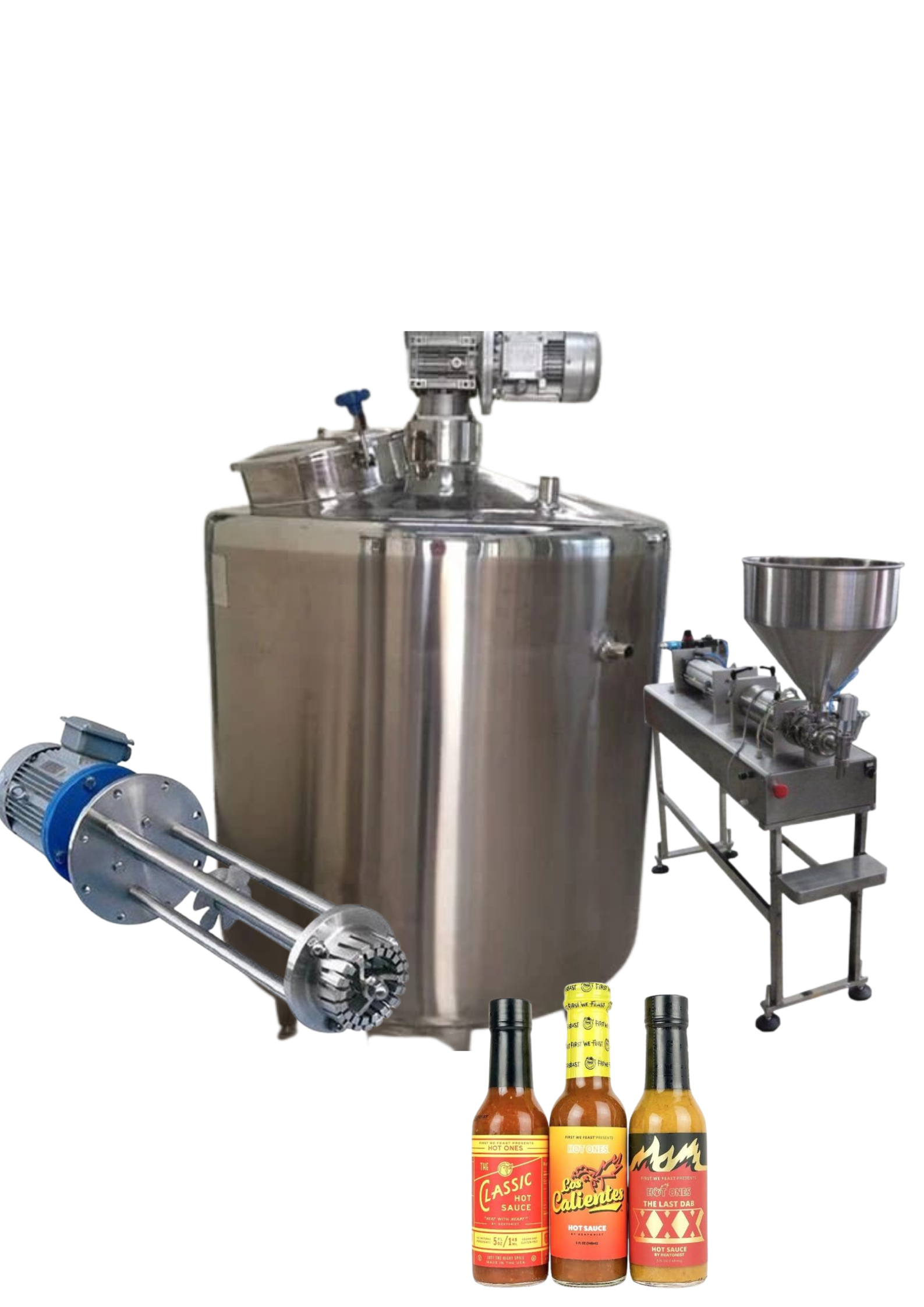
Start A Small Sauce Business: Everything You Need to Know
The sauce industry is one of the fastest-growing sectors in food manufacturing. Consumers are constantly searching for new flavours, premium ingredients, and locally made products — creating massive opportunities for entrepreneurs who want to start a small sauce business. From chilli sauces and BBQ marinades to creamy dressings and cooking sauces, small-scale sauce manufacturing can become a highly profitable venture with the right strategy, branding, and equipment. Whether you want to supply restaurants, supermarkets, online customers, or export markets, this guide explains everything you need to know to launch and grow a successful sauce business. Why Start A Small Sauce Business? Starting a sauce business has several advantages compared to many other food businesses. Low Startup Barrier You can begin with small-scale equipment and expand gradually as demand increases. High Product Demand Sauces are used daily in: Endless Product Possibilities You can create: Strong Branding Potential A unique flavour and strong packaging can quickly help your brand stand out in the market. Step 1: Choose Your Sauce Niche Before buying equipment or designing labels, decide what type of sauce you want to produce. Popular Sauce Niches Hot Sauces Fast-growing and highly profitable due to strong customer loyalty. BBQ & Grill Sauces Popular with restaurants, braai businesses, and supermarkets. Cooking Sauces Used in homes for convenience meals. Gourmet & Premium Sauces Higher profit margins with artisan branding. Health-Focused Sauces Organic, sugar-free, vegan, and preservative-free products are growing rapidly. Choosing a clear niche helps with: Step 2: Develop Your Recipe Your recipe is the foundation of your business. Focus on: You may: Product testing is critical before commercial production begins. Step 3: Buy the Right Sauce Manufacturing Equipment Reliable equipment improves quality, production speed, and consistency. Essential Equipment for Small Sauce Production Sauce Mixing Machine Used for: Ideal for: Steam Jacketed Kettle Helps cook sauces evenly without burning. Important for: Filling Machine Used for packaging sauces into: Benefits include: Labeling Machine Improves product presentation and retail readiness. Professional packaging increases customer trust. Step 4: Understand Food Safety & Compliance Food manufacturing requires proper hygiene and compliance procedures. Depending on your location, you may need: Food safety should always be a top priority. Step 5: Create Strong Branding Many customers buy sauces based on packaging and branding before tasting the product. Your brand should include: Good branding helps your sauce stand out on shelves and online. Step 6: Choose Your Packaging Packaging affects: Common Packaging Options Packaging Type Best For Glass Bottles Premium sauces Plastic Bottles Cost-effective retail Sachets Fast food & takeaway Buckets Bulk supply Pouches Modern retail packaging Choose packaging that fits your market and budget. Step 7: Start Small Batch Production Small batch sauce production allows you to: This approach is ideal for startups entering competitive food markets. Step 8: Sell Your Sauce Once production begins, focus on distribution and sales channels. Where to Sell Retail Stores Approach local supermarkets and specialty food stores. Restaurants & Takeaways Offer bulk supply or private label opportunities. Online Stores Sell through: Farmers Markets & Events Great for building brand awareness and getting direct customer feedback. Step 9: Market Your Sauce Brand Marketing is essential for business growth. Effective Marketing Strategies Social Media Marketing Post: Influencer Collaborations Partner with food creators and chefs. Sampling Campaigns Allow customers to taste products before purchasing. SEO & Website Content Use blogs and product pages to rank on search engines. Step 10: Scale Your Sauce Business As demand increases, you can: Many large food brands started with small-scale sauce manufacturing. Common Mistakes to Avoid Poor Packaging Weak branding can hurt sales even if the sauce tastes great. Inconsistent Recipes Customers expect the same flavour every time. Ignoring Food Safety Compliance failures can damage your reputation. Scaling Too Fast Grow steadily to maintain quality and cash flow. Final Thoughts Starting a small sauce business is one of the most exciting opportunities in food manufacturing today. With: …you can build a profitable sauce brand from small batch production into a large-scale commercial operation. Whether you want to sell hot sauces, marinades, cooking sauces, or gourmet condiments, the market continues to grow — especially for unique, flavour-rich products with strong branding and authentic taste.
Small Batch Sauce Production: The Future of Specialty Sauces
The food industry is rapidly shifting toward premium, locally made, and flavour-focused products — and small batch sauce production is leading the movement. From peri-peri sauces and chilli oils to gourmet marinades, mayonnaise, tomato sauces, and cooking pastes, consumers now prefer quality, authenticity, and unique flavours over mass-produced alternatives. For entrepreneurs, restaurants, food startups, and commercial kitchens, small batch sauce manufacturing offers a cost-effective way to enter the food production market without investing in a massive factory setup. In this guide, we rank the biggest advantages of small batch sauce production and explain the equipment needed to run a successful operation. Ranking the Top Benefits of Small Batch Sauce Production 1. Better Product Quality One of the biggest reasons businesses choose small batch sauce production is quality control. Smaller batches allow manufacturers to: Unlike large industrial operations that prioritize volume, small batch producers can focus on taste, texture, and freshness. This is especially important for: 2. Lower Startup Costs Starting a small sauce manufacturing business is significantly more affordable than building a full-scale industrial plant. A small-scale setup typically requires: This makes it ideal for: Instead of spending millions on large industrial systems, businesses can start small and scale as demand increases. 3. Easier Product Testing & Innovation Small batch sauce production allows businesses to experiment quickly. Manufacturers can test: This flexibility helps brands adapt to customer preferences faster than large factories. For example: Innovation becomes cheaper and less risky. 4. Faster Production Turnaround With smaller production volumes, turnaround times are often much faster. Businesses can: This is important for: Freshness and speed are major competitive advantages in today’s food market. 5. Ideal for Growing Brands Many successful sauce brands started with small batch manufacturing before scaling into industrial production. A modular production setup allows businesses to: This growth model reduces financial pressure while building a loyal customer base. Best Equipment for Small Batch Sauce Production 1. Sauce Mixing Machine A sauce mixing machine ensures smooth, even blending of ingredients. It is commonly used for: Key benefits: 2. Steam Jacketed Kettle A steam jacketed kettle heats sauces evenly while preventing burning. Ideal for: These systems are essential for food safety and consistent texture. 3. Filling & Packaging Machines Once the sauce is prepared, filling machines help package products efficiently. They improve: Packaging options include: 4. Industrial Blenders & Homogenizers For smoother products, homogenizers and industrial blenders improve texture and stability. They are commonly used for: Industries Using Small Batch Sauce Manufacturing Small batch production is used across many sectors, including: Industry Common Products Restaurants Signature sauces Retail Brands Gourmet condiments Catering Companies Bulk sauces Food Startups New product launches Agricultural Processors Chilli & tomato sauces Export Businesses Private label products Small Batch vs Industrial Sauce Manufacturing Small Batch Production Industrial Production Lower startup cost High capital investment Flexible recipes Standardized products Faster experimentation Slower product changes Ideal for startups Ideal for mass supply Easier quality control Higher production capacity Both models are valuable — the right choice depends on business goals, market demand, and production scale. Tips for Starting a Small Sauce Manufacturing Business Start With One Strong Product Focus on one standout sauce before expanding your range. Invest in Reliable Equipment Good machinery improves product consistency and reduces downtime. Prioritize Food Safety Ensure compliance with food manufacturing regulations and hygiene standards. Build Strong Branding Packaging and branding play a major role in sauce sales. Test Your Market Sell at: Final Thoughts Small batch sauce production is becoming one of the fastest-growing opportunities in the food manufacturing industry. Consumers want: With the right sauce manufacturing equipment and a strong product concept, entrepreneurs can build profitable brands while starting on a manageable scale. Whether you’re producing hot sauce, marinades, cooking sauces, or gourmet condiments, small-scale production offers flexibility, lower risk, and excellent growth potential.