
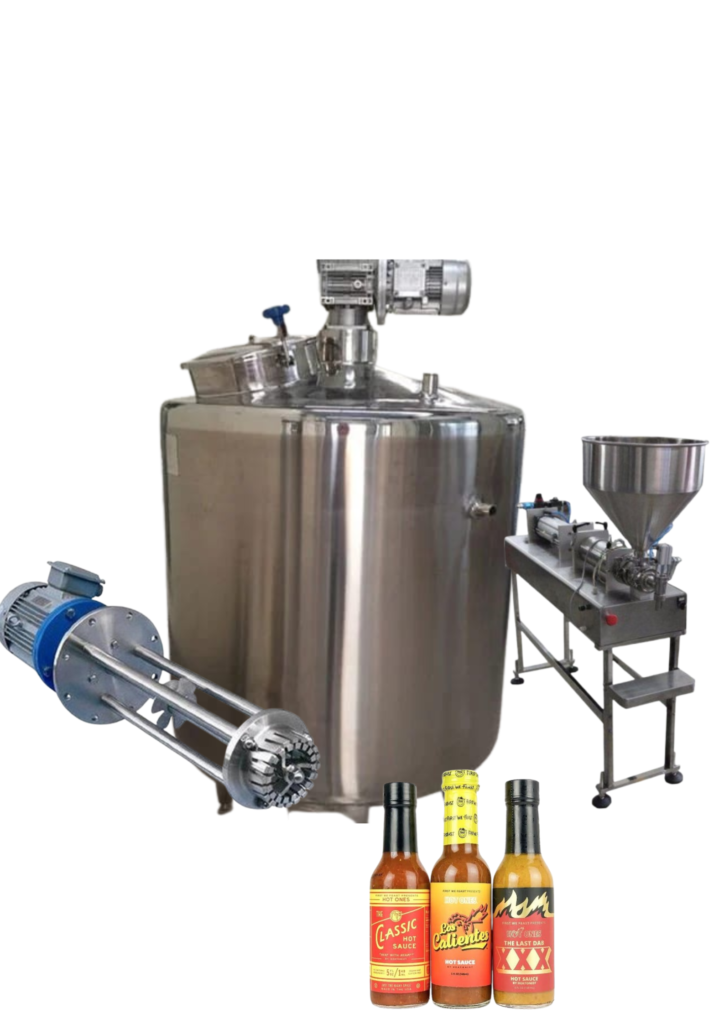
The food industry is rapidly shifting toward premium, locally made, and flavour-focused products — and small batch sauce production is leading the movement.
From peri-peri sauces and chilli oils to gourmet marinades, mayonnaise, tomato sauces, and cooking pastes, consumers now prefer quality, authenticity, and unique flavours over mass-produced alternatives.
For entrepreneurs, restaurants, food startups, and commercial kitchens, small batch sauce manufacturing offers a cost-effective way to enter the food production market without investing in a massive factory setup.
In this guide, we rank the biggest advantages of small batch sauce production and explain the equipment needed to run a successful operation.
Ranking the Top Benefits of Small Batch Sauce Production
1. Better Product Quality
One of the biggest reasons businesses choose small batch sauce production is quality control.
Smaller batches allow manufacturers to:
- Monitor flavour consistency
- Use fresher ingredients
- Reduce contamination risks
- Adjust recipes quickly
- Maintain premium standards
Unlike large industrial operations that prioritize volume, small batch producers can focus on taste, texture, and freshness.
This is especially important for:
- Hot sauces
- Gourmet sauces
- Organic sauces
- Vegan products
- Specialty condiments
- Artisan food brands
2. Lower Startup Costs
Starting a small sauce manufacturing business is significantly more affordable than building a full-scale industrial plant.
A small-scale setup typically requires:
- Sauce mixing machine
- Heating kettle
- Filling machine
- Storage containers
- Packaging equipment
This makes it ideal for:
- Startups
- Restaurants
- Home-grown brands
- Food entrepreneurs
- Catering businesses
- Community co-operatives
Instead of spending millions on large industrial systems, businesses can start small and scale as demand increases.
3. Easier Product Testing & Innovation
Small batch sauce production allows businesses to experiment quickly.
Manufacturers can test:
- New flavours
- Spice levels
- Ingredients
- Packaging styles
- Seasonal products
- Limited editions
This flexibility helps brands adapt to customer preferences faster than large factories.
For example:
- A chilli sauce company can release a new flavour monthly
- A restaurant can bottle its signature sauce
- A food startup can test products before mass production
Innovation becomes cheaper and less risky.
4. Faster Production Turnaround
With smaller production volumes, turnaround times are often much faster.
Businesses can:
- Produce on demand
- Reduce storage costs
- Maintain fresher stock
- Respond to customer orders quickly
This is important for:
- Farmers markets
- Retail supply
- Online orders
- Restaurant supply chains
- Export preparation
Freshness and speed are major competitive advantages in today’s food market.
5. Ideal for Growing Brands
Many successful sauce brands started with small batch manufacturing before scaling into industrial production.
A modular production setup allows businesses to:
- Start with compact equipment
- Increase output gradually
- Upgrade machinery over time
- Expand product ranges
This growth model reduces financial pressure while building a loyal customer base.
Best Equipment for Small Batch Sauce Production
1. Sauce Mixing Machine
A sauce mixing machine ensures smooth, even blending of ingredients.
It is commonly used for:
- Tomato sauce
- Chilli sauce
- BBQ sauce
- Marinades
- Gravies
- Mayonnaise
Key benefits:
- Consistent mixing
- Reduced labour
- Faster production
- Improved product quality
2. Steam Jacketed Kettle
A steam jacketed kettle heats sauces evenly while preventing burning.
Ideal for:
- Cooking sauces
- Pasteurization
- Thick products
- High-volume mixing
These systems are essential for food safety and consistent texture.
3. Filling & Packaging Machines
Once the sauce is prepared, filling machines help package products efficiently.
They improve:
- Production speed
- Hygiene
- Bottle consistency
- Shelf presentation
Packaging options include:
- Glass bottles
- Plastic bottles
- Sachets
- Buckets
- Pouches
4. Industrial Blenders & Homogenizers
For smoother products, homogenizers and industrial blenders improve texture and stability.
They are commonly used for:
- Creamy sauces
- Salad dressings
- Mayonnaise
- Cheese sauces
- Dairy-based products
Industries Using Small Batch Sauce Manufacturing
Small batch production is used across many sectors, including:
| Industry | Common Products |
|---|---|
| Restaurants | Signature sauces |
| Retail Brands | Gourmet condiments |
| Catering Companies | Bulk sauces |
| Food Startups | New product launches |
| Agricultural Processors | Chilli & tomato sauces |
| Export Businesses | Private label products |
Small Batch vs Industrial Sauce Manufacturing
| Small Batch Production | Industrial Production |
|---|---|
| Lower startup cost | High capital investment |
| Flexible recipes | Standardized products |
| Faster experimentation | Slower product changes |
| Ideal for startups | Ideal for mass supply |
| Easier quality control | Higher production capacity |
Both models are valuable — the right choice depends on business goals, market demand, and production scale.
Tips for Starting a Small Sauce Manufacturing Business
Start With One Strong Product
Focus on one standout sauce before expanding your range.
Invest in Reliable Equipment
Good machinery improves product consistency and reduces downtime.
Prioritize Food Safety
Ensure compliance with food manufacturing regulations and hygiene standards.
Build Strong Branding
Packaging and branding play a major role in sauce sales.
Test Your Market
Sell at:
- Farmers markets
- Retail stores
- Food festivals
- Online platforms
- Restaurants
Final Thoughts
Small batch sauce production is becoming one of the fastest-growing opportunities in the food manufacturing industry.
Consumers want:
- Better flavour
- Authentic products
- Local brands
- Premium quality
With the right sauce manufacturing equipment and a strong product concept, entrepreneurs can build profitable brands while starting on a manageable scale.
Whether you’re producing hot sauce, marinades, cooking sauces, or gourmet condiments, small-scale production offers flexibility, lower risk, and excellent growth potential.