
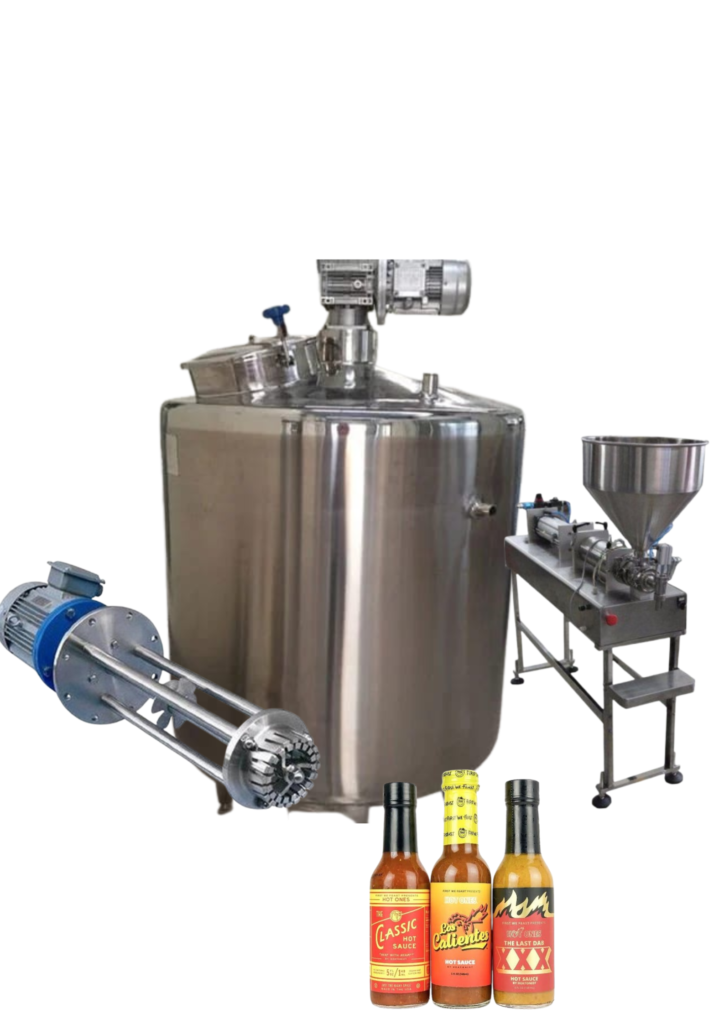
The sauce industry is one of the fastest-growing sectors in food manufacturing. Consumers are constantly searching for new flavours, premium ingredients, and locally made products — creating massive opportunities for entrepreneurs who want to start a small sauce business.
From chilli sauces and BBQ marinades to creamy dressings and cooking sauces, small-scale sauce manufacturing can become a highly profitable venture with the right strategy, branding, and equipment.
Whether you want to supply restaurants, supermarkets, online customers, or export markets, this guide explains everything you need to know to launch and grow a successful sauce business.
Why Start A Small Sauce Business?
Starting a sauce business has several advantages compared to many other food businesses.
Low Startup Barrier
You can begin with small-scale equipment and expand gradually as demand increases.
High Product Demand
Sauces are used daily in:
- Homes
- Restaurants
- Catering businesses
- Fast food outlets
- Retail stores
- Food delivery services
Endless Product Possibilities
You can create:
- Hot sauces
- Tomato sauces
- BBQ sauces
- Marinades
- Peri-peri sauces
- Salad dressings
- Cheese sauces
- Garlic sauces
- Vegan sauces
- Organic products
Strong Branding Potential
A unique flavour and strong packaging can quickly help your brand stand out in the market.
Step 1: Choose Your Sauce Niche
Before buying equipment or designing labels, decide what type of sauce you want to produce.
Popular Sauce Niches
Hot Sauces
Fast-growing and highly profitable due to strong customer loyalty.
BBQ & Grill Sauces
Popular with restaurants, braai businesses, and supermarkets.
Cooking Sauces
Used in homes for convenience meals.
Gourmet & Premium Sauces
Higher profit margins with artisan branding.
Health-Focused Sauces
Organic, sugar-free, vegan, and preservative-free products are growing rapidly.
Choosing a clear niche helps with:
- Branding
- Marketing
- Packaging
- Target audience
- Retail positioning
Step 2: Develop Your Recipe
Your recipe is the foundation of your business.
Focus on:
- Taste consistency
- Shelf stability
- Ingredient quality
- Texture
- Aroma
- Colour
You may:
- Develop recipes yourself
- Work with a food technologist
- Test recipes through small batch production
Product testing is critical before commercial production begins.
Step 3: Buy the Right Sauce Manufacturing Equipment
Reliable equipment improves quality, production speed, and consistency.
Essential Equipment for Small Sauce Production
Sauce Mixing Machine
Used for:
- Mixing ingredients evenly
- Reducing manual labour
- Improving consistency
Ideal for:
- Chilli sauces
- Tomato sauce
- Marinades
- Gravies
Steam Jacketed Kettle
Helps cook sauces evenly without burning.
Important for:
- Heating
- Pasteurization
- Thick sauces
- Food safety
Filling Machine
Used for packaging sauces into:
- Bottles
- Sachets
- Buckets
- Pouches
Benefits include:
- Faster filling
- Cleaner packaging
- Better consistency
Labeling Machine
Improves product presentation and retail readiness.
Professional packaging increases customer trust.
Step 4: Understand Food Safety & Compliance
Food manufacturing requires proper hygiene and compliance procedures.
Depending on your location, you may need:
- Food handling certificates
- Business registration
- Health inspections
- Product labeling compliance
- Manufacturing permits
Food safety should always be a top priority.
Step 5: Create Strong Branding
Many customers buy sauces based on packaging and branding before tasting the product.
Your brand should include:
- Professional logo
- Attractive labels
- Clear flavour descriptions
- Strong colour identity
- Memorable product name
Good branding helps your sauce stand out on shelves and online.
Step 6: Choose Your Packaging
Packaging affects:
- Shelf appeal
- Product safety
- Shipping costs
- Brand perception
Common Packaging Options
| Packaging Type | Best For |
|---|---|
| Glass Bottles | Premium sauces |
| Plastic Bottles | Cost-effective retail |
| Sachets | Fast food & takeaway |
| Buckets | Bulk supply |
| Pouches | Modern retail packaging |
Choose packaging that fits your market and budget.
Step 7: Start Small Batch Production
Small batch sauce production allows you to:
- Test the market
- Improve recipes
- Reduce waste
- Lower startup risk
- Gather customer feedback
This approach is ideal for startups entering competitive food markets.
Step 8: Sell Your Sauce
Once production begins, focus on distribution and sales channels.
Where to Sell
Retail Stores
Approach local supermarkets and specialty food stores.
Restaurants & Takeaways
Offer bulk supply or private label opportunities.
Online Stores
Sell through:
- Your website
- Social media
- Marketplace platforms
Farmers Markets & Events
Great for building brand awareness and getting direct customer feedback.
Step 9: Market Your Sauce Brand
Marketing is essential for business growth.
Effective Marketing Strategies
Social Media Marketing
Post:
- Cooking videos
- Recipe ideas
- Product launches
- Customer reviews
Influencer Collaborations
Partner with food creators and chefs.
Sampling Campaigns
Allow customers to taste products before purchasing.
SEO & Website Content
Use blogs and product pages to rank on search engines.
Step 10: Scale Your Sauce Business
As demand increases, you can:
- Upgrade equipment
- Increase production capacity
- Add new flavours
- Expand into retail chains
- Export products
Many large food brands started with small-scale sauce manufacturing.
Common Mistakes to Avoid
Poor Packaging
Weak branding can hurt sales even if the sauce tastes great.
Inconsistent Recipes
Customers expect the same flavour every time.
Ignoring Food Safety
Compliance failures can damage your reputation.
Scaling Too Fast
Grow steadily to maintain quality and cash flow.
Final Thoughts
Starting a small sauce business is one of the most exciting opportunities in food manufacturing today.
With:
- The right niche
- Quality ingredients
- Reliable equipment
- Strong branding
- Smart marketing
…you can build a profitable sauce brand from small batch production into a large-scale commercial operation.
Whether you want to sell hot sauces, marinades, cooking sauces, or gourmet condiments, the market continues to grow — especially for unique, flavour-rich products with strong branding and authentic taste.