
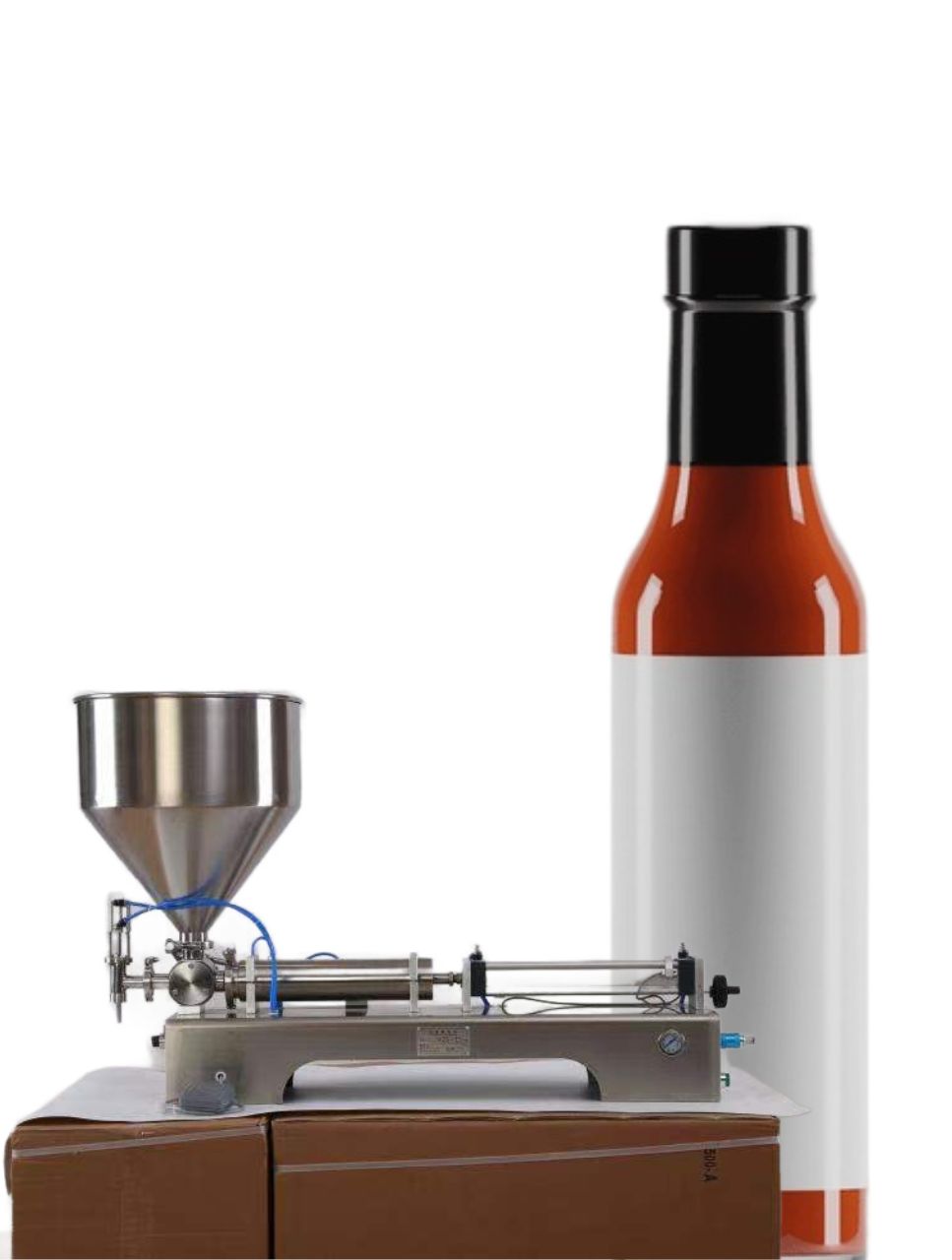
What Affects the Price of a Sauce Filling Machine When you shop for a sauce filling machine, the price depends strongly on: Typical Price Ranges (Approximate) Machine Type / Use Case Typical Price Range* Entry-level / manual or simple semi-automatic (small-batch or startup scale) Low to moderate — budget-friendly for small producers Mid-range semi-automatic or small fully-automatic fillers (medium throughput, flexible containers) Moderate to mid-high — balances cost and performance High-capacity or multipurpose fillers (larger volume, multiple sizes, automation) Higher end — for commercial-scale operations Fully automatic production-line fillers (high output, multi-head, heavy-duty build) Premium range — for large-scale bottling or industrial producers *Actual prices vary depending on region, supplier, features, and new vs second-hand. What to Expect at Different Budget Levels Why Price Range Varies So Much How to Budget Smart When Buying Final Thoughts When looking at sauce filling machine price, there isn’t a one-size-fits-all cost. The right machine for you depends on your production volume, sauce type, container types, and how fast you want to grow. Choosing a machine that matches your business size and growth plan is more important than simply buying the cheapest or most expensive option.
Small Sauce Filling Machine – Complete Guide for Small-Batch Food Producers
What Is a Small Sauce Filling Machine? A small sauce filling machine is a compact, relatively low-capacity piece of equipment designed to fill bottles, jars, or small containers with sauces, condiments, jams, syrups, or other semi-liquid food products. Unlike large industrial fillers, this type of machine is suitable for small or medium-scale production — ideal for artisan sauce makers, startups, or small factories producing limited batches. These machines often use piston mechanisms, gear pumps, or simple volumetric dosing systems to handle sauces that are more viscous or have some texture, ensuring accurate fill volume and reducing wastage or mess. Why a Small Sauce Filling Machine Makes Sense for Smaller Producers ✅ Cost-effective: With lower purchase price and simpler setup requirements compared to full-scale bottling lines, small sauce fillers are budget-friendly for growing businesses or startups. ✅ Manageable Batch Sizes: Perfect for small-batch or seasonal production, limited runs, or when experimenting with new sauces without committing to massive volume. ✅ Flexibility: Can handle different container sizes (small bottles, jars, pouches) and variable batch volumes. ✅ Accurate & Clean Filling: Ensures consistent fill volumes, minimizes spillage and waste — important for thick or pulpy sauces. ✅ Easier Maintenance and Cleaning: Compact size means easier access, thorough cleaning, and simplified maintenance between batches — ideal when switching products regularly. Types of Small Sauce Filling Machines Depending on your product type, container size, and budget, there are several common types: Key Features to Evaluate When Buying a Small Sauce Filling Machine Before purchasing, ensure the machine meets these criteria: Common Use Cases for Small Sauce Filling Machines Benefits and Limitations Benefits: Limitations: Who Should Invest in a Small Sauce Filling Machine? You should consider investing in one if: Practical Advice & Tips for Getting Started 🧾 Conclusion: Why Small Sauce Filling Machines Are Ideal for Startups & SMEs For small-scale sauce producers, artisan condiments makers, or emerging food businesses, a small sauce filling machine offers the perfect balance of affordability, flexibility, and professionalism. It helps you move beyond manual filling — improving consistency, hygiene, packaging quality, and output volume — without the high cost or complexity of industrial-scale bottling lines. If you want to grow your brand, serve more customers, or move from home-based production to small-scale factory bottling, a small sauce filler can be a game-changer. Carefully choose a machine that matches your sauce type, production volume, and long-term growth plans — and it will serve as a reliable partner in your business journey.
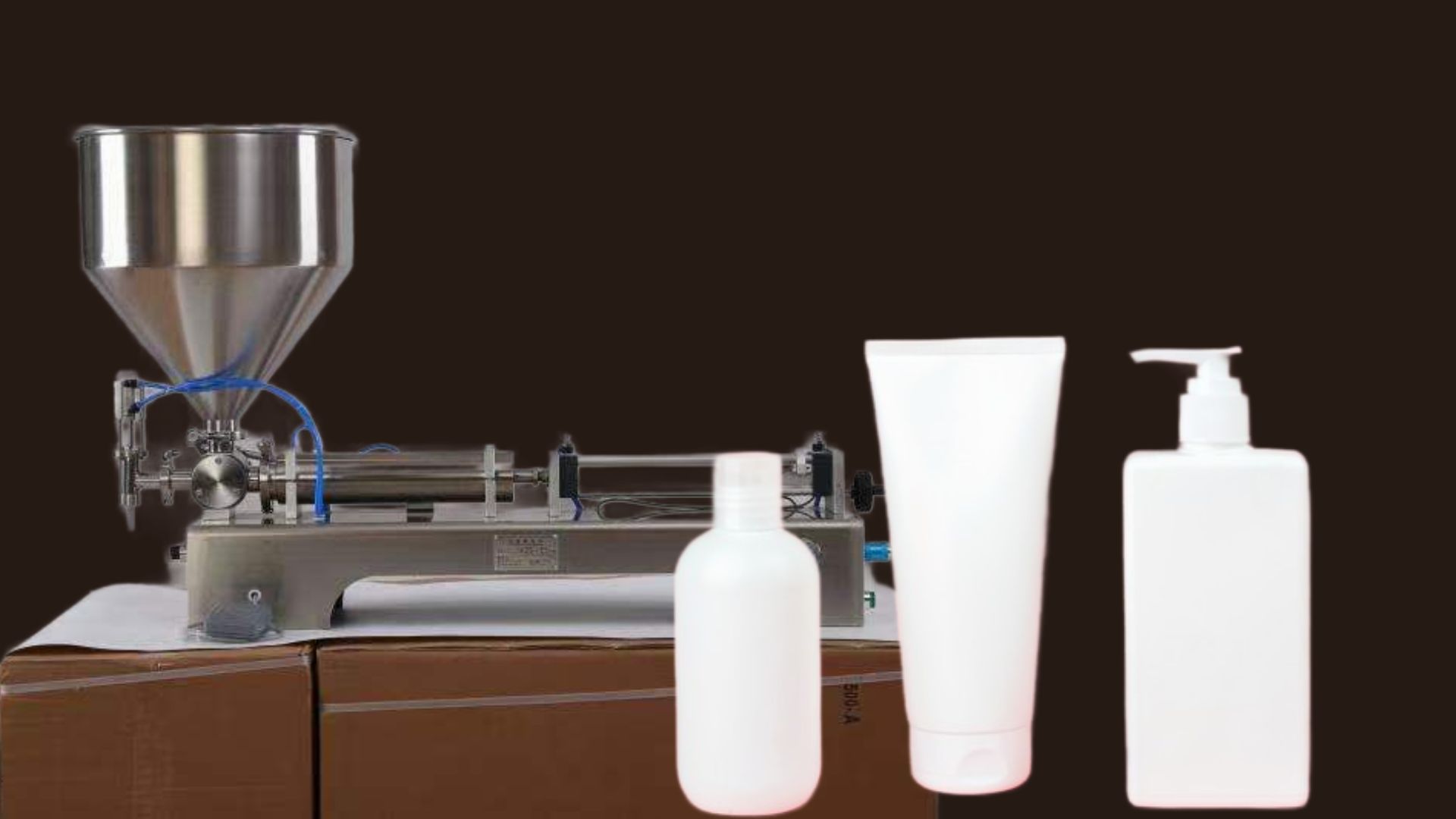
Cosmetic Filling Machine – Complete Guide for Beauty & Personal Care Manufacturers
What Is a Cosmetic Filling Machine? A cosmetic filling machine is equipment designed to dispense cosmetic products — like creams, lotions, gels, shampoos, oils, ointments or balms — into containers such as bottles, jars, tubes, or bottles. These machines handle a wide range of viscosities, from thin liquids to thick creams or pastes, ensuring accurate, hygienic, and consistent fill volumes batch after batch. Depending on the design, the machine may work via piston pumps, gear pumps, peristaltic pumps or volumetric dosing — selected based on the product’s viscosity and packaging requirements. Why Cosmetic Brands Should Use a Filling Machine Types of Cosmetic Filling Machines & What They’re Used For Type Best For / Strengths Piston / Positive-Displacement Fillers Creams, lotions, semi-thick products — good volume control for viscous cosmetic creams or balms. Gear-Pump or Peristaltic/Pump Fillers Lotions, shampoos, oils — works well with liquid to medium-viscosity products; gentle pumping helps avoid product shear. Semi-Automatic Fillers Small to medium batch production — great for start-ups, small cosmetic brands, artisanal suppliers. Fully Automatic Multi-Head Fillers Large-scale operations — high throughput, filling many bottles/jars per minute, suited for mass-market cosmetic production. Vacuum / Vacuum-Assist Fillers For sensitive formulations requiring minimal air exposure — creams, serums, lotions prone to oxidation or separation. What to Check When Buying a Cosmetic Filling Machine When evaluating a cosmetic filling machine, ensure: Who Should Invest in a Cosmetic Filling Machine? Benefits & Trade-Offs Benefits: Trade-Offs / Challenges: Final Thoughts A cosmetic filling machine is a fundamental investment for any cosmetics or personal-care brand aiming for professionalism, quality, and scalability. Whether you start small with a semi-automatic filler or go big with a fully automated line, the right filling machine ensures your lotions, creams, shampoos, and other cosmetic products are filled correctly, hygienically, and consistently. For brands serious about growth, packaging quality, and market professionalism — a cosmetic filling machine is not just a convenience, it’s a strategic asset.
Sauce Filling Machine – Complete Guide for Food & Beverage Producers
What Is a Sauce Filling Machine? A sauce filling machine is equipment designed to fill bottles, jars, or containers with sauces, condiments, syrups, or other semi-liquid and viscous products. Because sauces often have thicker consistency than water, the machine uses pumps, pistons, or controlled dispensing nozzles to push the sauce into containers, ensuring consistent volume, minimal spillage, and hygienic handling. These machines are widely used in food processing — from small artisanal sauce producers to larger commercial bottling operations. Why Use a Sauce Filling Machine? ✅ Consistent Fill Volume Manual filling often results in uneven fills or spillage. A sauce filling machine delivers accurate, repeatable fill volumes — important for quality control and regulatory compliance. ✅ Speed & Efficiency Filling bottles manually is labour-intensive and slow. A filling machine significantly increases throughput, especially if you have high production targets or many orders. ✅ Hygiene & Food Safety Modern machines are built with food-grade materials, designed for easy cleaning and sanitisation — crucial when dealing with edible products. ✅ Scalability As your production grows, a filling machine allows you to scale up without proportionally increasing labour. Great for growing sauce, jam, or condiment businesses. ✅ Reduced Waste Precise filling reduces wastage from overfilling or spillage, saving on raw materials over time. Types of Sauce Filling Machines Depending on your production size, sauce viscosity, and container type, you can choose from different machine types: 1. Piston / Positive-Displacement Fillers 2. Gear Pump / Rotary Pump Fillers 3. Semi-Automatic Fillers 4. Fully Automatic Filling Lines 5. Volumetric Fillers with Nozzle Control What to Consider Before Buying a Sauce Filling Machine When evaluating a sauce filling machine, take into account: Common Uses & Industries Sauce filling machines are widely used in: Both small artisanal producers and large-scale manufacturers benefit from using a sauce filling machine. Advantages & Challenges Advantages Challenges Who Should Use a Sauce Filling Machine? Final Thoughts A sauce filling machine is one of the most valuable investments for businesses that produce sauces, condiments, jams, or other liquid/semi-liquid food products. By automating the filling process, you save time, reduce waste, ensure consistent product quality, and improve hygiene — all of which help you scale up, meet demand, and build a reliable brand. Before purchasing, carefully consider the viscosity of your sauce, your production needs, hygiene and cleaning requirements, and maintenance capabilities. With the right machine, you’ll position your food business for growth and success.
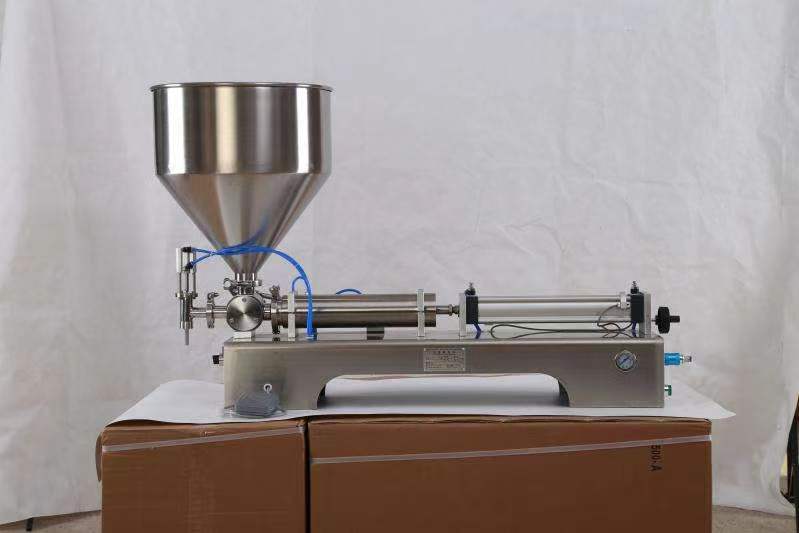
Used Piston Filling Machine – Complete Buyer & Guide
What Is a Piston Filling Machine? A piston filling machine is a type of filler designed to fill containers — bottles, jars, tubes — with liquids, creams, pastes, or semi-viscous products. It uses a piston mechanism to draw in a defined volume of product, then pushes that volume into the container when triggered. This ensures accurate, repeatable fill volumes — unlike gravity fillers that depend on liquid flow. Piston fillers handle a range of product viscosities — from thin liquids to thick creams or gels — making them versatile for food, cosmetics, chemicals, and more. Why Buying a Used Piston Filling Machine Can Make Sense ✅ Lower Capital Investment Used machines typically cost significantly less than new ones, making them ideal for small or medium enterprises, startups, or pilot runs with limited budgets. ✅ Faster Return on Investment Because you pay less upfront, even modest output can quickly recoup the purchase cost. The savings on manual labour and increased output speed add up fast. ✅ Access to Higher-Spec Machines Used machines sometimes offer higher specs — multi-head piston fillers, larger capacity — at prices affordable only through second-hand purchase. ✅ Durable and Proven Technology Piston fillers are built to handle rugged industrial use: heavy-duty pumps, stainless steel wetted parts, and robust frames. A well-maintained used unit can still deliver years of reliable service. What to Inspect When Buying a Used Piston Filling Machine Before purchasing, carefully evaluate these elements to avoid future problems: Advantages & Drawbacks of Using a Second-Hand Piston Filler Advantages Drawbacks / Risks Who Should Consider a Used Piston Filling Machine? Buying Strategy & Smart Tips for Second-Hand Machines Final Thoughts A used piston filling machine offers a smart, cost-effective solution for businesses looking to automate filling of liquids, creams, sauces, or pastes — without huge upfront costs. With careful inspection, proper refurbishment, and good maintenance practices, a well-chosen used pistol filler can deliver years of reliable service. For small and medium-sized producers, it’s often the most budget-friendly path to professional-grade packaging and higher output. If you’re ready to grow your production without overspending, a used piston filling machine could be the ideal next step.
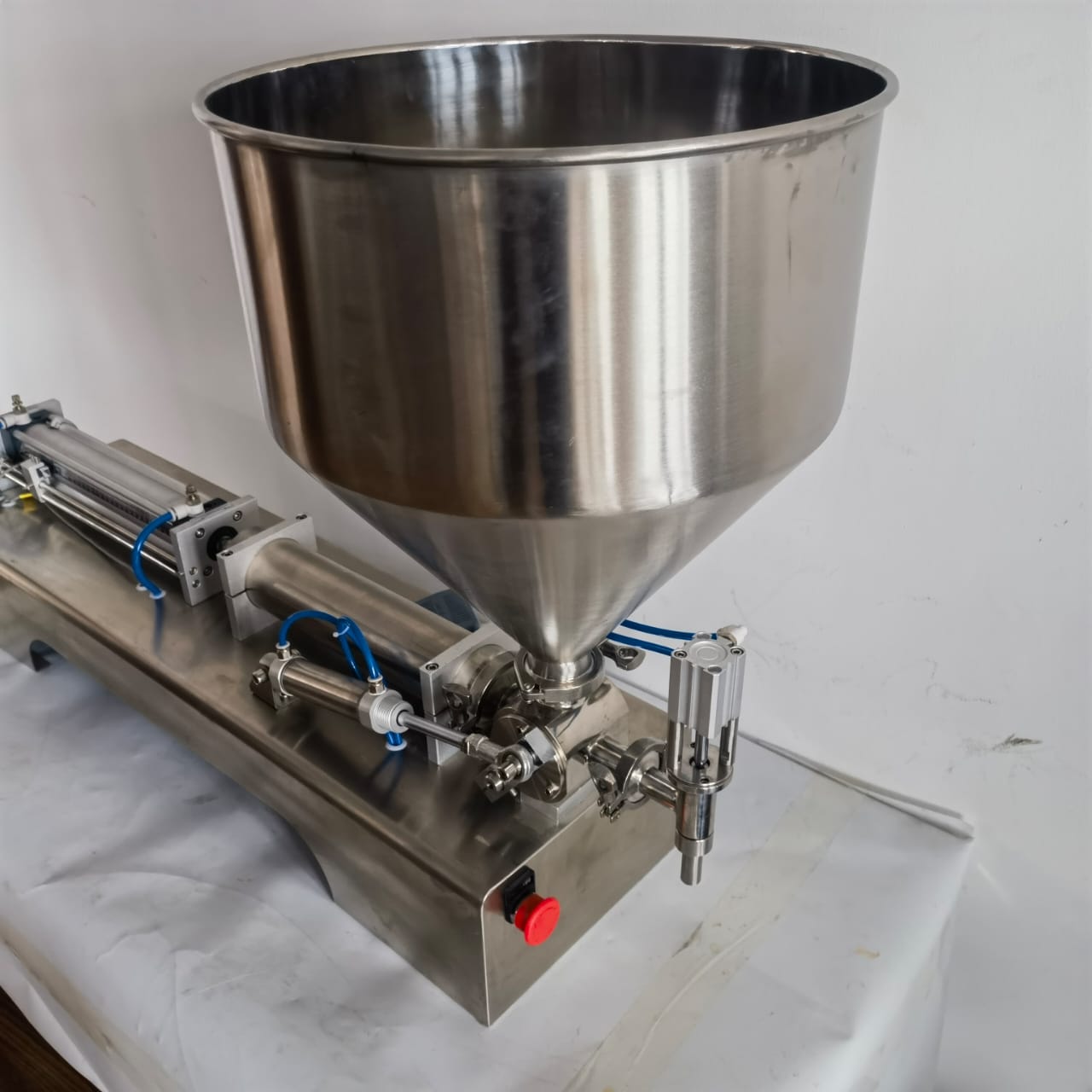
Second Hand Paste Filler – Buyer Guide & What to Know
What Is a Paste Filler? A paste filler is a machine designed to fill viscous or semi-solid products — such as creams, lotions, sauces, ointments, pastes, gels — into containers (jars, bottles, tubes) with controlled volume and consistency. Instead of relying on gravity or thin-liquid flow, paste fillers use mechanical systems (pistons, pumps, or screw delivery) to handle thick or sticky materials that are difficult to fill manually. Why Consider a Second Hand Paste Filler? ✅ Cost Savings A used paste filler can cost significantly less than a brand-new machine. For small or start-up businesses, this lower capital investment helps you get professional-quality equipment without spending too much. ✅ Faster ROI for Small / Medium Production Because paste fillers speed up the filling process and improve consistency, you can start recouping your investment quickly. Buying used reduces the initial cost and improves cash flow. ✅ Proven Durability Many paste fillers are built to last — stainless steel frames, durable pump or piston systems — so a well-maintained used unit can still run efficiently for years. ✅ Lower Depreciation Risk New machines lose value quickly once purchased; a used machine’s value has already stabilized. Buying second hand reduces risk of rapid depreciation. ✅ Access to Higher-Spec Machines at Lower Prices You may afford a larger or more feature-rich machine second hand — perhaps one with multi-head pistons or heated hoppers — that a new budget wouldn’t allow. What to Check When Buying a Used Paste Filler Before you commit, carefully inspect and test the machine to avoid costly mistakes. Here’s a checklist: Advantages & Limitations of Used Paste Fillers Advantages Limitations / Risks Who Should Consider a Second Hand Paste Filler? Smart Buying Tips for Used Paste Fillers Conclusion A second hand paste filler can be a very smart investment — especially for small to medium-sized producers or startups working with creams, sauces, ointments, or other viscous products. If carefully inspected and maintained, a used machine offers almost all the benefits of a new one, but at a fraction of the expense. When buying used: prioritize mechanical and sanitary condition, test with real product, and plan for maintenance before starting production. With the right approach, a second hand paste filler can boost your productivity, improve consistency, and give your business a competitive edge — all without a heavy financial burden.