
Introduction
A bottle capping machine is a critical component in modern packaging lines, ensuring bottles are sealed securely, consistently, and hygienically. From food and beverages to cosmetics, pharmaceuticals, chemicals, and household products, bottle capping machines play a vital role in protecting product quality, preventing leaks, and extending shelf life.
As production volumes increase, manual capping becomes inefficient and inconsistent. This is where automated and semi-automated bottle capping machines offer significant advantages in speed, accuracy, and operational efficiency.
What Is a Bottle Capping Machine?
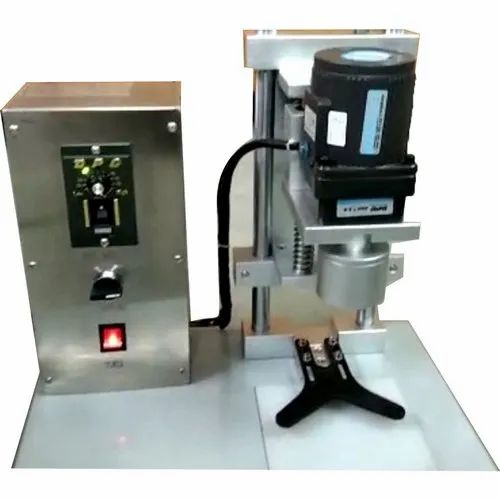
A bottle capping machine is a mechanical system designed to apply and tighten caps onto bottles at controlled torque levels. These machines handle various bottle shapes, sizes, and cap types, ensuring uniform sealing across every unit.
Bottle capping machines can operate as standalone units or be integrated into complete filling and packaging lines.
Types of Bottle Capping Machines
Manual Bottle Capping Machines
Suitable for very small-scale production, pilot operations, and startups. These machines require operator input but provide controlled and repeatable capping.
Semi-Automatic Bottle Capping Machines
Ideal for small to medium manufacturers. The operator positions the bottle, and the machine automatically tightens the cap, offering improved speed and consistency.
Automatic Bottle Capping Machines
Designed for high-volume production lines, automatic capping machines handle bottle feeding, cap placement, tightening, and discharge with minimal human intervention.
Common Cap Types Supported
- Screw caps
- ROPP aluminium caps
- Press-on caps
- Flip-top caps
- Trigger spray caps
- Pump caps
This flexibility allows manufacturers to use a single capping machine across multiple product lines.
Key Features of Bottle Capping Machines
- Adjustable torque control for consistent sealing
- Stainless steel construction for hygiene and durability
- Variable speed control
- Quick changeover for different bottle sizes
- Compact and space-saving designs
- Low maintenance and long service life
Applications Across Industries
Food & Beverage
- Water and juice bottles
- Cooking oil containers
- Sauces and condiments
Cosmetics & Personal Care
- Shampoo and conditioner bottles
- Lotion and cream containers
- Serum and oil bottles
Pharmaceuticals
- Syrups and liquid medicines
- Herbal products
- Supplements
Chemical & Detergent Manufacturing
- Cleaning chemicals
- Liquid detergents
- Industrial solutions
Bottle Sizes & Compatibility
Bottle capping machines typically support:
- Bottle diameters from small sample bottles to large containers
- Heights ranging from short jars to tall bottles
- Plastic, glass, and aluminium containers
Adjustable guides and chuck heads allow easy adaptation to different packaging formats.
Production Capacity
Production output depends on the machine type:
- Manual: Low volume, operator-dependent
- Semi-automatic: Moderate output with improved consistency
- Automatic: High-speed continuous operation suitable for commercial production
Benefits of Using a Bottle Capping Machine
- Consistent sealing quality
- Reduced product spillage and leakage
- Improved production speed
- Lower labour costs
- Professional packaging finish
These benefits directly contribute to improved brand presentation and reduced product returns.
How to Choose the Right Bottle Capping Machine
When selecting a bottle capping machine, consider:
- Production volume requirements
- Cap type and material
- Bottle size range
- Required torque accuracy
- Integration with filling machines
Choosing the correct machine ensures long-term efficiency and scalability.
Conclusion
A bottle capping machine is an essential investment for manufacturers seeking reliable, efficient, and hygienic packaging solutions. Whether for small-scale operations or high-volume production, the right capping machine enhances product quality, operational efficiency, and overall profitability.
As packaging standards continue to rise, automated capping solutions are no longer optional—they are a necessity for competitive manufacturing.