
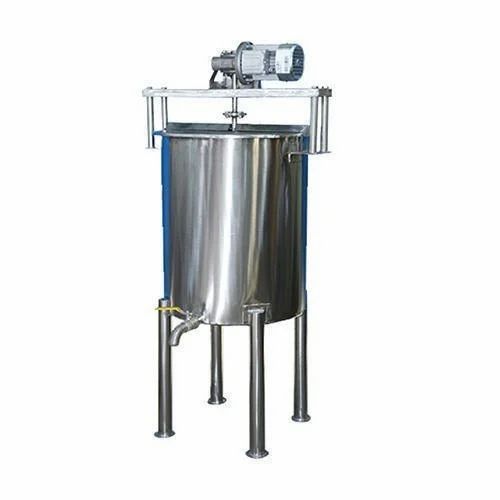
Introduction An industrial mixer 20 L is a compact yet powerful mixing solution designed for small to medium production environments that require consistency, efficiency, and control. Ideal for businesses that need industrial-grade performance without large batch volumes, the 20-litre industrial mixer is widely used in food processing, cosmetics, pharmaceuticals, chemicals, and detergent manufacturing. This mixer size is especially popular for startups, pilot plants, R&D facilities, and manufacturers producing multiple product variants in smaller batches. What Is a 20 L Industrial Mixer? A 20 litre industrial mixer is a mechanically driven mixing machine capable of handling liquids, semi-liquids, pastes, powders, or viscous materials in controlled batch sizes. Built with industrial components, it delivers uniform mixing, reduced processing time, and repeatable results compared to domestic or light-duty mixers. Despite its compact size, it offers professional-level torque, durability, and hygiene compliance. Key Features of a 20 L Industrial Mixer Common Applications Food & Beverage Production Cosmetics & Personal Care Chemical & Detergent Manufacturing Pharmaceutical & Herbal Products Mixing Capabilities A 20 L industrial mixer can be configured for: The versatility makes it suitable for manufacturers producing multiple product types. Motor Power & Speed Range Typical specifications include: Variable speed control allows precision across different formulations. Batch Size & Production Efficiency While rated at 20 litres, the effective working capacity is often slightly lower to ensure optimal mixing. This size is ideal for: The shorter batch cycles help improve turnaround time and reduce material waste. Construction & Materials Most industrial 20 L mixers are manufactured using: This ensures compliance with safety, hygiene, and quality standards. Benefits of a 20 L Industrial Mixer How to Choose the Right 20 L Industrial Mixer When selecting a 20 L industrial mixer, consider: Choosing the right configuration ensures long-term productivity and reliability. Conclusion A 20 L industrial mixer is an excellent solution for manufacturers who need professional mixing performance without large-scale equipment. Its versatility, efficiency, and durability make it a valuable asset across food, cosmetic, pharmaceutical, and chemical industries. For businesses focused on quality, flexibility, and controlled production, the 20 litre industrial mixer delivers dependable results batch after batch.
Bottle Capping Machine: Efficient Sealing Solutions for Modern Packaging
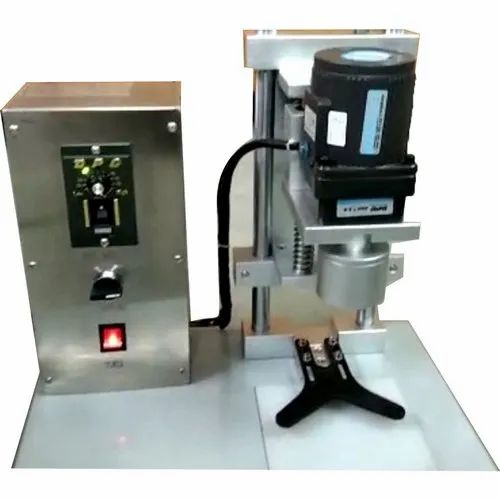
Introduction A bottle capping machine is a critical component in modern packaging lines, ensuring bottles are sealed securely, consistently, and hygienically. From food and beverages to cosmetics, pharmaceuticals, chemicals, and household products, bottle capping machines play a vital role in protecting product quality, preventing leaks, and extending shelf life. As production volumes increase, manual capping becomes inefficient and inconsistent. This is where automated and semi-automated bottle capping machines offer significant advantages in speed, accuracy, and operational efficiency. What Is a Bottle Capping Machine? A bottle capping machine is a mechanical system designed to apply and tighten caps onto bottles at controlled torque levels. These machines handle various bottle shapes, sizes, and cap types, ensuring uniform sealing across every unit. Bottle capping machines can operate as standalone units or be integrated into complete filling and packaging lines. Types of Bottle Capping Machines Manual Bottle Capping Machines Suitable for very small-scale production, pilot operations, and startups. These machines require operator input but provide controlled and repeatable capping. Semi-Automatic Bottle Capping Machines Ideal for small to medium manufacturers. The operator positions the bottle, and the machine automatically tightens the cap, offering improved speed and consistency. Automatic Bottle Capping Machines Designed for high-volume production lines, automatic capping machines handle bottle feeding, cap placement, tightening, and discharge with minimal human intervention. Common Cap Types Supported This flexibility allows manufacturers to use a single capping machine across multiple product lines. Key Features of Bottle Capping Machines Applications Across Industries Food & Beverage Cosmetics & Personal Care Pharmaceuticals Chemical & Detergent Manufacturing Bottle Sizes & Compatibility Bottle capping machines typically support: Adjustable guides and chuck heads allow easy adaptation to different packaging formats. Production Capacity Production output depends on the machine type: Benefits of Using a Bottle Capping Machine These benefits directly contribute to improved brand presentation and reduced product returns. How to Choose the Right Bottle Capping Machine When selecting a bottle capping machine, consider: Choosing the correct machine ensures long-term efficiency and scalability. Conclusion A bottle capping machine is an essential investment for manufacturers seeking reliable, efficient, and hygienic packaging solutions. Whether for small-scale operations or high-volume production, the right capping machine enhances product quality, operational efficiency, and overall profitability. As packaging standards continue to rise, automated capping solutions are no longer optional—they are a necessity for competitive manufacturing.