
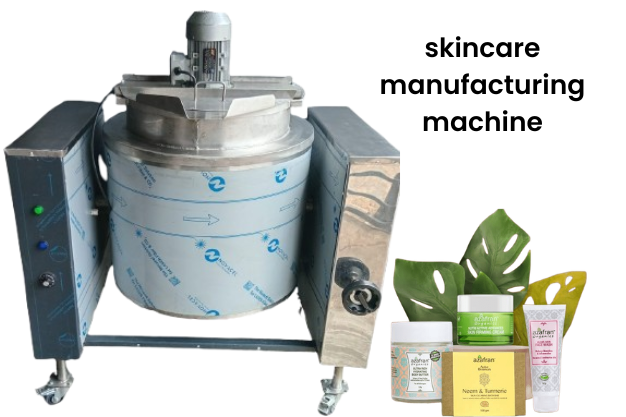
The demand for skincare products such as body lotions, moisturizers, and creams is rapidly growing in South Africa. To meet this demand, businesses require reliable lotion manufacturing equipment that ensures consistent quality and efficient production. A complete lotion production setup includes mixing, emulsifying, filling, and packaging equipment working together as a system. What is Lotion Manufacturing Equipment? Lotion manufacturing equipment refers to a combination of machines used to produce, mix, and package lotion products. These machines are designed to: Modern systems range from small startup setups to fully automated industrial production lines. Essential Machines for Lotion Production 1. Mixing Tank with Homogenizer This is the core machine in lotion production. It mixes ingredients and creates a stable emulsion. Homogenizers reduce particle size and ensure a smooth texture, which is essential for high-quality lotions. 2. Heating and Cooling System (Jacketed Tank) Lotion production requires controlled heating to melt ingredients and proper cooling to stabilize the final product. Jacketed tanks allow precise temperature control during processing. 3. Filling Machine Filling machines are used to package lotion into bottles, jars, or tubes with high accuracy. For example, piston fillers are widely used for lotions and creams because they handle viscous products efficiently and ensure consistent filling. 4. Capping Machine This machine seals containers after filling, ensuring product safety and preventing leaks. 5. Labelling Machine Applies labels for branding and compliance with product regulations. Types of Lotion Filling Machines Manual Filling Machines Pneumatic (Semi-Automatic) Filling Machines Fully Automatic Filling Machines Advanced systems can achieve outputs of up to 50–180 units per minute depending on configuration. Lotion Manufacturing Equipment Prices in South Africa The cost depends on machine type, capacity, and automation level. Filling Machines For example, small pneumatic fillers can cost around R11,000, while semi-automatic systems can range up to R18,000+ depending on specifications. Mixing and Homogenizing Equipment Tube Filling Machines How Lotion is Manufactured (Simple Process) Step 1: Heating Oil and water phases are heated separately. Step 2: Mixing Ingredients are combined in a mixing tank. Step 3: Homogenizing High shear mixing creates a smooth emulsion. Step 4: Cooling The mixture is cooled while stirring continues. Step 5: Filling The finished lotion is filled into containers. Step 6: Packaging Products are capped, labeled, and prepared for sale. Benefits of Investing in Lotion Manufacturing Equipment Consistent Product Quality Ensures uniform texture and stability. Increased Efficiency Speeds up production compared to manual methods. Scalability Allows businesses to grow production capacity. Reduced Labor Costs Automation reduces manual work. How to Choose the Right Equipment For Startups For Growing Businesses For Industrial Production Why Lotion Manufacturing is Profitable in South Africa Conclusion Investing in lotion manufacturing equipment in South Africa is a strategic move for businesses entering the cosmetic industry. From mixing tanks and homogenizers to filling and packaging machines, each component plays a critical role in production. Choosing the right equipment based on your business size and goals will help you achieve consistent quality, improve efficiency, and scale your operations successfully. FAQ Section (SEO Optimized) What equipment is needed to manufacture lotion?You need a mixing tank with homogenizer, heating system, filling machine, capping machine, and labeling machine. What is the best filling machine for lotion?Piston filling machines are best for viscous products like lotions and creams. How much does lotion manufacturing equipment cost in South Africa?Costs range from around R6,000 for small machines to over R1,000,000 for full industrial setups. Can I start lotion production with small machines?Yes, small-scale equipment is ideal for startups and can be upgraded as your business grows.
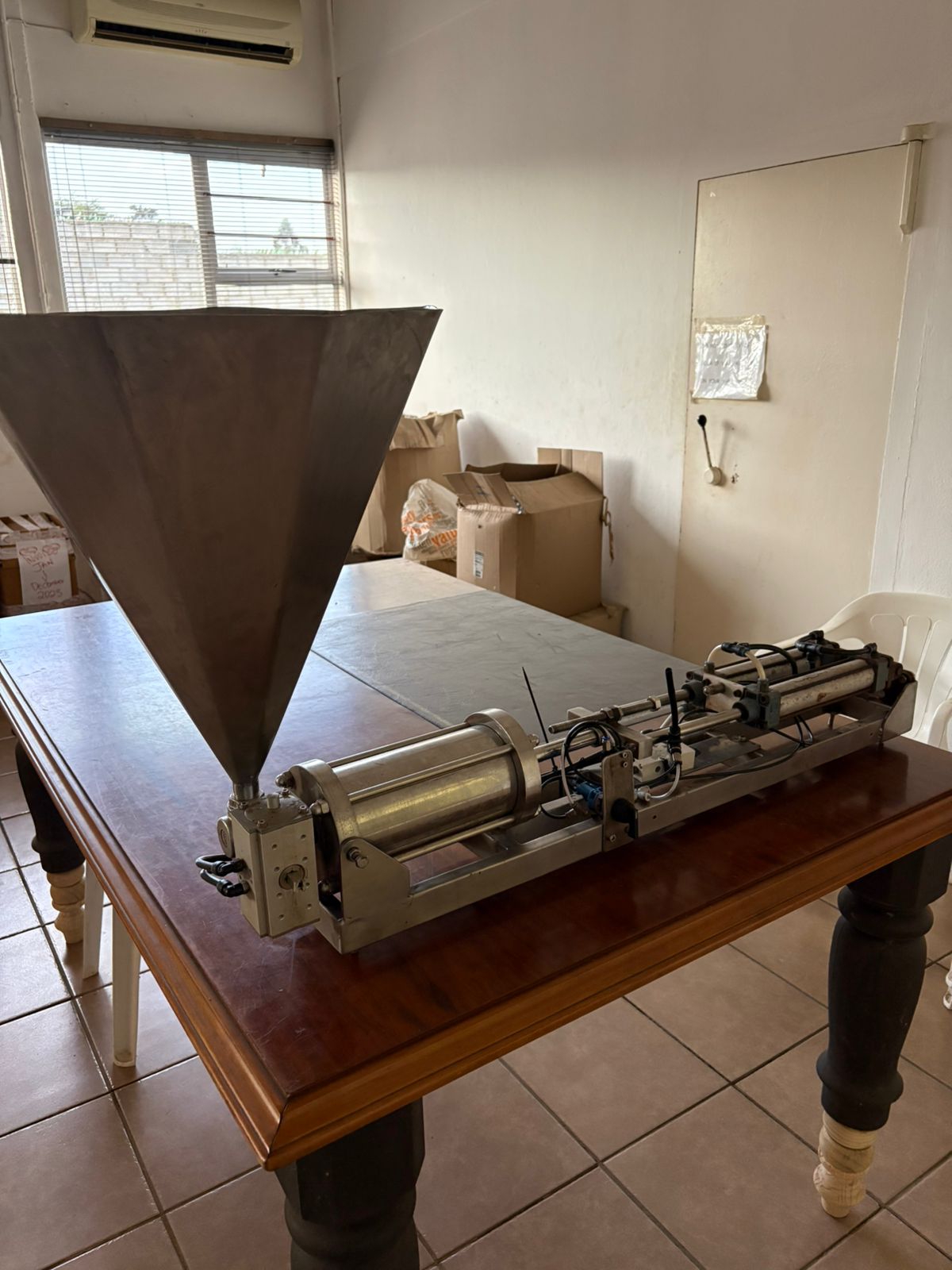
Cosmetic Filling Machine Price in South Africa – Complete Guide
The cosmetic industry in South Africa is growing rapidly, creating strong demand for efficient production equipment. One of the most important machines in any cosmetic production setup is the cosmetic filling machine. Understanding the cosmetic filling machine price in South Africa helps businesses plan their investment and choose the right equipment for their production needs. What is a Cosmetic Filling Machine? A cosmetic filling machine is used to accurately fill products into containers such as bottles, jars, and tubes. These machines are essential for maintaining consistency, reducing waste, and improving production efficiency. They are commonly used for: Cosmetic Filling Machine Price in South Africa Prices vary depending on automation level, machine type, and production capacity. Manual Filling Machines Semi-Automatic Filling Machines Fully Automatic Filling Machines Factors That Affect Price Type of Machine Different filling technologies have different costs. Number of Filling Heads More nozzles increase both speed and price. Capacity and Speed Higher output machines cost more. Product Type Thick products like creams require stronger machines. Material Quality Stainless steel machines are more durable and hygienic but more expensive. Types of Cosmetic Filling Machines Piston Filling Machine Best for thick products like creams and lotions. Gravity Filling Machine Suitable for thin liquids such as toners and perfumes. Pump Filling Machine Works well for both liquids and semi-viscous products. Tube Filling Machine Used for gels, toothpaste, and ointments. Production Capacity Some industrial machines can fill dozens of containers per minute depending on setup. Benefits of Using a Cosmetic Filling Machine High Accuracy Ensures consistent product volumes. Increased Efficiency Speeds up production significantly. Reduced Waste Minimizes product loss. Professional Output Improves packaging quality and brand image. How to Choose the Right Machine For Startups Start with manual or small semi-automatic machines. For Growing Businesses Invest in semi-automatic machines for better efficiency. For Industrial Production Choose fully automatic systems for high output. Cost vs Return on Investment Although automatic machines are more expensive, they: This leads to faster profitability over time. Cosmetic Manufacturing in South Africa South Africa’s cosmetic industry continues to expand, with opportunities in: Investing in the right filling machine allows businesses to compete effectively and scale production. Conclusion The cosmetic filling machine price in South Africa varies depending on the machine type, capacity, and features. From affordable manual units to advanced automatic systems, there are options for every business size. Choosing the right machine ensures efficient production, consistent quality, and long-term business growth. FAQ Section (SEO Optimized) How much does a cosmetic filling machine cost in South Africa?Prices range from around R4,000 for manual machines to over R300,000 for fully automatic systems. What is the best filling machine for creams and lotions?A piston filling machine is ideal for viscous cosmetic products. Can I start with a small filling machine?Yes, manual and semi-automatic machines are perfect for startups. Is a cosmetic filling machine profitable?Yes, it improves efficiency, reduces waste, and supports business growth.
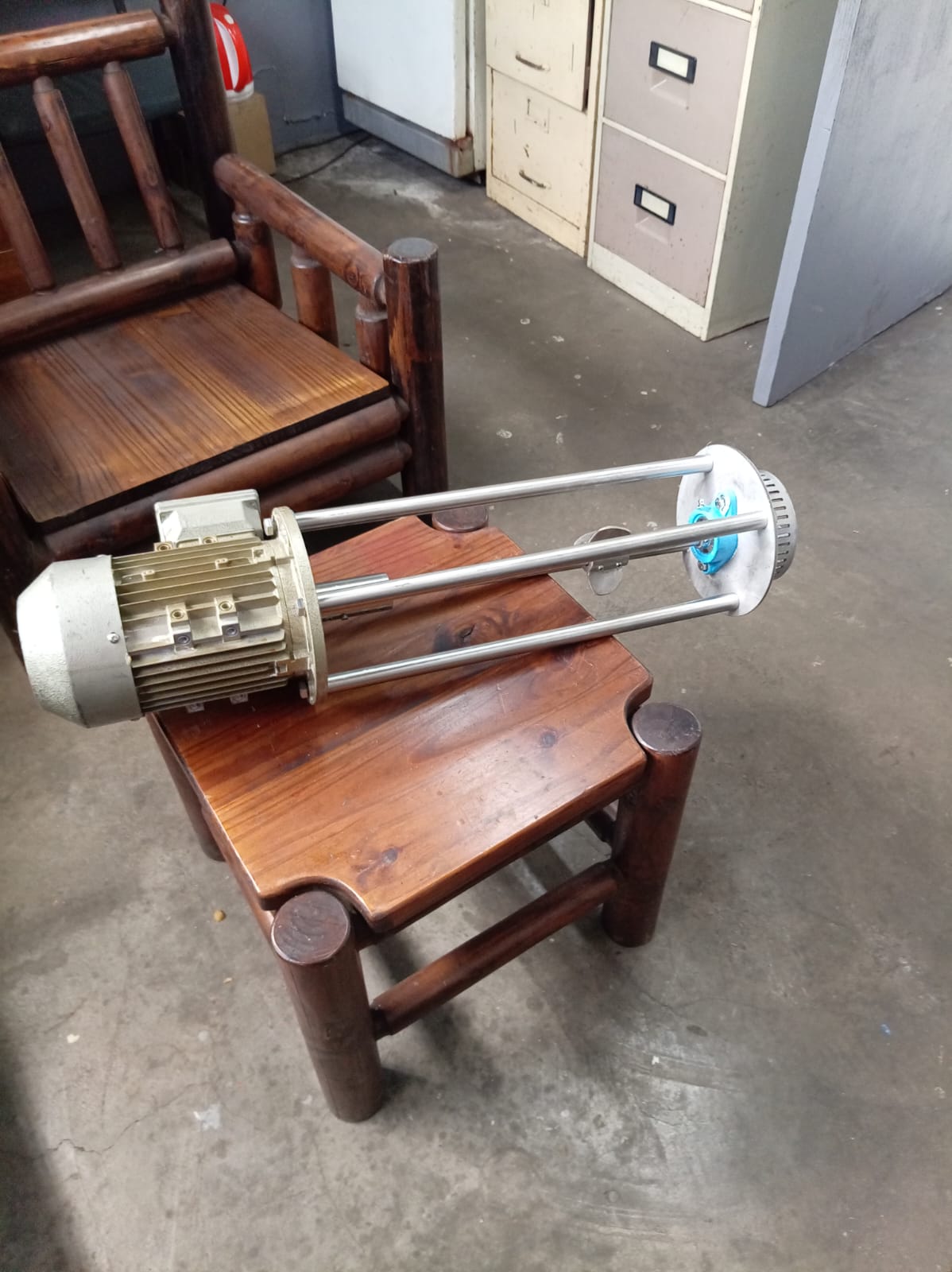
Homogenizer Machine Cost in South Africa – Complete Price Guide
Homogenizers are essential machines in industries such as cosmetics, food processing, pharmaceuticals, and chemicals. They are used to create smooth, stable mixtures by reducing particle size and blending ingredients uniformly. Understanding the homogenizer machine cost in South Africa is important for businesses planning to invest in production equipment. Prices vary widely depending on machine type, size, and features. What is a Homogenizer Machine? A homogenizer machine is designed to mix and emulsify substances by breaking down particles into smaller sizes. This process ensures a smooth and stable final product. Homogenizers are commonly used to produce: Homogenizer Machine Cost in South Africa The cost of homogenizers depends mainly on capacity, technology, and automation level. Small Lab Homogenizers (5L – 50L) Medium-Scale Homogenizers (50L – 300L) Large Industrial Homogenizers (300L – 2000L+) Vacuum Emulsifying Homogenizers Factors That Affect Price Capacity Larger machines cost more but produce higher volumes. Type of Homogenizer High shear, vacuum, and high-pressure homogenizers have different price ranges. Material Quality Stainless steel (SS316) machines are more expensive but offer better durability and hygiene. Automation Level Fully automated systems increase efficiency but come at a higher cost. Additional Features Heating, cooling, vacuum systems, and control panels increase the price. Types of Homogenizer Machines High Shear Homogenizer Uses rotor-stator technology for fast mixing and emulsification. Vacuum Emulsifying Homogenizer Removes air during mixing, improving product quality. High-Pressure Homogenizer Uses pressure to achieve ultra-fine particle size. Inline Homogenizer Used in continuous production systems. Applications Across Industries Cosmetics Creams, lotions, serums, and gels. Food Industry Sauces, juices, dairy products. Chemical Industry Detergents, cleaning products. Pharmaceutical Industry Ointments and medicinal liquids. Benefits of Investing in a Homogenizer Smooth Product Texture Creates high-quality, uniform products. Stable Emulsions Prevents separation of ingredients. Increased Efficiency Speeds up production processes. Versatility Suitable for multiple industries. How to Choose the Right Homogenizer For Startups Choose small lab-scale machines with basic features. For Growing Businesses Invest in medium-capacity homogenizers with improved performance. For Industrial Production Select large vacuum homogenizers with advanced automation. Cost vs Value While homogenizers can be expensive, they provide: This makes them a valuable long-term investment. Homogenizer Market in South Africa South Africa’s manufacturing sector continues to grow, especially in: This has increased demand for homogenizer machines across the country. Conclusion The homogenizer machine cost in South Africa varies widely depending on size, type, and features. From small lab units to large industrial systems, there are options for every business level. Choosing the right homogenizer ensures efficient production, consistent quality, and long-term success in your industry. FAQ Section (SEO Optimized) How much does a homogenizer machine cost in South Africa?Prices range from around R20,000 for small units to over R1,000,000 for large industrial systems. What is the best homogenizer for cosmetics?A vacuum emulsifying homogenizer is ideal for high-quality skincare products. Can I start with a small homogenizer?Yes, small machines are suitable for startups and product testing. What industries use homogenizers?Cosmetics, food, pharmaceuticals, and chemicals all use homogenizers.