
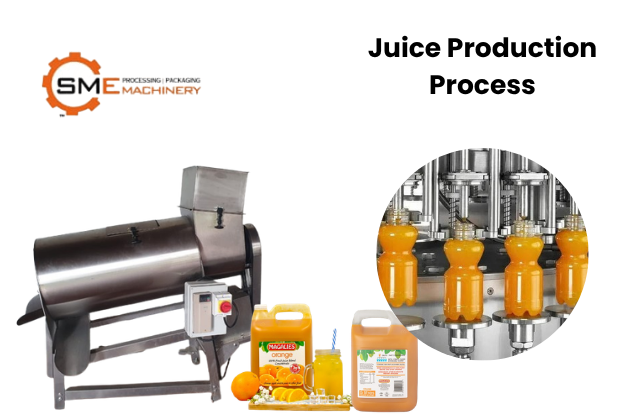
The juice industry is growing rapidly as consumers demand healthier and more natural beverage options. From fresh fruit juices to packaged drinks, manufacturers rely on efficient systems to produce high-quality products at scale. Understanding the juice production process is essential for anyone looking to start or optimize a juice manufacturing business. This guide covers every stage of production, from raw fruit handling to final packaging. What is Juice Production? Juice production is the process of extracting liquid from fruits or vegetables and converting it into a consumable beverage. This process involves several steps to ensure the juice is safe, स्वादिष्ट, and long-lasting. Juice can be produced in different forms: Step-by-Step Juice Production Process Step 1: Fruit Selection High-quality, ripe fruits are selected to ensure good taste and nutritional value. Step 2: Washing and Cleaning Fruits are thoroughly washed to remove dirt, pesticides, and contaminants. Step 3: Sorting and Inspection Damaged or spoiled fruits are removed to maintain quality. Step 4: Peeling and Cutting Some fruits are peeled and cut into smaller pieces for easier processing. Step 5: Crushing and Extraction Fruits are crushed, and juice is extracted using presses or extractors. Step 6: Filtration The juice is filtered to remove pulp, seeds, and unwanted particles. Step 7: Mixing and Blending Ingredients such as sugar, preservatives, or flavors may be added. Step 8: Pasteurization Heat treatment is applied to kill bacteria and extend shelf life. Step 9: Cooling The juice is cooled quickly to maintain quality. Step 10: Filling and Packaging The final product is filled into bottles, cartons, or sachets and sealed. Types of Juice Production Processes Fresh Juice Production Minimal processing with no preservatives, typically consumed quickly. Concentrated Juice Production Water is removed to create concentrate, which is later reconstituted. Blended Juice Production Different fruit juices are combined to create new flavors. Equipment Used in Juice Production A complete juice production line typically includes: Each machine plays a role in ensuring efficiency and product quality. Benefits of Industrial Juice Production High Efficiency Machines process large volumes quickly. Consistent Quality Ensures uniform taste and texture. Hygienic Production Meets food safety standards. Scalability Supports growth from small to large production levels. Challenges in Juice Production Maintaining Freshness Preserving natural taste and nutrients is critical. Contamination Risks Proper hygiene and processing are essential. Equipment Costs Initial investment can be significant. Tips for Successful Juice Production Use Fresh Raw Materials Quality fruits result in better juice. Maintain Hygiene Clean equipment prevents contamination. Optimize Processing Time Avoid over-processing to retain nutrients. Invest in Reliable Equipment High-quality machines improve efficiency and output. What You Can Produce With a juice production system, you can manufacture: Why Invest in Juice Production? Conclusion The juice production process involves multiple stages, from fruit preparation to final packaging. Each step is essential to ensure product quality, safety, and shelf life. By understanding and optimizing the production process, businesses can produce high-quality juice efficiently and meet market demand. Investing in the right equipment and processes will position your juice manufacturing business for long-term success. FAQ Section (SEO Optimized) What are the main steps in juice production?Washing, extraction, filtration, pasteurization, and filling are the main steps. What machines are used in juice production?Washing machines, extractors, mixers, pasteurizers, and filling machines are commonly used. Is juice production profitable?Yes, due to high demand for natural and healthy beverages. Can I start juice production on a small scale?Yes, small-scale equipment is available for startups.
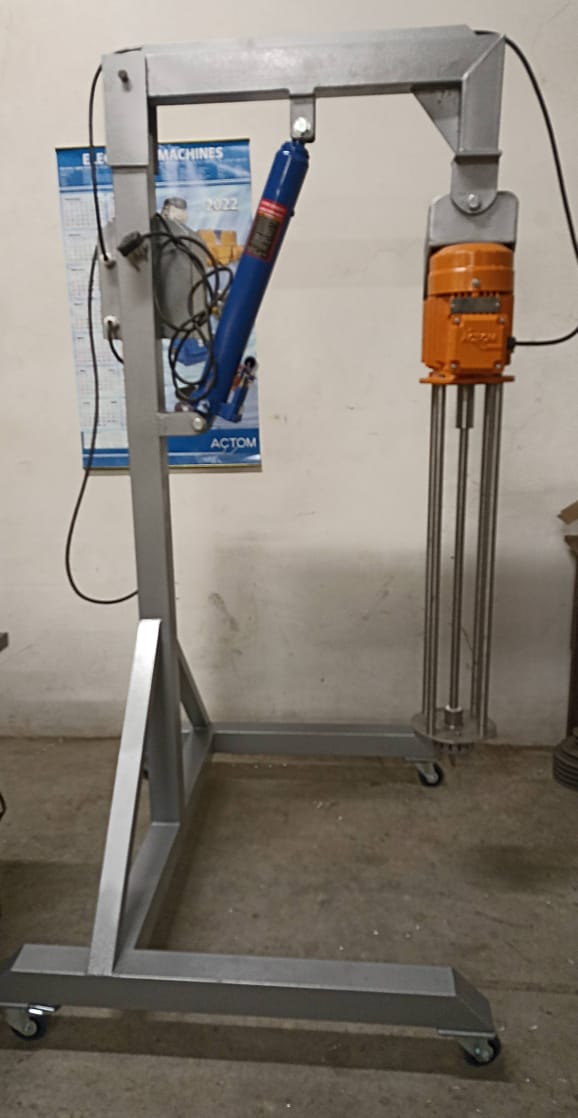
High Shear Mixer for Sale – Complete Guide to Industrial Mixing Equipment
In industries where product consistency and quality are critical, advanced mixing technology plays a vital role. A high shear mixer is one of the most effective machines used to create smooth, stable, and uniform mixtures. From cosmetics and food processing to chemical manufacturing, high shear mixers are widely used to emulsify, homogenize, and disperse ingredients efficiently. If you are looking for a high shear mixer for sale, understanding how this equipment works and its benefits will help you make the right investment. What is a High Shear Mixer? A high shear mixer is an industrial machine designed to rapidly mix and break down particles in liquids or semi-solids. It uses a rotor-stator system to create intense mechanical and hydraulic shear forces. This process ensures: How a High Shear Mixer Works Rotor-Stator System The rotor spins at high speed inside a stationary stator, creating shear forces. High-Speed Mixing Ingredients are drawn into the mixing head and rapidly processed. Emulsification Oil and water phases are combined into stable mixtures. Dispersion Solid particles are evenly distributed within liquids. Key Features High-Speed Operation Delivers fast and efficient mixing. Emulsification Capability Creates smooth and stable emulsions. Stainless Steel Construction Ensures durability and hygiene. Versatile Design Suitable for various industries and applications. Compact or Integrated Systems Available as standalone units or integrated into mixing tanks. Types of High Shear Mixers Batch High Shear Mixer Processes materials in batches using a mixing tank. Inline High Shear Mixer Continuously processes materials in a production line. Bottom Entry Mixer Installed at the bottom of tanks for efficient mixing. Vacuum Emulsifying Mixer Used for high-end cosmetic and pharmaceutical products. Applications Across Industries Cosmetics Industry Used for creams, lotions, gels, and serums. Food Industry Ideal for sauces, mayonnaise, dressings, and dairy products. Chemical Industry Used for detergents, paints, and coatings. Pharmaceutical Industry Suitable for ointments and medicinal formulations. Products You Can Manufacture With a high shear mixer, you can produce: Benefits of Using a High Shear Mixer Superior Product Quality Ensures smooth texture and stable formulations. Faster Processing Reduces mixing time significantly. Consistent Results Delivers uniform quality across batches. Versatility Handles a wide range of products and viscosities. Increased Efficiency Improves production output and reduces waste. Capacity Options High shear mixers come in various sizes: Factors Affecting Price The price of a high shear mixer depends on: Advanced systems with higher speeds and automation typically cost more. How to Choose the Right High Shear Mixer For Startups Choose small batch mixers with basic features. For Growing Businesses Opt for medium-sized systems with better efficiency. For Industrial Production Invest in large or inline systems with full automation. Why Invest in a High Shear Mixer? Conclusion A high shear mixer is an essential piece of equipment for industries that require high-quality mixing, emulsification, and homogenization. With its ability to produce smooth, stable, and consistent products, it is a valuable investment for businesses in cosmetics, food, and chemical manufacturing. Choosing the right high shear mixer ensures efficiency, quality, and long-term success. FAQ Section (SEO Optimized) What is a high shear mixer used for?It is used for emulsifying, homogenizing, and mixing liquids and semi-solids. What industries use high shear mixers?Cosmetics, food, pharmaceuticals, and chemical industries. What is the difference between a homogenizer and a high shear mixer?A homogenizer is a type of high shear mixer designed specifically for fine emulsification. Is a high shear mixer suitable for small businesses?Yes, small-capacity mixers are available for startups
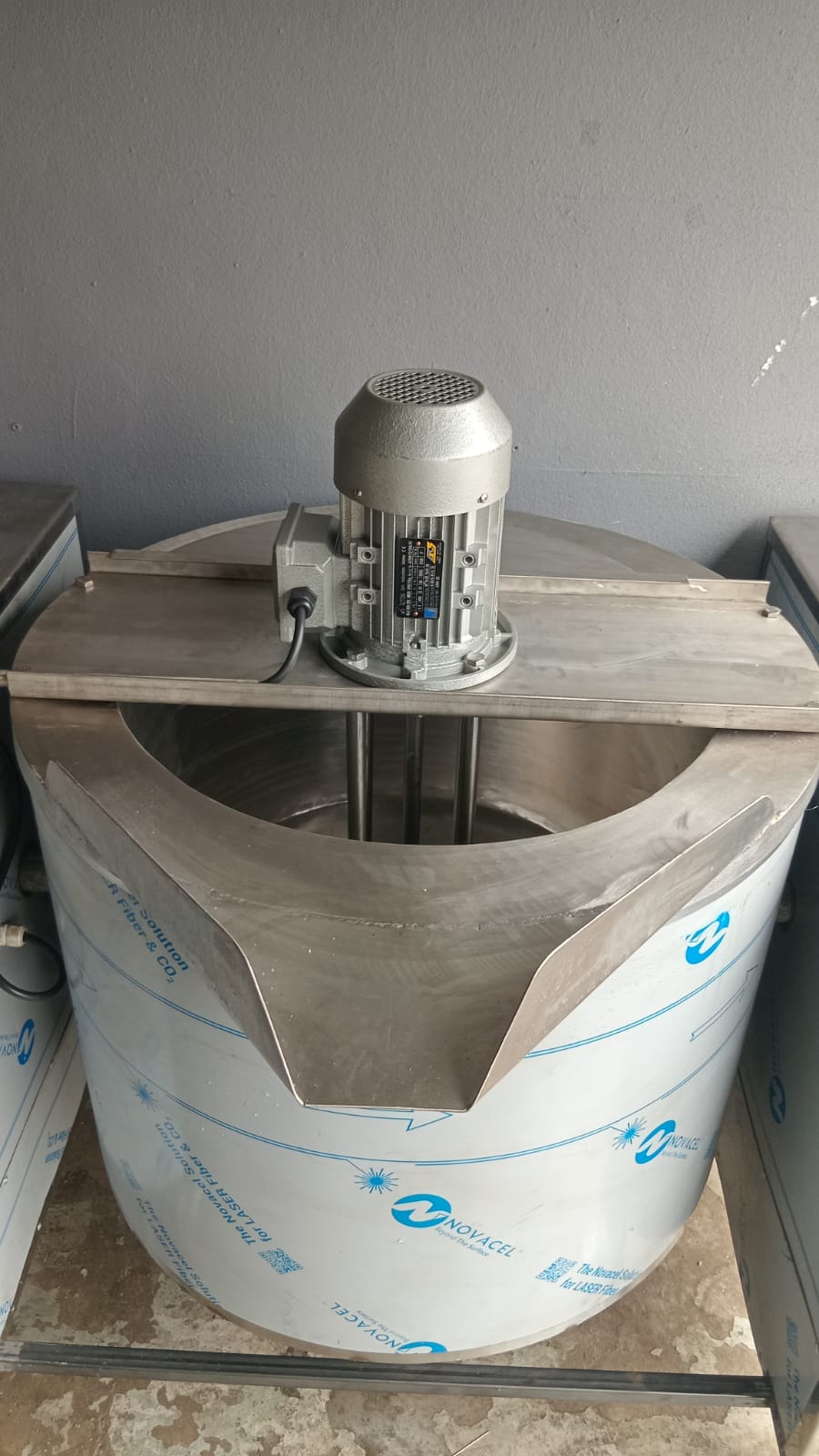
Homogenizer / Silverson Mixer Tilting Jacketed Tank – Complete Industrial Mixing Guide
In modern manufacturing, achieving a smooth, stable, and high-quality product is essential—especially in industries like cosmetics, food processing, and chemicals. One of the most advanced solutions for this is the homogenizer Silverson mixer tilting jacketed tank. This machine combines high-shear mixing, heating, and tilting functionality into a single system, making it ideal for producing creams, lotions, sauces, detergents, and more. What is a Homogenizer / Silverson Mixer Tilting Jacketed Tank? A homogenizer Silverson mixer tilting jacketed tank is an industrial mixing system that includes: This combination allows for efficient mixing, emulsification, and processing of complex formulations. How the Machine Works High-Shear Mixing The homogenizer rapidly breaks down particles and blends ingredients into a smooth mixture. Heating Through Jacket The jacket allows steam or electric heating to control temperature during processing. Emulsification Oil and water phases are combined into stable emulsions. Tilting Mechanism The tank can tilt for easy discharge of finished products, reducing waste and improving efficiency. Key Features High-Shear Homogenizer Ensures fine particle size and smooth texture. Jacketed Design Supports heating and cooling for temperature-sensitive products. Tilting System Allows easy emptying and cleaning. Stainless Steel Construction Ensures hygiene and durability (SS304 or SS316). Variable Speed Control Adjust mixing speed based on product requirements. Applications Across Industries Cosmetics Industry Used to produce creams, lotions, gels, and serums. Food Processing Ideal for sauces, mayonnaise, and emulsified products. Chemical Industry Used for detergents, cleaning agents, and industrial solutions. Pharmaceutical Industry Suitable for ointments and medicinal creams. Products You Can Manufacture With this machine, you can produce: Benefits of Using This Equipment Superior Product Quality Produces smooth and stable emulsions. Multi-Functionality Combines mixing, heating, and discharge in one machine. Increased Efficiency Reduces production time and manual handling. Easy Operation User-friendly controls and automation options. Hygienic Processing Meets industry standards for cleanliness. Capacity Options Homogenizer tilting jacketed tanks are available in various sizes: Factors Affecting Price The cost depends on: Advanced systems with high-shear mixers and full automation cost more but deliver better performance. How to Choose the Right Machine For Startups Choose smaller capacity tanks with basic features. For Growing Businesses Opt for medium-sized tanks with homogenizers and heating. For Industrial Production Invest in large, fully automated systems with advanced controls. Why Invest in a Homogenizer Jacketed Tank? Conclusion A homogenizer Silverson mixer tilting jacketed tank is a powerful and versatile solution for modern manufacturing. With its ability to mix, heat, emulsify, and discharge efficiently, it is an essential investment for businesses in cosmetics, food, and chemical industries. Choosing the right system ensures better product quality, improved efficiency, and long-term business growth. FAQ Section (SEO Optimized) What is a homogenizer mixer used for?It is used to create smooth and uniform mixtures by reducing particle size. What is a jacketed mixing tank?It is a tank with a heating or cooling layer to control temperature during processing. Why is a tilting tank important?It allows easy discharge of products and simplifies cleaning. Which industries use homogenizer mixing tanks?Cosmetics, food processing, pharmaceuticals, and chemical industries.