
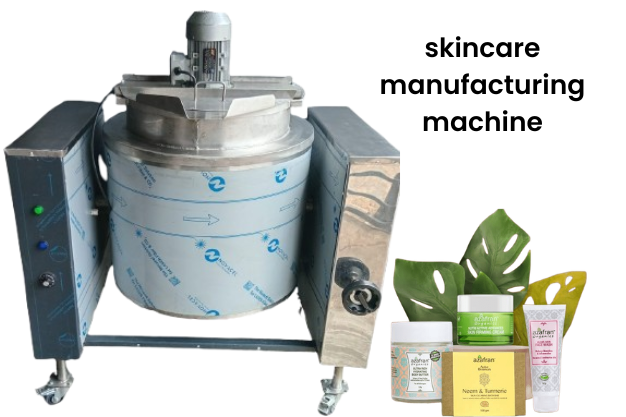
The skincare industry is one of the fastest-growing sectors in the beauty market, with increasing demand for products such as creams, lotions, serums, and body care solutions. For entrepreneurs and manufacturers, setting up a skincare production line offers a strong opportunity to build a profitable and scalable business. A skincare production line includes all the equipment and processes required to manufacture, fill, and package skincare products efficiently while maintaining quality and hygiene standards. What is a Skincare Production Line? A skincare production line is a complete system used to produce cosmetic products from raw materials to finished packaged goods. It combines multiple machines to handle mixing, processing, and packaging. Products manufactured include: Key Equipment Required To set up a skincare production line, you need the following essential machines: Mixing and Emulsifying Machine Used to blend ingredients and create smooth, stable formulations. Homogenizer Ensures uniform particle size and improves product texture. Heating and Cooling System Maintains proper temperature during production. Storage Tanks Stores raw materials and finished products. Filling Machine Fills products into jars, bottles, or tubes. Capping Machine Seals containers securely. Labeling Machine Applies branding and product information. Step-by-Step Production Process Raw Material Preparation Ingredients such as oils, water, emulsifiers, and active compounds are measured and prepared. Mixing Ingredients are blended in a mixing tank to form a base solution. Heating and Emulsification Heat is applied while mixing to combine oil and water phases into a stable emulsion. Homogenization The mixture is processed to achieve a smooth and consistent texture. Cooling The product is cooled to stabilize its structure. Filling and Packaging Finished products are filled, sealed, and labeled for distribution. Types of Skincare Production Lines Small-Scale Production Line Ideal for startups and small businesses with limited production capacity. Semi-Automatic Production Line Suitable for growing businesses with moderate output. Fully Automatic Production Line Designed for large-scale industrial production with minimal manual intervention. Cost of Setting Up a Skincare Production Line The cost depends on several factors: Small Setup Medium Setup Large Industrial Setup Other cost factors include: Space and Facility Requirements A skincare production facility should include: Maintaining cleanliness and proper layout is essential for efficiency and compliance. Benefits of Setting Up a Skincare Production Line Full Control Over Production Ensures consistent quality and brand standards. Increased Profit Margins Eliminates reliance on third-party manufacturers. Scalability Allows businesses to expand production as demand grows. Product Innovation Enables development of new skincare formulations. Challenges to Consider Initial Investment Equipment and setup costs can be significant. Quality Control Maintaining consistent product quality is essential. Regulatory Compliance Products must meet safety and industry standards. Tips for Success Start Small and Scale Begin with a manageable setup and expand as demand increases. Focus on Quality High-quality products build customer trust and brand reputation. Invest in Good Equipment Reliable machinery ensures efficiency and long-term savings. Build Strong Branding Packaging and marketing play a key role in success. What You Can Produce With a skincare production line, you can manufacture: This allows for a diverse product range. Conclusion Setting up a skincare production line is a strategic investment for anyone looking to enter the beauty and personal care industry. With the right equipment, processes, and planning, businesses can produce high-quality products efficiently and scale operations over time. By understanding the equipment, costs, and production workflow, you can build a successful and sustainable skincare manufacturing business. FAQ Section (SEO Optimized) What equipment is needed for a skincare production line?Mixing machines, homogenizers, storage tanks, filling machines, and packaging equipment are required. How much does it cost to set up a skincare production line?Costs vary depending on capacity and automation level, from small setups to large industrial systems. Can I start a skincare production line on a small scale?Yes, small-scale setups are ideal for startups and product testing. Is skincare manufacturing profitable?Yes, due to high demand and strong market growth.
How to Produce Dishwashing Liquid Using Industrial Mixing Equipment
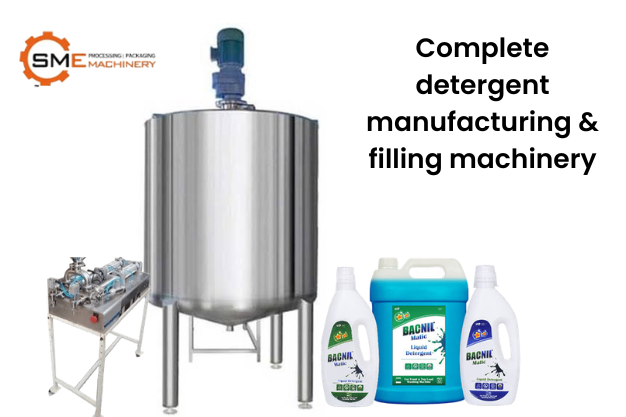
Dishwashing liquid is one of the most in-demand household cleaning products, making it a highly profitable business opportunity. With the right formulation and equipment, manufacturers can produce high-quality dishwashing liquid efficiently and at scale. Using industrial mixing equipment, businesses can ensure consistent quality, proper blending, and efficient production. This guide explains the complete process of producing dishwashing liquid using industrial machines. What is Dishwashing Liquid? Dishwashing liquid is a cleaning solution used to remove grease, food residue, and stains from dishes. It is typically made from a combination of surfactants, water, and additives that enhance cleaning performance and fragrance. Equipment Needed To produce dishwashing liquid efficiently, the following equipment is required: An industrial mixing tank is the core machine, as it ensures all ingredients are properly blended. Raw Materials Required The typical ingredients used in dishwashing liquid production include: The formulation can be adjusted depending on product quality and target market. Step-by-Step Production Process Step 1: Water Preparation Fill the industrial mixing tank with the required amount of clean water. Water acts as the base for the solution. Step 2: Adding Surfactants Slowly add surfactants into the tank while mixing. This is the main cleaning component that removes grease and dirt. Step 3: Mixing Process Use the agitator to mix the solution thoroughly. Maintain a steady mixing speed to avoid excessive foam formation. Step 4: Thickening Add salt gradually to increase viscosity. This step controls the thickness of the dishwashing liquid. Step 5: Adding Additives Add fragrance, color, and preservatives to enhance the product’s appearance and shelf life. Step 6: Homogenization (Optional) Use a homogenizer to achieve a smooth and uniform texture. Step 7: Quality Check Check the consistency, pH level, and appearance of the product to ensure it meets quality standards. Step 8: Filling and Packaging Transfer the finished product into bottles using a filling machine. Seal and label the containers for distribution. Key Production Tips Avoid Excess Foam Mix at controlled speeds to prevent foaming during production. Use Quality Raw Materials High-quality ingredients improve cleaning performance and customer satisfaction. Maintain Proper Ratios Incorrect formulation can affect product performance and consistency. Ensure Hygiene Clean equipment thoroughly before and after production. Benefits of Using Industrial Mixing Equipment Consistent Quality Ensures uniform mixing across all batches. High Efficiency Reduces production time and increases output. Scalability Suitable for both small and large-scale production. Reduced Labor Automation minimizes manual work. Production Capacity Depending on the size of the mixing tank: Cost of Production Production costs depend on: Using industrial equipment helps reduce long-term costs by improving efficiency. Why Start a Dishwashing Liquid Business? Conclusion Producing dishwashing liquid using industrial mixing equipment is an efficient and profitable process. With the right formulation and machinery, businesses can produce high-quality cleaning products that meet market demand. By following proper mixing procedures and maintaining quality standards, manufacturers can build a successful and scalable detergent business. FAQ Section (SEO Optimized) What machine is used to make dishwashing liquid?An industrial mixing tank with an agitator is the main machine used. Can I produce dishwashing liquid on a small scale?Yes, small mixing tanks are suitable for startup production. What is the main ingredient in dishwashing liquid?Surfactants are the primary cleaning agents. Is dishwashing liquid production profitable?Yes, due to constant demand and relatively low production costs.
Industrial Mixing Tank Price Guide in South Africa – Complete Buying Guide
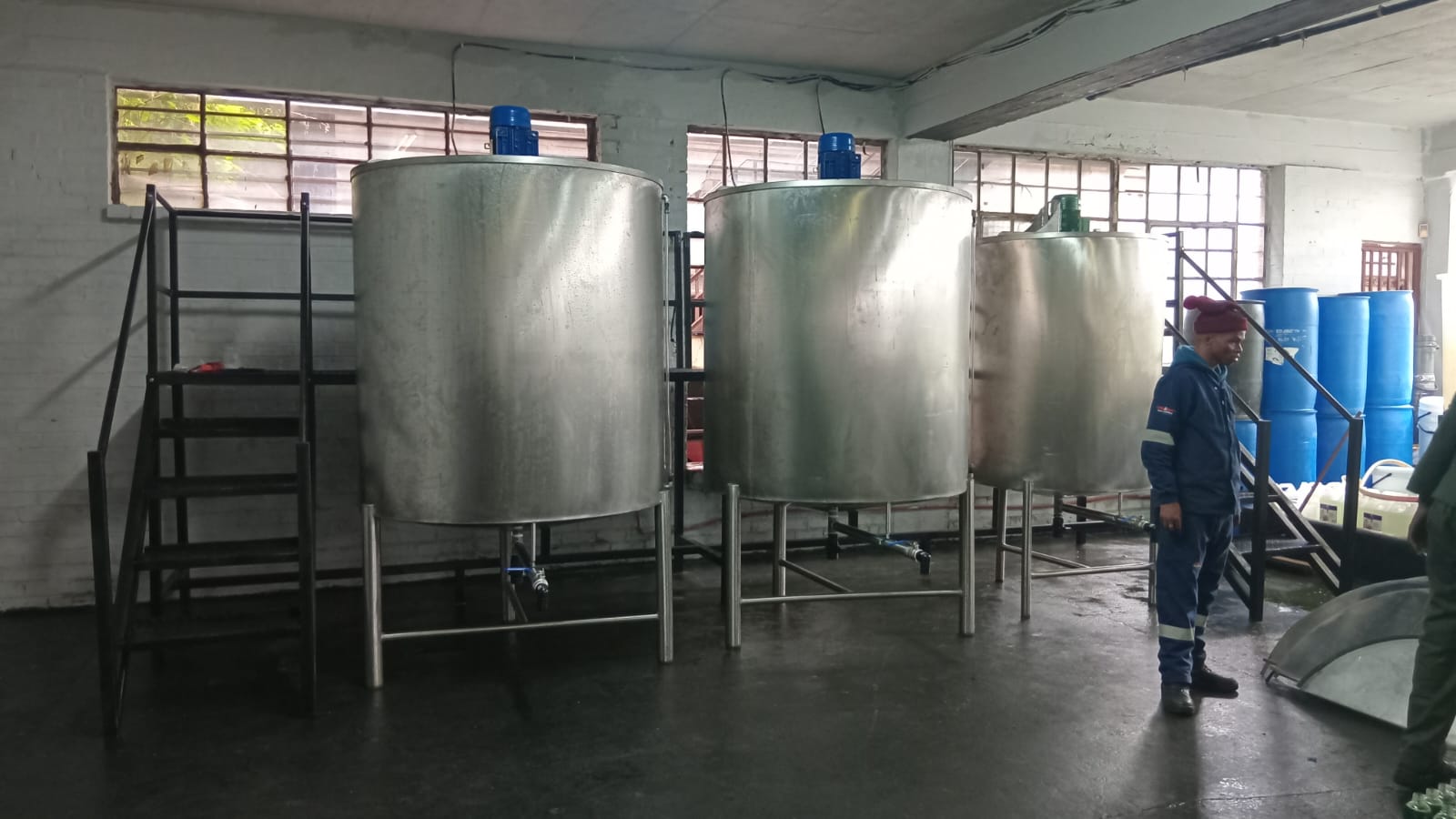
Industrial mixing tanks are widely used across multiple industries, including food processing, cosmetics, chemicals, and pharmaceuticals. These tanks play a critical role in blending, heating, and processing raw materials into finished products. Understanding the industrial mixing tank price in South Africa helps businesses choose the right equipment based on production needs, budget, and scalability. What is an Industrial Mixing Tank? An industrial mixing tank is a stainless steel vessel designed to mix, blend, or process liquids and semi-solid materials. These tanks are commonly equipped with agitators, mixers, or homogenizers to ensure uniform consistency. They are used to produce: Average Industrial Mixing Tank Prices in South Africa Prices vary depending on size, features, and level of automation. Below is a general pricing guide: Small Mixing Tanks (50L – 100L) Medium Mixing Tanks (200L – 500L) Large Industrial Tanks (1000L and above) Advanced Mixing Systems (Heated or Homogenizer Tanks) Factors That Affect Mixing Tank Prices Capacity (Size) Larger tanks require more materials and engineering, making them more expensive. Material Type Heating and Cooling Systems Jacketed tanks with heating or cooling features increase the overall price. Mixing Technology Automation Level Manual systems are cheaper, while fully automated systems are more expensive. Types of Industrial Mixing Tanks Stainless Steel Mixing Tank Used for general mixing in food, cosmetics, and chemicals. Jacketed Mixing Tank Includes heating or cooling for temperature-sensitive products. Homogenizer Mixing Tank Used for producing smooth and stable emulsions like creams and lotions. Agitator Mixing Tank Basic mixing solution for liquids and low-viscosity products. Industries That Use Mixing Tanks Industrial mixing tanks are essential in: These industries rely on efficient mixing systems to maintain product quality and consistency. What You Can Produce With an industrial mixing tank, businesses can manufacture: This versatility makes mixing tanks a valuable investment. How to Choose the Right Mixing Tank For Startups For Growing Businesses For Industrial Production Benefits of Investing in an Industrial Mixing Tank Improved Product Consistency Ensures uniform mixing across all batches. Increased Efficiency Reduces production time and manual effort. Hygienic Production Stainless steel design meets industry standards. Scalability Supports business growth and expansion. Why Invest in South Africa? South Africa offers strong opportunities for manufacturing due to: Investing in industrial equipment allows businesses to capitalize on these opportunities. Conclusion The industrial mixing tank price in South Africa depends on capacity, features, and automation level. Small units are affordable for startups, while large, advanced systems require a higher investment but offer greater efficiency and scalability. Choosing the right mixing tank ensures consistent product quality, improved production efficiency, and long-term business growth. FAQ Section (SEO Optimized) What is the price of an industrial mixing tank in South Africa?Prices range from around R25,000 for small tanks to over R150,000 for large industrial systems. What is the best mixing tank for cosmetics?A homogenizer mixing tank is ideal for producing creams and lotions. Can I start with a small mixing tank?Yes, small tanks are suitable for startups and product testing. What materials are used for mixing tanks?Most tanks are made from stainless steel such as SS304 or SS316.