
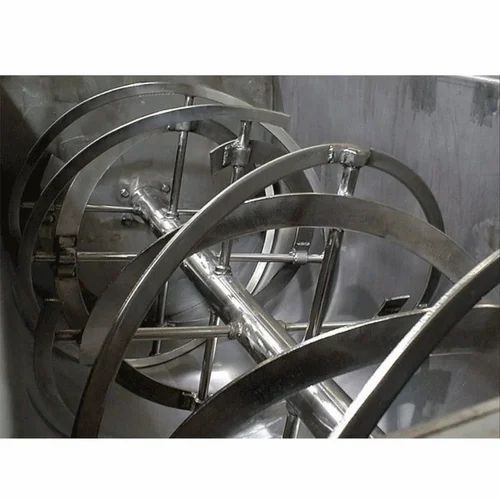
What Is a Paddle Mixer? A paddle mixer is a mixing machine that uses rotating paddles inside a trough or chamber to stir, mix, or blend powders, granules, or light solids — sometimes even viscous materials or slurries. It’s commonly used in industries such as detergents, feed, chemicals, pharmaceuticals, and small-batch manufacturing. For smaller producers — startups, SMEs, artisanal manufacturers — a small paddle mixer offers a cost-effective way to blend powders or semi-dry materials without needing large industrial-scale equipment. Why Choose a Small Paddle Mixer? What You Get with a Small Paddle Mixer (Typical Features & Capacity) Depending on the model and manufacturer, small paddle mixers often come with: In many cases, small paddle mixers are ideal for dry-powder mixing, animal feed, detergents, chemicals, powders, granulates, or even prepared mixtures that don’t require heavy shear or high viscosity handling. Typical Price Range & What to Expect (South Africa & Global Context) Based on available local machines and small mixer offerings: Because paddle mixers cover a broad capacity and build quality spectrum, you should match price expectations with your actual production needs (volume, material type, batch frequency). What to Check When Buying a Small Paddle Mixer To make sure you get good value and suitable performance, check: Who Should Consider Buying a Small Paddle Mixer? A small paddle mixer is a good fit for: Advantages & Limitations of Small Paddle Mixers ✅ Advantages ⚠️ Limitations Final Thoughts: Is a Small Paddle Mixer Worth It? If you produce or plan to produce powdered or dry-mixed products — such as detergents, feed, chemicals, powders — and you are at the stage of scaling from manual mixing, a small paddle mixer is often the most cost-effective and practical investment. It provides consistent mixing, reasonable throughput, manageable overheads, and flexibility for small to medium-size production runs. For many small businesses and startups, it represents a good balance between price, performance, and scalability. Choose a mixer with the right capacity and build quality — and with proper operation and maintenance, it can serve reliably and help you grow your output without overspending.
Used Washing Powder Machine for Sale in South Africa – Buyer’s Guide
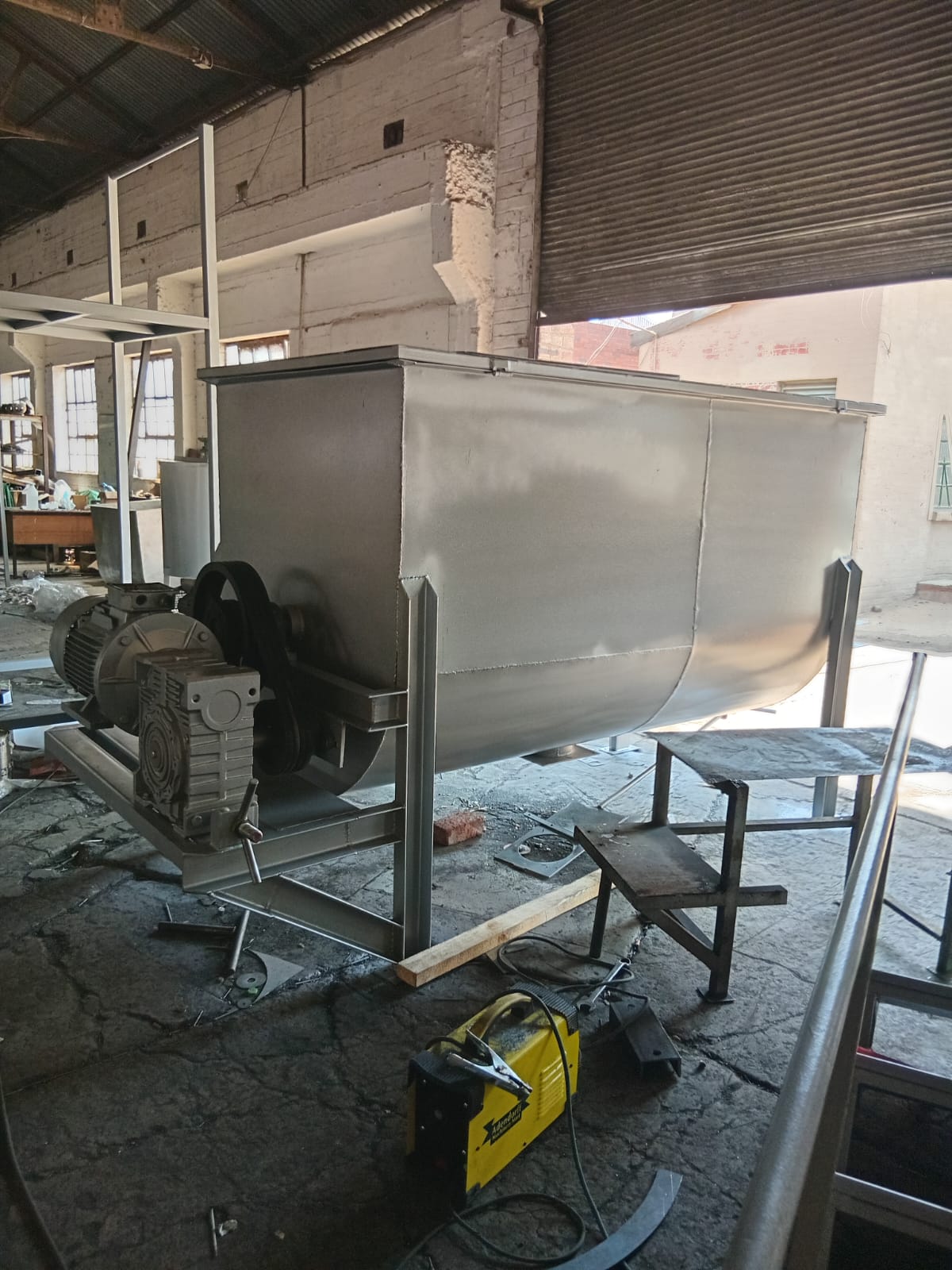
🧪 What Is a “Washing Powder Machine” A “washing powder machine” refers broadly to any equipment used to produce powdered detergents — including blenders/mixers, sifters, grinders, filling & packing machines, and full detergent-powder production lines. A used washing powder machine is a pre-owned unit — maybe from a previous factory, a closed business, or a partial line — which you can buy at a lower cost than new. For many small or medium operations, this can be a smart entry point into detergent manufacturing or expansion. ✅ Why Buying Used Makes Sense (and What You Save) 🔎 What to Check When Inspecting a Used Washing-Powder Machine Before you commit to buying, it’s crucial to inspect thoroughly. Key things to check: ⚠️ Advantages and Trade-Offs of Used Equipment 👍 Advantages ⚠️ Challenges / Risks 🏭 What a Used Washing-Powder Production Setup Might Look Like When buying used, you may assemble a functional production line by combining: This setup — even though used — can offer a cost-effective entry pathway into detergent powder manufacturing, especially for small/medium output or as a pilot setup. 💡 Who Should Consider a Used Washing Powder Machine A used washing-powder machine makes sense if you: 🛠️ Practical Tips for Buying Used Washing-Powder Equipment ✅ Conclusion — Used Machines: Smart Entry Point with Caution Buying a used washing powder machine can offer a cost-effective, lower-risk route into detergent production. For startups, small manufacturers, or anyone testing the waters, it represents a practical entry — saving capital while allowing flexibility. However — success depends on careful inspection, realistic assessment of condition, and readiness to maintain or refurbish. When you choose wisely and do your homework, a used powder-production setup can serve well for years and deliver strong value for money.
Washing Powder Making Equipment South Africa
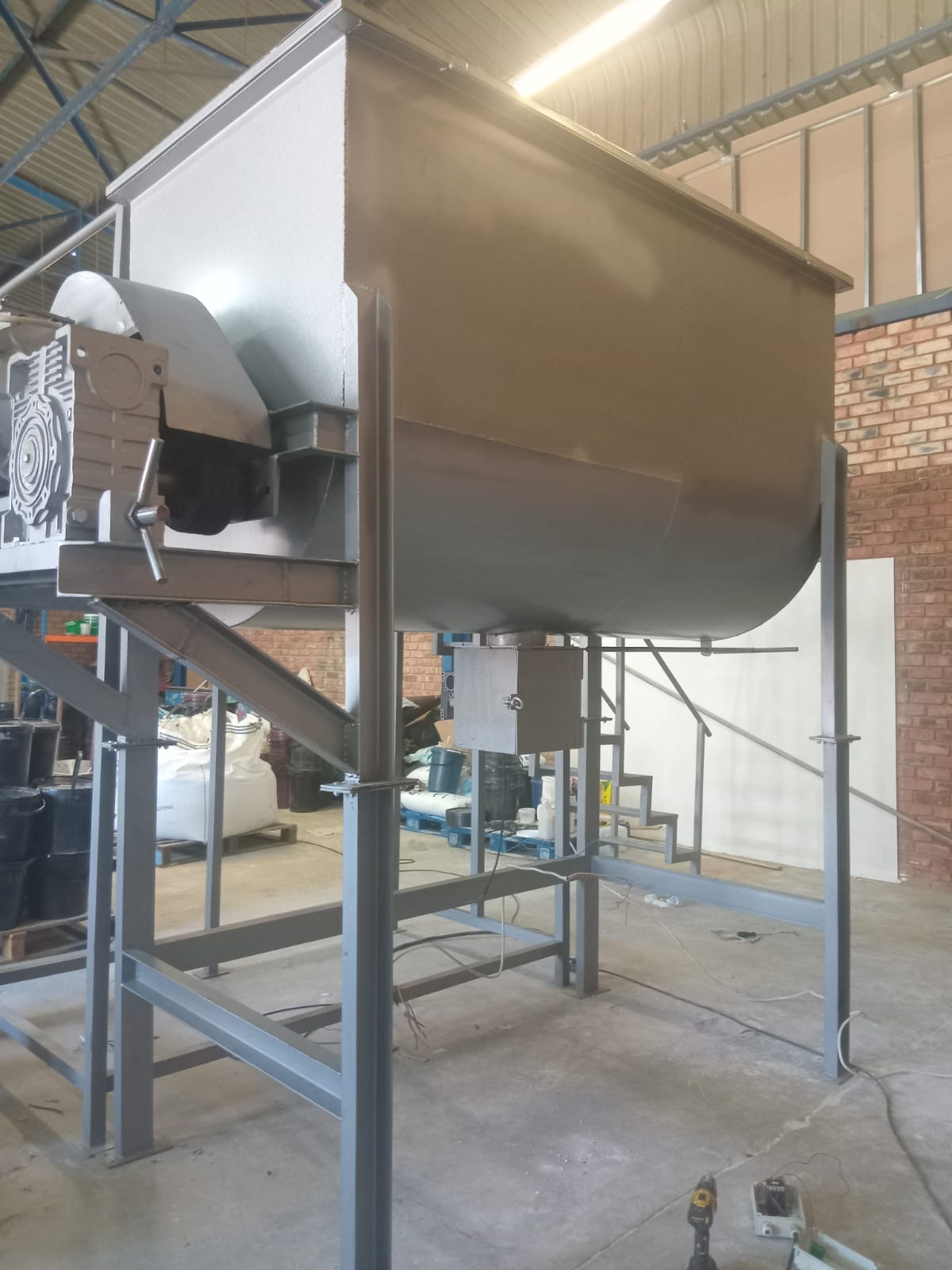
Washing Powder Making Equipment South Africa – Prices, Types & Complete Buyer Guide Washing powder remains one of the most in-demand household products in South Africa, making detergent manufacturing a profitable and scalable business model. Whether you are starting small from a home-based setup or looking to expand into full industrial production, choosing the right washing powder making equipment is the key to consistent quality, high output, and competitive pricing. This guide breaks down the essential machines, how they work, typical South African price ranges, and what to look for when building a reliable detergent production line. ⭐ Essential Washing Powder Making Equipment Below are the core machines used in producing high-quality washing powder at commercial scale: 1. Ribbon Blender / Powder Mixer The ribbon blender is the heart of washing powder manufacturing. It ensures all the raw materials blend evenly without clumping. Functions: Typical Sizes: South African Price Range: 2. Pulveriser / Crusher / Grinder This machine breaks down lumps and ensures a fine, smooth washing powder texture. Functions: Price Range: 3. Sieving Machine / Vibrating Sifter Ensures the final powder is smooth and free of large particles. Why It’s Important: Price Range: 4. Conveyor System (Optional) Makes production faster by moving powder between machines. Uses: 5. Packaging Machine A must-have for professional detergent brands. Packaging Equipment Options: Price Range: ⭐ How Washing Powder is Made – Simplified Steps ⭐ Price Guide for Full Washing Powder Production Line (South Africa) Production Level Equipment Included Approx. Cost Small Startup 50–100 L mixer, grinder, manual packaging R25,000 – R45,000 Medium Business 200–300 L mixer, grinder, sifter, semi-auto packer R55,000 – R110,000 Large Commercial Plant 500 L+ mixer, conveyor, grinder, sifter, automatic packer R120,000 – R300,000+ Your final budget depends on: ⭐ Who Should Invest in Washing Powder Making Equipment? ⭐ Benefits of Washing Powder Manufacturing ⭐ How to Choose the Best Equipment ✔ Choose the correct mixer size Match to your daily production goals. ✔ Stainless steel where possible For durability and hygiene. ✔ Check motor power Stronger motors handle thick mixes better. ✔ Look for easy cleaning Especially on mixers and grinders. ✔ Compare maintenance requirements Spare parts should be accessible locally. ✔ Consider future expansion It’s cheaper to plan for growth upfront. Final Thoughts Washing powder manufacturing remains one of South Africa’s most profitable production businesses. With the right washing powder making equipment, you can produce high-quality detergent consistently, package professionally, and scale your operation into a competitive brand. Whether you’re starting small or building a full commercial plant, investing in reliable, well-sized equipment ensures efficiency, product quality, and long-term growth.