
South Africa’s demand for locally manufactured household and industrial cleaning products has grown steadily, driven by rising import costs, loadshedding-proof local supply chains, and a wave of small manufacturers entering the detergent, cosmetic, and personal care space. For entrepreneurs looking to move from hand-mixing in drums to a proper production line, the single biggest decision is choosing the right liquid detergent manufacturing machine.
This guide walks through what these machines actually do, how to size one correctly, what drives the cost, and the compliance issues South African producers often overlook until it is too late.
What a Liquid Detergent Manufacturing Machine Does
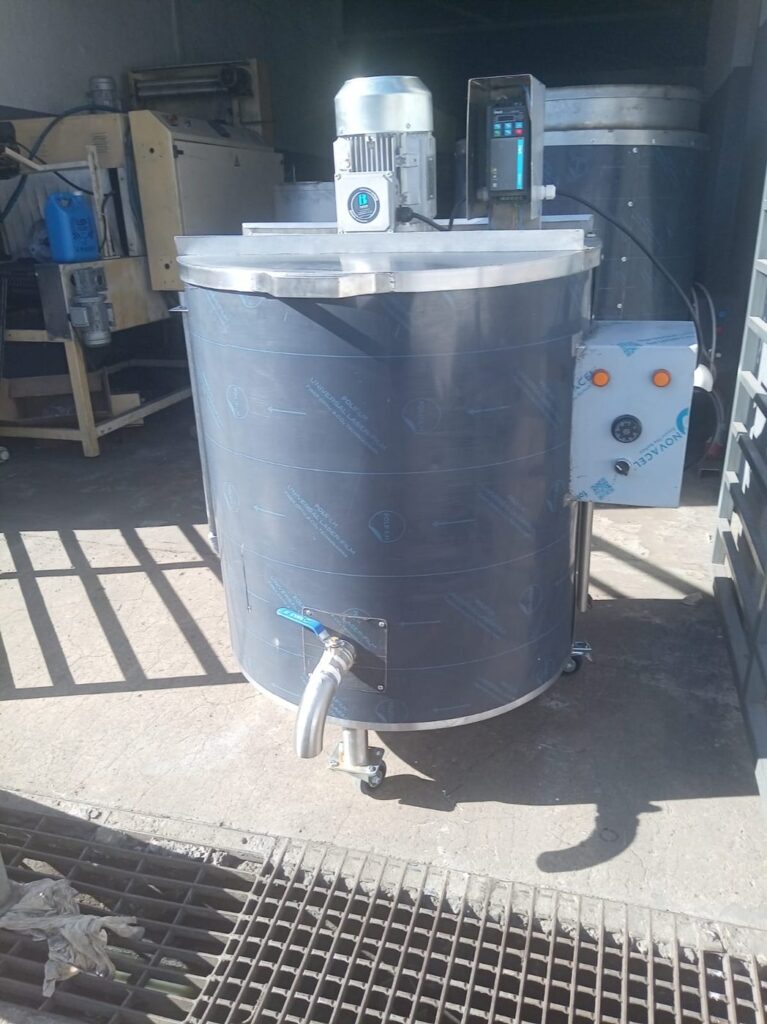
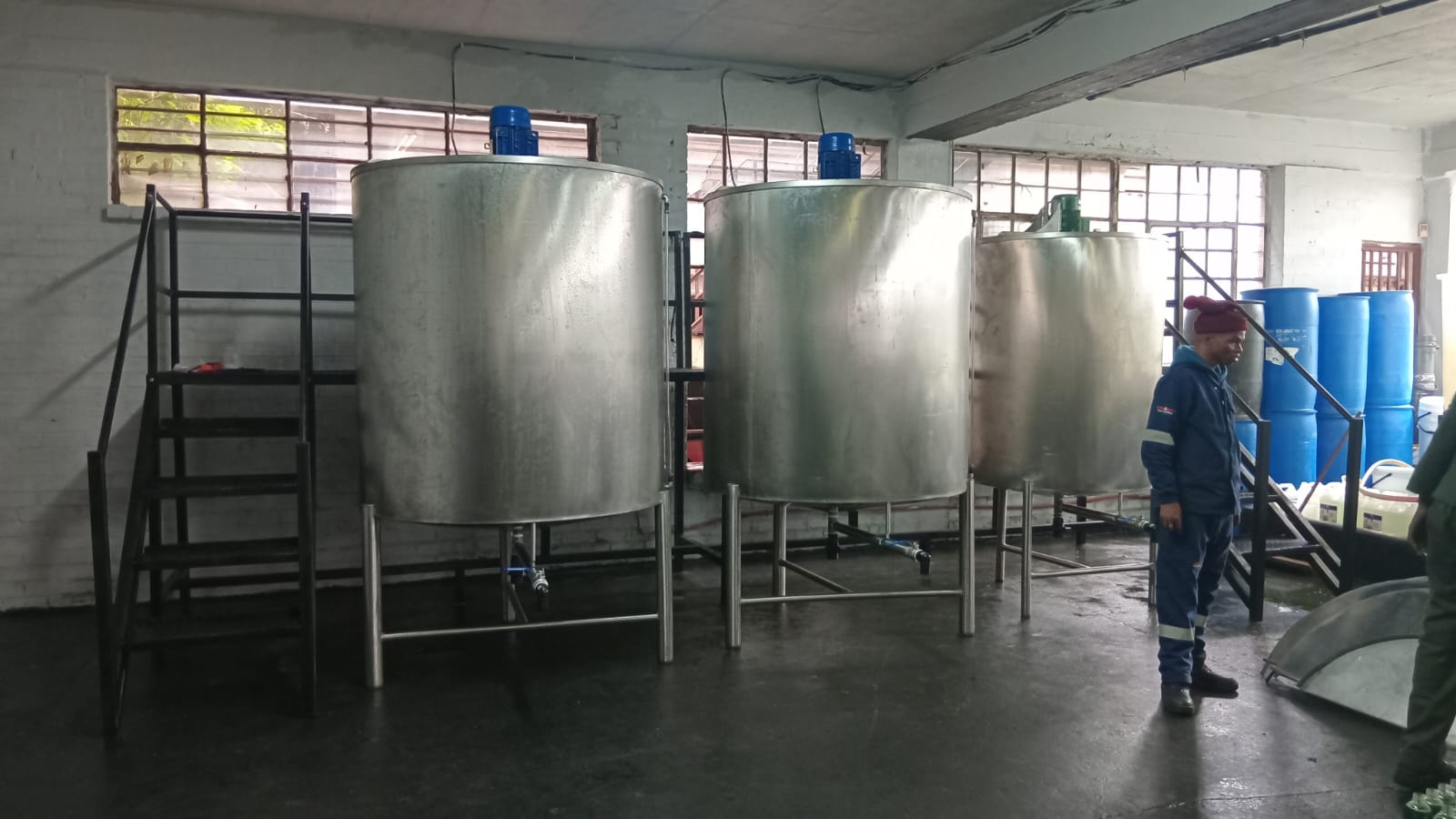
A liquid detergent manufacturing machine is built around a mixing tank — usually stainless steel, sized anywhere from 100 litres for a small operation to several thousand litres for commercial production. A motor-driven agitator or paddle blends raw materials (surfactants, water, thickeners, fragrance, colourants, and preservatives) into a stable, consistent liquid.
The better machines go beyond basic mixing. A jacketed tank allows heating or cooling during the process, which matters for formulations that need temperature control to blend properly or to speed up dissolving of solid raw materials. A variable-speed motor lets the operator mix gently during the early blending stage (to avoid excess foaming) and more vigorously once ingredients need to fully combine.
For producers running a liquid line alongside a powder line — like laundry liquid and washing powder — some setups use the same facility with a mixing tank for liquids and a separate ribbon blender or paddle mixer for powders, since the two product types need different mixing actions entirely.
Key Components to Look For
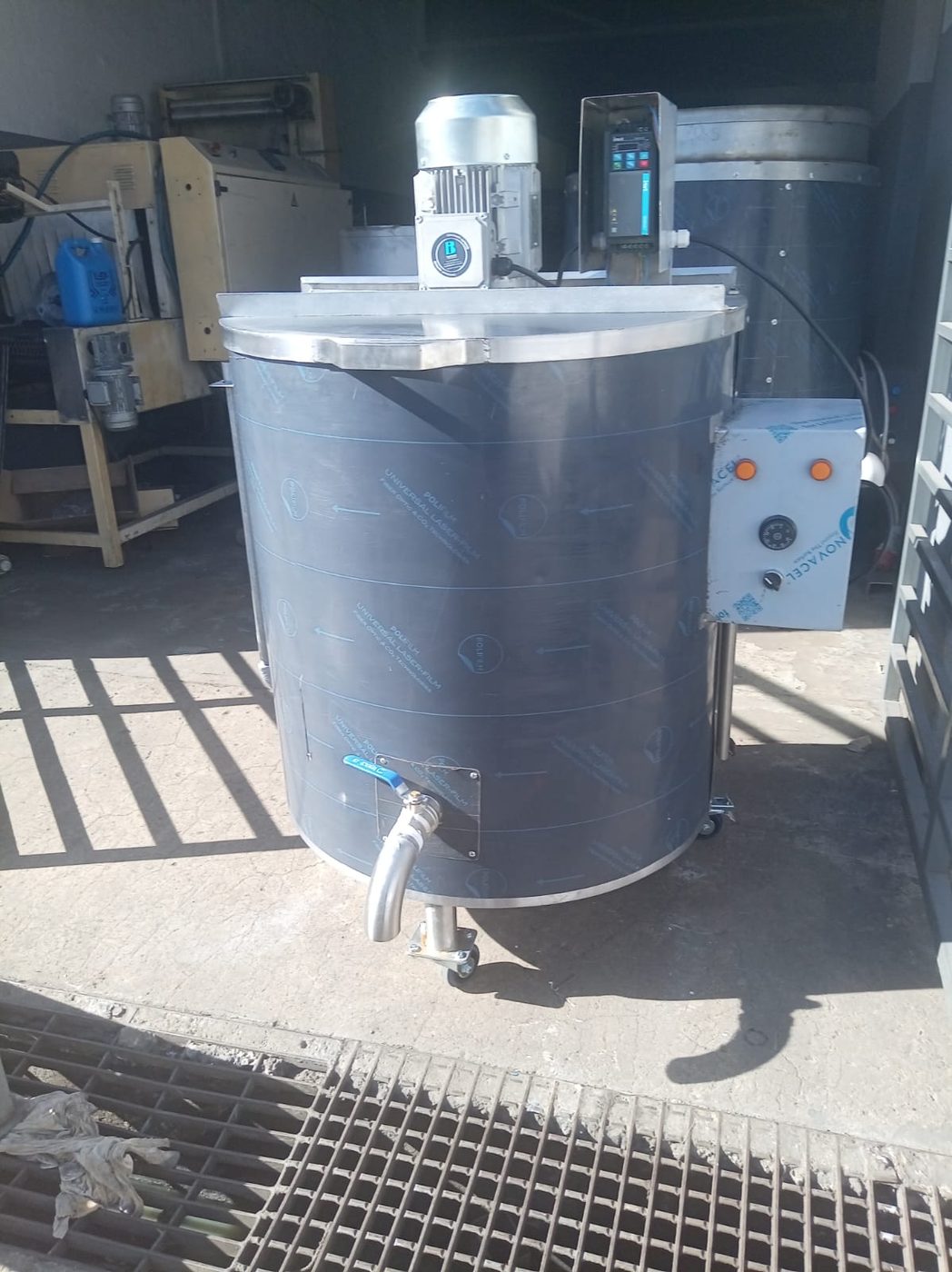
- Mixing tank — food-grade or chemical-grade stainless steel (304 or 316), with a lid to limit contamination and evaporation
- Agitator/motor — variable speed is strongly preferred over single-speed; look at motor power (kW) relative to tank volume
- Jacketed heating/cooling — optional but valuable for formulations with waxes, thickeners, or temperature-sensitive actives
- Dosing or dispensing valve — a bottom outlet valve speeds up transferring the finished liquid to filling equipment
- Control panel — basic on/off versus programmable timers and speed settings; programmable units reduce operator error
- Mobility — castor wheels on smaller units let you move the tank between mixing and filling stations without re-plumbing a fixed line
The Production Process, Step by Step
- Water charge — the tank is filled with water, usually first, to act as the base
- Surfactant addition — primary cleaning agents (such as SLES or LABSA-based surfactants) are added slowly while the agitator runs at low speed
- Thickening — salt or a thickening agent is introduced to bring the liquid to the desired viscosity; this is usually the most technical step, since over- or under-dosing visibly changes the product
- Additives — fragrance, colourant, preservative, and any functional additives (foam boosters, optical brighteners) go in last, once the base is stable
- Quality check — pH, viscosity, and appearance are checked against a batch standard before the liquid is released for filling
- Transfer to filling — the finished liquid is pumped or gravity-fed to a bottle or pouch filling line
Batch consistency depends heavily on mixing order and timing — this is why many first-time producers find their early batches vary until they lock down a written standard operating procedure for their specific formulation.
Choosing the Right Tank Size
Tank size is the most common buying mistake. Producers either oversize early (tying up capital in a 1,000-litre tank when they are selling 200 litres a month) or undersize and outgrow the machine within a year.
A practical way to size a tank:
- Estimate your realistic monthly volume for the next 12–18 months, not just current demand
- Divide by the number of batches you can reasonably run per week
- Add roughly 20% headroom for seasonal spikes (laundry liquid demand rises before back-to-school and festive season, for example)
For most small and growing South African producers, a 200–500 litre jacketed tank is the common sweet spot — large enough to serve a handful of retail or wholesale accounts, small enough to keep upfront cost manageable. Businesses supplying national retail chains or large contracts typically move to 1,000 litres and up.
What Drives the Cost
Pricing on liquid detergent manufacturing machines varies widely based on several factors, so treat any figure you see online as a rough guide rather than a quote:
- Tank capacity — cost scales with litres, but not linearly; smaller tanks carry a higher cost per litre of capacity
- Material grade — 316 stainless steel (more corrosion-resistant) costs more than 304
- Jacketing — a jacketed tank for heating/cooling adds meaningfully to the price over a plain mixing tank
- Motor and control sophistication — variable-speed drives and programmable controls cost more than fixed-speed, manual units
- Import origin — locally assembled or serviced machines may carry a premium over directly imported units, but usually come with easier access to spares and support
- Finance vs cash — rent-to-own and finance options reduce the upfront outlay but add total cost over the term
The only reliable way to get an accurate number is to request a quote against your actual volume, formulation type, and budget — equipment suppliers will size and price a machine specifically for your production target rather than selling you a generic unit.
Quality, Labelling, and Compliance in South Africa
Buying the machine is only part of the picture. South African detergent producers need to account for:
- NRCS compulsory specifications — certain household chemical products fall under National Regulator for Compulsory Specifications requirements; check whether your specific product category needs approval before you sell
- SABS standards — while not always compulsory, SABS marks build retail and wholesale trust, especially when pitching to chain stores
- Labelling requirements — ingredient disclosure, hazard symbols for irritant or corrosive products, net content in metric units, and manufacturer contact details are generally required under consumer protection and chemical safety regulations
- MSDS (Material Safety Data Sheets) — needed for raw materials and often requested by wholesale or export buyers
- Batch traceability — keeping batch codes and records protects you if a quality issue ever needs to be traced back
Many new producers only discover these requirements after a retail buyer or distributor asks for compliance documents — building this into your setup from day one avoids a costly scramble later.
Common Mistakes First-Time Buyers Make
- Buying on price alone — the cheapest tank often means thinner-gauge steel, a weaker motor, or no after-sales support, all of which cost more in downtime later
- Ignoring spare parts and service access — a machine that breaks down with no local technician or spare seals/gaskets available can stall production for weeks
- Underestimating viscosity control — thickening is the hardest part of liquid detergent production to get consistent; an underpowered agitator struggles once the liquid thickens
- No test batch before committing — running a trial batch on a demo or rented unit before buying confirms the machine suits your actual formulation
- Skipping finance comparison — rent-to-own and asset finance options can preserve cash flow for raw materials and marketing in the critical early months, but are often not even considered
Why Work With a Dedicated Machinery Supplier
Generic imported equipment can be cheaper upfront, but a supplier that specialises in food, beverage, cosmetic, and chemical processing machinery for the South African SME market brings three things a generic import usually cannot:
- Local support and installation — getting a technician on-site when something goes wrong, rather than shipping a part back to the country of origin
- Guidance on sizing and customisation — matching tank size, motor power, and jacketing to your specific product and container type
- Finance options built for SMEs — rent-to-own and flexible finance structured for a business that is still proving out its sales, not just large manufacturers
This is the gap a nationwide South African machinery supplier fills for a first-time or growing detergent producer.
Frequently Asked Questions
Can one machine make both liquid and gel detergents? Most liquid detergent mixing tanks can handle both, since gel formulations are essentially a liquid base thickened further. Very thick pastes or cream products may need a higher-torque mixer.
How long does a typical batch take? Depending on tank size and formulation, a batch commonly takes 30–90 minutes of active mixing time, plus quality checks before release.
Do I need a jacketed tank if I’m only making cold-process liquid detergent? Not necessarily. If your formulation blends fully at room temperature, a non-jacketed tank saves cost. Jacketing becomes valuable once your formulation includes waxes, certain thickeners, or ingredients that dissolve faster when warmed.
Can these machines be customised for my container sizes? Yes — outlet valve height, dosing nozzles, and tank shape can usually be adjusted to suit your bottle or pouch filling setup.
Is finance available for this equipment? Rent-to-own and asset finance options are commonly available through equipment suppliers, which can be worth exploring if you want to preserve working capital for raw materials and marketing.
Final Thoughts
A liquid detergent manufacturing machine is the foundation of a scalable cleaning products business — but only when it’s matched to your actual production volume, formulation, and growth plan. Oversizing wastes capital; undersizing means replacing the machine within a year.
If you’re planning a detergent line, get expert guidance on tank size, jacketing, and motor specification before you buy, and ask about finance options if preserving cash flow for raw materials and marketing matters in your first year.
If you’re still planning your business, our step-by-step guide on how to start a detergent manufacturing business in South Africa covers registration, startup costs and routes to market. To discuss tank size, jacketing or a complete powder and liquid detergent manufacturing line, contact SME Machinery for a quote.