
Mango achar is one of South Africa’s best-loved condiments. It sells in spaza shops, butcheries, supermarkets and at the braai, and demand is steady all year. For a small food business, achar is also one of the more accessible products to manufacture: the ingredients are simple, the shelf life is long, and the equipment needed to move from kitchen-scale to commercial production is well within reach.
The bottleneck for most producers is preparation. Cutting green mangoes by hand is slow, hard on staff and produces uneven pieces, and hand-mixing spice and oil into large batches rarely gives a consistent result. A mango achar processing machine solves both problems. This guide explains what the machines do, which ones you need at each stage of growth, and what to look for when you buy.
What Is a Mango Achar Processing Machine?
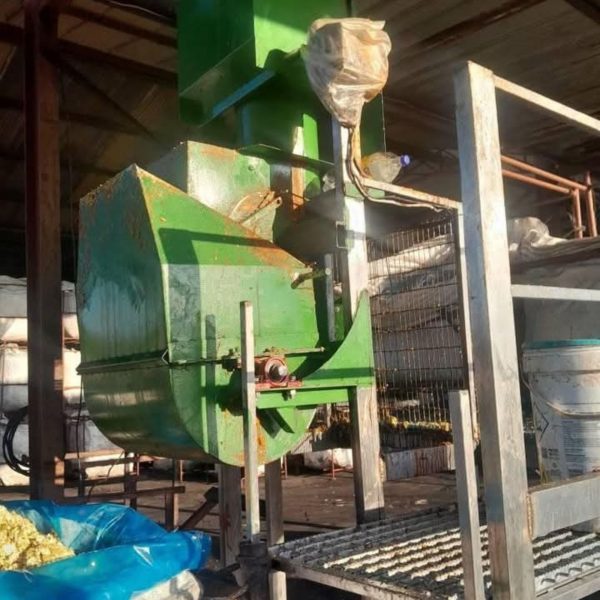
“Mango achar processing machine” usually refers to a set of machines rather than a single unit. Between them they take whole green mangoes through to filled jars of achar. The core of almost every line is a mango cutting machine, which chops the fruit into even pieces, and a mixer that coats those pieces evenly with masala, salt and oil. (If you’re turning mangoes into juice, pulp or puree instead, see our guide to mango processing machines.)
These machines are used by:
- Home-based and start-up achar producers moving to commercial volumes
- Butcheries, delis and caterers making achar for their own counters
- Food factories supplying retailers and wholesalers
- Producers of related products such as lemon, carrot and mixed vegetable atchar
How a Mango Achar Production Line Works
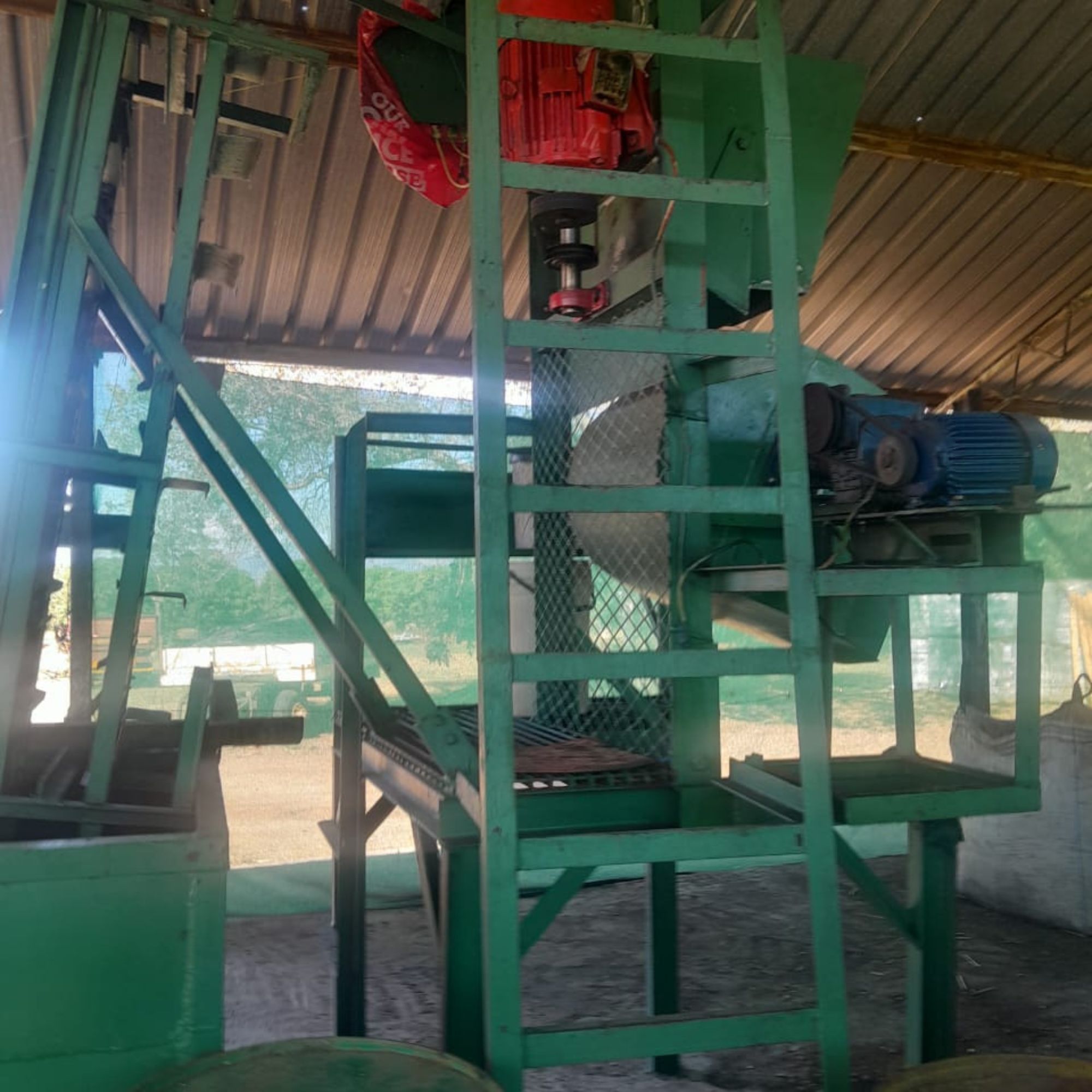
A typical line follows five steps. Small producers often do the first and last steps by hand and mechanise the middle, which is where most of the labour goes.
1. Washing
Green mangoes are washed to remove dirt, sap and residue. At small volumes this is done in sinks or tubs. Larger plants use a washing tank or spray conveyor.
2. Cutting
The mango cutting machine chops the whole fruit into uniform pieces. Even sizing matters: it controls how quickly the pieces absorb the masala and oil, and it gives the finished product a consistent look in the jar.
3. Spice and oil mixing
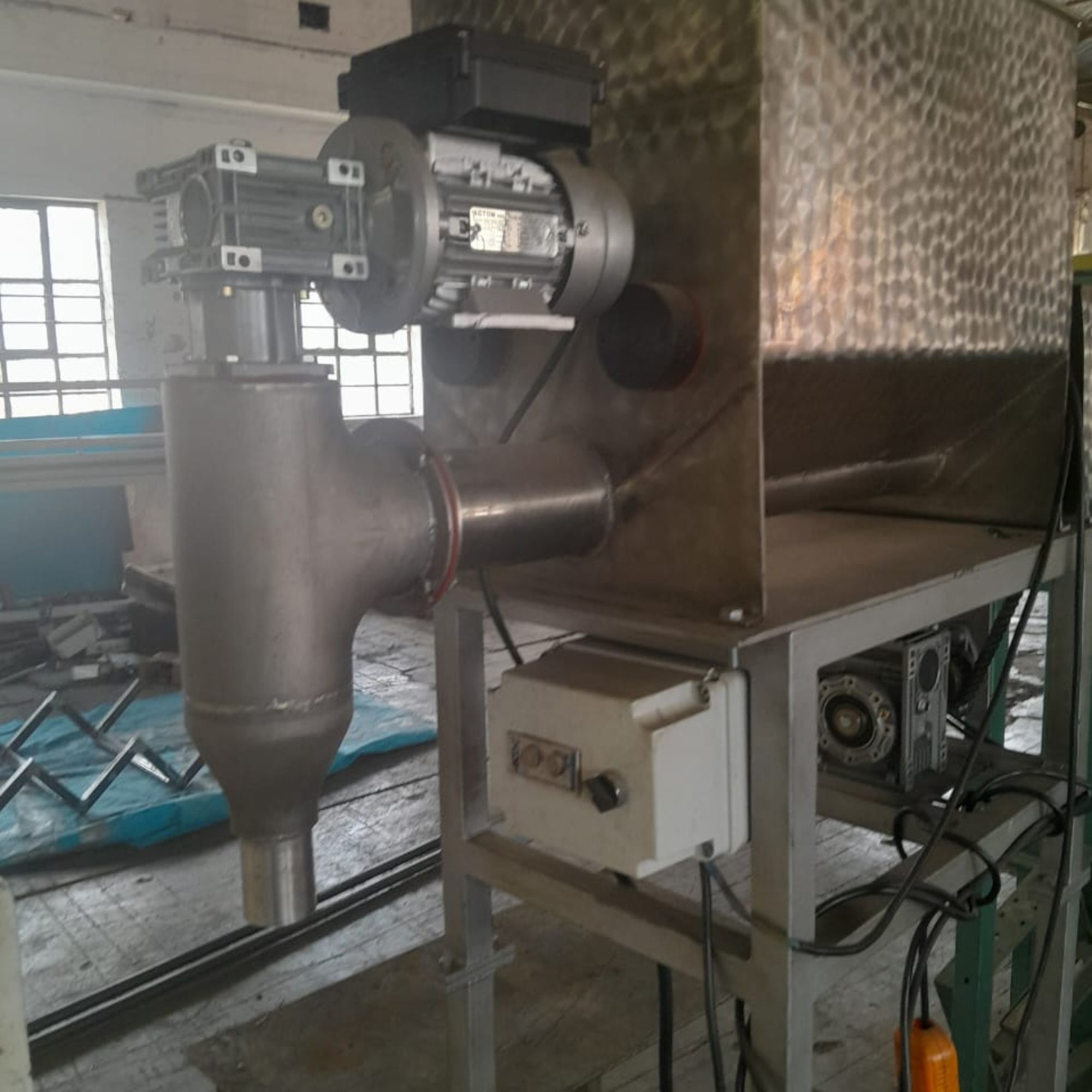
The cut mango is tumbled with masala, salt, oil and vinegar in a mango atchar mixing machine or paddle mixer. A machine mixer coats every piece the same way in every batch, which is very hard to achieve by hand at 50kg or more. Mixers are available for batches from about 50kg up to 500kg.
4. Curing
The mixed achar is left to cure in food-grade containers so the flavours develop. This step needs space and clean storage rather than machinery.
5. Filling and packaging
The finished achar is filled into jars, tubs, buckets or pouches. Capping or sealing machines close the containers securely to protect shelf life, and a labelling machine applies your branding and the product information required on food packaging. Filling, capping and labelling can each be manual, semi-automatic or fully automatic depending on your volumes. Chunky products with oil need a filler designed for particulates, such as a piston filler. See our filling machinery for options.
Which Machines Do You Need?
You don’t need a full automated line on day one. Most SME Machinery customers build up in stages:
- Start-up: a mango cutting machine, with mixing and filling done by hand. Cutting is where the biggest time saving is.
- Growing: add a mixing machine for consistent batches, then a semi-automatic filler once jar volumes justify it.
- Established: a complete line with cutter, mixer, filling, capping and labelling, sized to your daily output.
If you’re starting out on a tight budget, read our guide to affordable mango atchar cutting and filling machines for start-ups.
Benefits of Machine Processing
- Faster production: a cutting machine processes in minutes what takes a team hours by hand.
- Consistent quality: even pieces and even spice coverage make every jar taste the same, which matters when you supply retailers.
- Better hygiene: food-grade stainless steel contact parts are easier to clean and help you meet the requirements of your Certificate of Acceptability.
- Lower labour cost per kilogram: staff move from cutting to higher-value work such as packing and quality control.
- Room to grow: you can take on bigger orders without hiring in proportion.
- Better margins: faster production and less waste per batch mean more profit per jar.
What to Look For When Buying
- Food-grade stainless steel on all contact parts
- Cutting capacity matched to your daily mango volume, with room to grow
- Blades and a cutting chamber designed for firm green mangoes
- Easy access for cleaning between batches
- Locally available spares and service support
- A motor and electrical supply that suit your premises (single-phase or three-phase)
Mango Achar Processing Machine Price
Price depends on capacity, the number of machines in the line, the level of automation and the materials used. A single cutting machine for a start-up costs a fraction of a complete production line. Because every producer’s volumes and premises are different, the best way to get an accurate figure is to ask for a quote based on how many kilograms of mango you plan to process per day. Second-hand machines are another option for tight budgets. See our guide to used mango cutting machines in South Africa.
Frequently Asked Questions
What is a mango achar processing machine used for? It is used to cut green mangoes into even pieces and mix them with spices and oil for achar production. A complete line also includes washing, filling and labelling equipment.
Can mango achar production be automated? Yes. Cutting, mixing and filling can all be mechanised. Most small producers start by mechanising cutting and add mixing and filling as volumes grow.
Does the machine cut through the mango seed? Many achar recipes keep the soft young seed of green mangoes, and some cutting machines are built to chop whole fruit. Others need the seed removed first. Confirm this with your supplier before buying so the machine matches your recipe.
Can the same machine be used for other atchar products? Often, yes. Many producers use the same cutting and mixing equipment for lemon, carrot and mixed vegetable atchar. Ask about blade options for the products you plan to make.
Final Thoughts
A mango achar processing machine is the most effective way to turn a home recipe into a commercial product with consistent quality and a lower cost per jar. Start with the machine that removes your biggest bottleneck, usually cutting, and build the line as your orders grow. SME Machinery manufactures mango atchar cutting and filling machinery in South Africa. Contact us for advice and a quote.