
Introduction
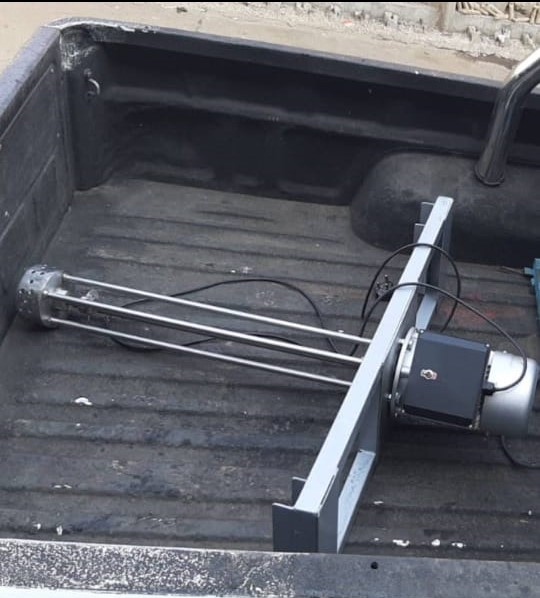
A lab homogenizer mixer is a critical piece of equipment used in laboratories, pilot plants, and R&D facilities where precise mixing, emulsifying, dispersing, and particle size reduction are required. Designed for accuracy and repeatability, lab homogenizers are essential in industries such as pharmaceuticals, cosmetics, food science, chemicals, biotechnology, and detergents.
Whether used for formulation development, quality testing, or small-scale production, a laboratory homogenizer ensures consistent results before scaling to industrial manufacturing.
What Is a Lab Homogenizer Mixer?
A lab homogenizer mixer is a high-shear mixing device that uses a rotor-stator system to rapidly break down particles and disperse them evenly throughout a liquid medium. The intense shear force produced ensures uniform emulsions, suspensions, and solutions with controlled particle sizes.
Unlike standard laboratory stirrers, homogenizer mixers operate at much higher speeds, making them ideal for demanding mixing and emulsification applications.
Key Features of Lab Homogenizer Mixers
- High-shear rotor-stator mixing technology
- Precise speed control for repeatable results
- Compact and laboratory-friendly design
- Stainless steel contact parts for hygiene
- Easy cleaning and tool-free disassembly
- Interchangeable mixing heads
- Suitable for hot and cold processes
Applications of Lab Homogenizer Mixers
Pharmaceutical & Herbal Research
- Syrups and suspensions
- Creams and ointments
- Topical gels
- Liquid medicines
Cosmetics & Personal Care Development
- Lotions and emulsions
- Shampoos and conditioners
- Serums and creams
- Sunscreen formulations
Food & Beverage Testing
- Sauces and dressings
- Dairy emulsions
- Flavour concentrates
- Nutritional supplements
Chemical & Detergent Formulation
- Liquid detergents
- Cleaning chemicals
- Industrial emulsions
- Specialty coatings
Benefits of Using a Lab Homogenizer Mixer
- Consistent and repeatable laboratory results
- Fine particle size reduction
- Improved product stability
- Faster mixing times compared to stirrers
- Accurate simulation of industrial homogenization processes
Types of Lab Homogenizer Mixers
Bench-Top Lab Homogenizers
Compact units designed for small sample sizes and routine laboratory use.
Pilot-Scale Homogenizer Mixers
Used for scale-up testing before full production, bridging laboratory and industrial processes.
Handheld Lab Homogenizers
Portable solutions for quick mixing and sample preparation.
Batch Sizes & Capacity Ranges
Typical lab homogenizer mixers handle:
- 50 ml – 500 ml for small test samples
- 500 ml – 5 litres for formulation development
- Up to 10 litres for pilot-scale trials
Motor Power & Speed Range
Motor sizes and speed ranges vary by model:
- Power range: 200 W – 1.5 kW
- Speed range: 5,000 – 30,000 RPM
Higher speeds allow for finer emulsions and faster dispersion, while variable speed control ensures flexibility across different products.
Materials & Construction
Most lab homogenizer mixers are manufactured using:
- Food-grade or pharmaceutical-grade stainless steel
- Chemical-resistant seals
- Corrosion-resistant shafts and mixing heads
This ensures compliance with laboratory hygiene and safety standards.
How to Choose the Right Lab Homogenizer Mixer
Key factors to consider include:
- Sample volume and batch size
- Product viscosity
- Required particle size
- Speed control and motor power
- Cleaning and changeover requirements
Selecting the right homogenizer improves testing accuracy and reduces formulation errors during scale-up.
Conclusion
A lab homogenizer mixer is an indispensable tool for laboratories and product developers who require precision, consistency, and efficiency. From cosmetics and pharmaceuticals to food and chemical research, these mixers play a vital role in product innovation and quality control.
Investing in the right lab homogenizer ensures smoother scale-up, improved product stability, and reliable results across every batch.