
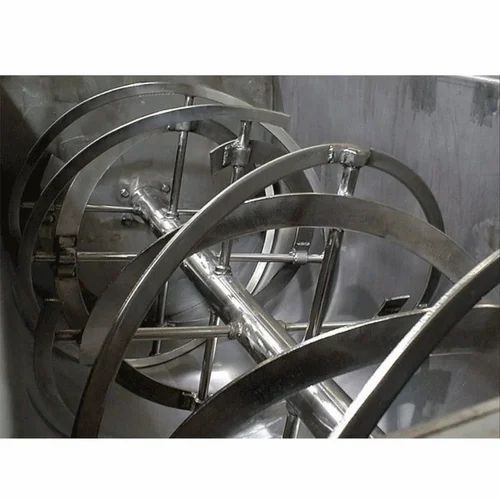
Producing animal feed — whether for livestock, poultry, fish or small farm animals — requires a reliable mixer to ensure uniform blending of grains, additives, minerals, vitamins and other ingredients. For farms and small-scale feed producers in South Africa, a good animal feed mixer can dramatically improve feed quality, consistency and production efficiency.
If you are looking for an animal feed mixer for sale, here’s what you need to know.
🛠️ What Is an Animal Feed Mixer?
An animal feed mixer is a machine designed to blend various feed components: grains, maize meal, pellets, vitamins, minerals, premixes, and sometimes liquids (oil, molasses) — depending on mixer type. The goal is to achieve a uniform, consistent mixture, so that each animal receives the proper nutrition dose in their feed.
Feed mixers vary: from simple horizontal or vertical batch mixers, to paddle or ribbon mixers for dry ingredients — to more complex auger or drum mixers for large-scale feed mills.
✅ Why Use a Mixer Rather Than Manual Mixing?
- Uniform Blend: Ensures every batch has consistent nutrient distribution, avoiding “hot spots” of additives or uneven grain mix.
- Time Efficiency: Mixing by machine is much faster than manual mixing — saves time especially when producing large batches.
- Labour Saving: Reduces manual labour and physical strain associated with hand mixing.
- Scalable Production: You can produce larger volumes efficiently — useful for livestock farms, poultry farms or feed businesses.
- Better Feed Quality: Improved mixing ensures better digestibility and balanced nutrition for animals.
📦 Types of Animal Feed Mixers Suitable for South Africa
Depending on your operation size, feed type, and output needs — you may consider different mixer types:
1. Horizontal or Batch Paddle/Ribbon Mixers
- Good for dry feed components (grains, meal, mineral premixes).
- Easy to operate, simple design.
- Suitable for small to medium batches — ideal for farms or small feed production.
2. Vertical or Auger Mixers
- Space-efficient and suited for medium-volume mixing.
- Can handle mixes with pellets, grains, or granular additives.
3. Drum / Tumbler Mixers
- For smaller farms or mixing smaller batches.
- Good for feed blends needing gentle mixing or when handling delicate pellets.
4. Industrial-Scale Feed Mixers / Batch Mixers
- For large farms, feed mills, or commercial feed production.
- High capacity, heavy-duty build, suitable for continuous or large-batch production.
⭐ What to Check When Buying an Animal Feed Mixer
Before purchasing a mixer for animal feed, consider:
- Capacity vs Feed Volume: Match mixer size with the amount of feed you need daily/batch.
- Material Construction: For feed, durable metals (preferably stainless or quality coated steel) for longevity against abrasion.
- Mixing Mechanism: Paddle, ribbon, auger — depending on ingredients (powder, grains, pellets).
- Ease of Cleaning: Especially if mixing different feed types or additives — easier cleaning prevents contamination.
- Power & Drive: Ensure motor/gearbox is suitable for expected load — heavy grain mixes need adequate torque.
- Discharge Mechanism: A good discharge gate or outlet ensures easy, thorough emptying.
- Mix Uniformity: The mixer should distribute nutrients, grains, and additives evenly for balanced feed.
- Maintenance & Spare Parts Availability: Check that bearings, paddles, shafts, drive belts/gears can be serviced locally.
- Batch Flexibility: If you produce different feed types (poultry, cattle, pigs), choose a mixer flexible enough for variable batch sizes.
🎯 Who Should Buy an Animal Feed Mixer in South Africa?
An animal feed mixer is suitable for:
- Small to large livestock or poultry farms needing consistent feed production
- Feed mills or commercial feed producers
- Game farms, aquaculture, or mixed-animal farms
- Farmers aiming to produce their own feed to control quality and cost
- Businesses blending feeds for resale or local distribution
✅ Advantages & Trade-Offs of Using a Feed Mixer
Advantages:
- Consistent and uniform feed mix
- Reduced labour and increased production speed
- Ability to scale feed production
- Better quality control and nutrition balance
- Efficient for both small batches and large-scale production
Trade-Offs / Limitations:
- Upfront cost of equipment — especially larger models
- Maintenance required (bearings, seals, paddles)
- Cleaning and hygiene needed if switching feed types or additives
- For heavy-duty mixers: need sufficient power supply, space, and safe handling practices
📈 Practical Tips for Buying Feed Mixer in South Africa
- Assess your production needs: Batch size, daily feed requirements, animal numbers.
- Start small if new: A small horizontal or vertical mixer is ideal for small farms or first-time buyers.
- Plan for maintenance: Keep spare parts, lubricants, and have a cleaning schedule — this preserves mixer life.
- Test with expected feed ingredients: Before committing, simulate a real mix (grains + premixes) to check blending uniformity.
- Consider expansion: If you plan to scale up, choose a mixer that allows larger batches in future.
- Check local after-sales support: Spare part availability and service support ensure durability.
🔚 Final Thoughts
An animal feed mixer for sale in South Africa is a valuable investment whether you run a small farm or a commercial feed mill. It ensures consistent, balanced feed production, saves time and labour, and helps maintain high quality standards.
Choosing the right mixer — matching capacity, mixing type, and maintenance needs — will help you build a reliable feed production operation, whether for your own farm or commercial distribution.