
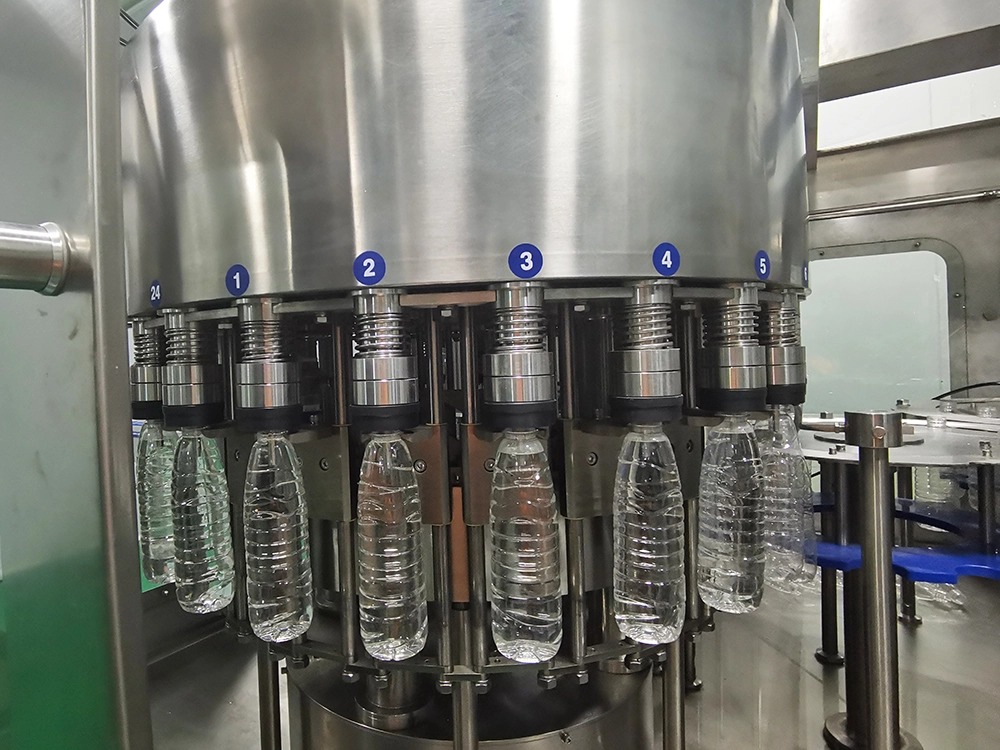
A small liquid filling machine is one of the most cost-effective ways for South African entrepreneurs to move from manual bottling to a more efficient, reliable and professional production process. Whether you bottle water, juice, oils, detergents, shampoos, or cosmetic liquids, a compact filling machine can improve speed, reduce waste, and increase accuracy without requiring a huge investment.
Across South Africa, these small machines are popular among SMEs, home-based manufacturers, cosmetic brands, artisanal beverage producers, and cleaning-product startups looking to scale up production.
⭐ Why Small Liquid Filling Machines Are Popular in South Africa
1. Affordable for Startups
Small filling machines cost far less than large industrial lines. This makes them ideal for new businesses testing the market or operating on a limited budget.
2. Compact & Space-Saving
They take up minimal space — perfect for workshops, home factories, or small production rooms.
3. Versatile for Many Liquids
Most small machines can fill:
- Water
- Juice and flavored drinks
- Liquid soaps and detergents
- Oils
- Shampoo and cosmetic liquids
- Cleaning chemicals
- Light sauces and dressings
4. Low Maintenance
Small fillers are generally easy to clean, operate, and maintain, especially when built with stainless steel contact parts.
5. Easy to Scale
You can start small and upgrade the machine or add additional nozzles later as demand increases.
⚙️ Types of Small Liquid Filling Machines
1. Manual Liquid Fillers
Best for very small operations or occasional bottling. Low cost and simple to use.
2. Semi-Automatic Pump Fillers
Ideal for thin liquids like water, cleaning chemicals, oils, juice, and cosmetic liquids.
3. Semi-Automatic Piston Fillers
Better for slightly thicker liquids such as lotions, shampoos, syrups, and certain food products.
4. Compact Multi-Nozzle Fillers
Provide higher speed while still remaining affordable and compact.
🧪 What To Look for Before Buying
When choosing a small liquid filling machine in South Africa, consider these key factors:
1. Your Liquid Type
Thin liquids require pump or gravity fillers, while thicker liquids may need piston-based systems.
2. Bottle/Container Size Range
Make sure the machine supports the bottle sizes you use — from small cosmetic bottles to 1-litre containers.
3. Fill Accuracy
Look for consistent filling without overfilling or spillage.
4. Build Quality
Stainless steel contact parts are essential for hygiene, especially in food, beverage, or cosmetic production.
5. Ease of Cleaning
A machine that can be cleaned quickly saves time and reduces contamination risk.
6. Speed & Output Needs
Choose a machine that matches your production goals — starting small but with room for expansion.
7. Local Support & Parts Availability
Machines with commonly available parts reduce the risk of downtime.
📦 Typical Uses in South Africa
Small liquid filling machines are commonly used in:
- Small beverage brands
- Cosmetic and skincare producers
- Cleaning product companies
- Cooking oil and specialty food businesses
- Chemical and industrial product manufacturers
- Home-based or studio production facilities
They allow small businesses to package products professionally and reliably, even at lower output levels.
💰 Typical Price Range (General South African Market)
While prices differ by supplier and model, small liquid filling machines commonly fall in the following ranges:
- Manual fillers: usually the most affordable option
- Small semi-automatic pump fillers: moderate cost
- Semi-automatic piston fillers: slightly higher cost but handle thicker liquids
- Compact multi-head fillers: higher price but higher output
(Exact numbers are intentionally excluded since markets fluctuate, but I can add pricing brackets if needed.)
🔍 Pros & Cons of Small Liquid Filling Machines
✔️ Pros
- Affordable for startups
- Easy to use and maintain
- Compact and space-saving
- Suitable for many industries
- Professional, consistent filling
- Reduces labour and bottling time
- Scalable when business grows
❌ Cons
- Slower than large industrial systems
- Some manual work still required
- Not ideal for very high production
- Not suitable for extremely thick liquids unless piston-type
🧭 Is a Small Liquid Filling Machine Right for You?
You should consider a small filler if you:
- Are launching a new product
- Want to move away from manual filling
- Have limited space
- Need accuracy and consistency
- Produce small to medium volumes
- Need equipment that won’t break your budget
For many South African businesses, a small filler is the perfect first step toward a more efficient and professional production line.
🏁 Conclusion
A small liquid filling machine in South Africa is an excellent investment for a small business or startup that wants to increase output, maintain consistency, and present professionally packaged products. With the right machine matched to your liquid type and volume needs, you can scale your production confidently without overspending or needing a large factory setup.