
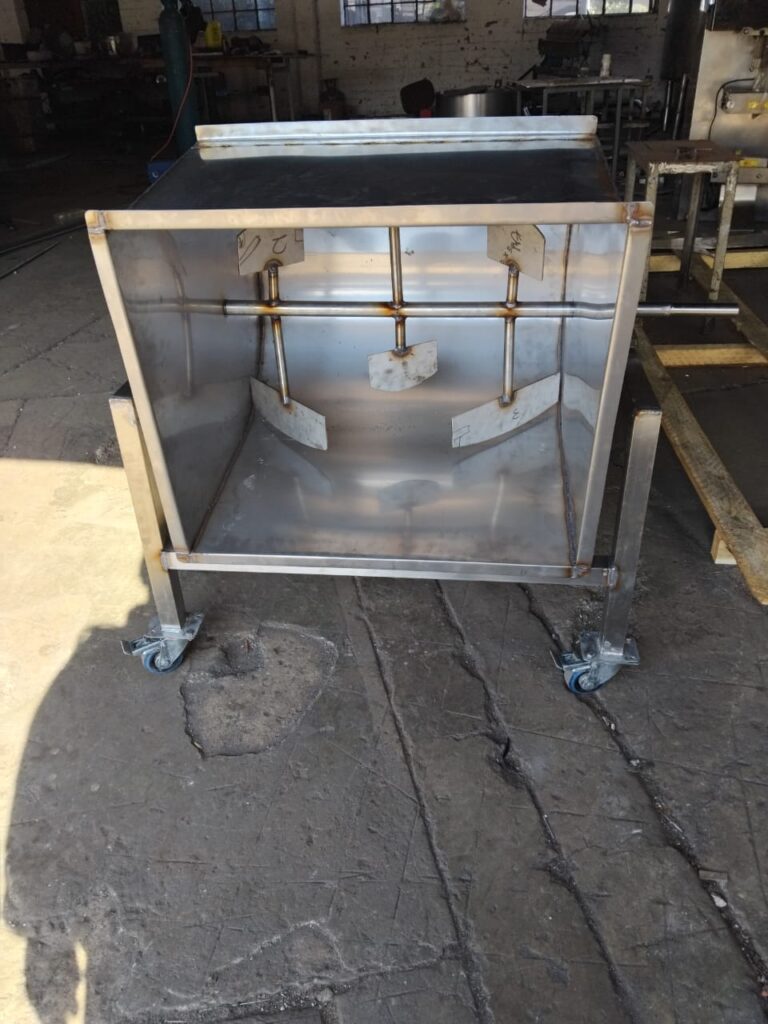
What Is a Paddle Mixer?
A paddle mixer is a heavy-duty mixing tool or machine that uses flat, paddle-shaped blades to stir or blend thick materials. Unlike a high-speed drill mixer, a paddle mixer offers high torque at low speeds, making it ideal for dense substances that need strong, consistent force to mix properly.
Why Choose a Paddle Mixer?
- Excellent for mixing dense or viscous materials, like cement, plaster, mortar, adhesives, and powder compounds.
- Provides very consistent mixing, reducing lumps and ensuring all ingredients are evenly distributed.
- Saves time: mixing with a paddle machine is significantly faster and less tiring than manual mixing.
- Durable construction: built to withstand the stress of heavy material mixing.
- Versatile: works for construction, industrial, or manufacturing tasks depending on design.
Types of Paddle Mixers
- Electric Handheld Paddle Mixer
Lightweight, handheld, ideal for smaller mixing jobs or construction tasks where portability is necessary. - Dual-Paddle Mixer
Features two paddles for simultaneous mixing, offering more power, volume, and stability. - Fixed or Shaft Paddle Mixer
A mixer built into a production line or tank, used for continuous or batch mixing of powders and granules. - Batch Paddle Mixer
Designed to mix material in a container or drum; great for medium-size production or manufacturing setups.
Important Features to Look For
- Motor Power: Critical for strong mixing; higher wattage or horsepower gives more torque.
- Speed Control: Variable speed lets you adjust the mixing according to material density or batch size.
- Paddle Material: Metal (steel or stainless) paddles are more durable and resist wear.
- Housing and Handles: Good ergonomic design, secure grip, and durable housing make operation easier.
- Build Quality: Strong gears or gearbox, high-quality bearings, and solid frame make the mixer last longer.
- Safety Mechanisms: Overload protection or thermal cut-off keeps the motor safe.
- Cleaning Access: Ability to detach or clean paddle blades is very useful after heavy mixing.
Common Uses for Paddle Mixers
- Construction & Building: Mixing cement, mortar, tile adhesive, plaster.
- Industrial Manufacturing: Blending powders, pigments, or dry chemicals.
- DIY / Renovation Work: Mixing paint, filler, putty, or thick adhesives.
- Batch Production: Use in tank-mounted or fixed installations for consistent powder or liquid mixing.
Pros and Drawbacks
Pros:
- Powerful torque for thick materials
- Long-lasting design
- Reliable and efficient for recurring heavy-duty mixing
- Maintains consistent mixture quality
Drawbacks:
- Can be heavy and cumbersome to use for long periods
- Requires a powerful motor – not ideal for very light, watery mixtures
- Needs maintenance to keep paddles, motor, and gearbox in good condition
- Larger models may be expensive and require more space
How to Choose the Right One for Your Needs
- Determine Your Material: Understand the density and volume of what you’re mixing.
- Estimate Batch Size: Know whether you need a handheld version or a fixed industrial mixer.
- Check Power Source: Confirm that your working area supports the required power.
- Plan for Clean-Up: For sticky or dirty mixes, pick a mixer that is easier to dismantle and clean.
- Factor in Maintenance: Choose a model from a brand or supplier that provides replacement parts.
Buying Used or Second-Hand
- Ask to test the mixer with material similar to what you will be mixing.
- Inspect the paddle blades — check for wear, bending, or damage.
- Run the motor to feel for vibration, overheating, or noise.
- Confirm how often it was used and what it mixed.
- Ask for any maintenance history or service records.
- Make sure spare parts (paddles, coupling, motor) are still available.
Final Thoughts
A paddle mixer for sale is a smart buy for anyone dealing with dense or thick materials. Whether for construction, heavy-duty mixing tasks, industrial applications, or DIY production, a well-chosen paddle mixer makes your work faster, more accurate, and less labor-intensive.
When buying, focus on motor power, build quality, paddle design, and how you plan to use or maintain the mixer. Choosing wisely will give you a tool that boosts efficiency while standing up to the demands of regular, heavy use.