
Introduction
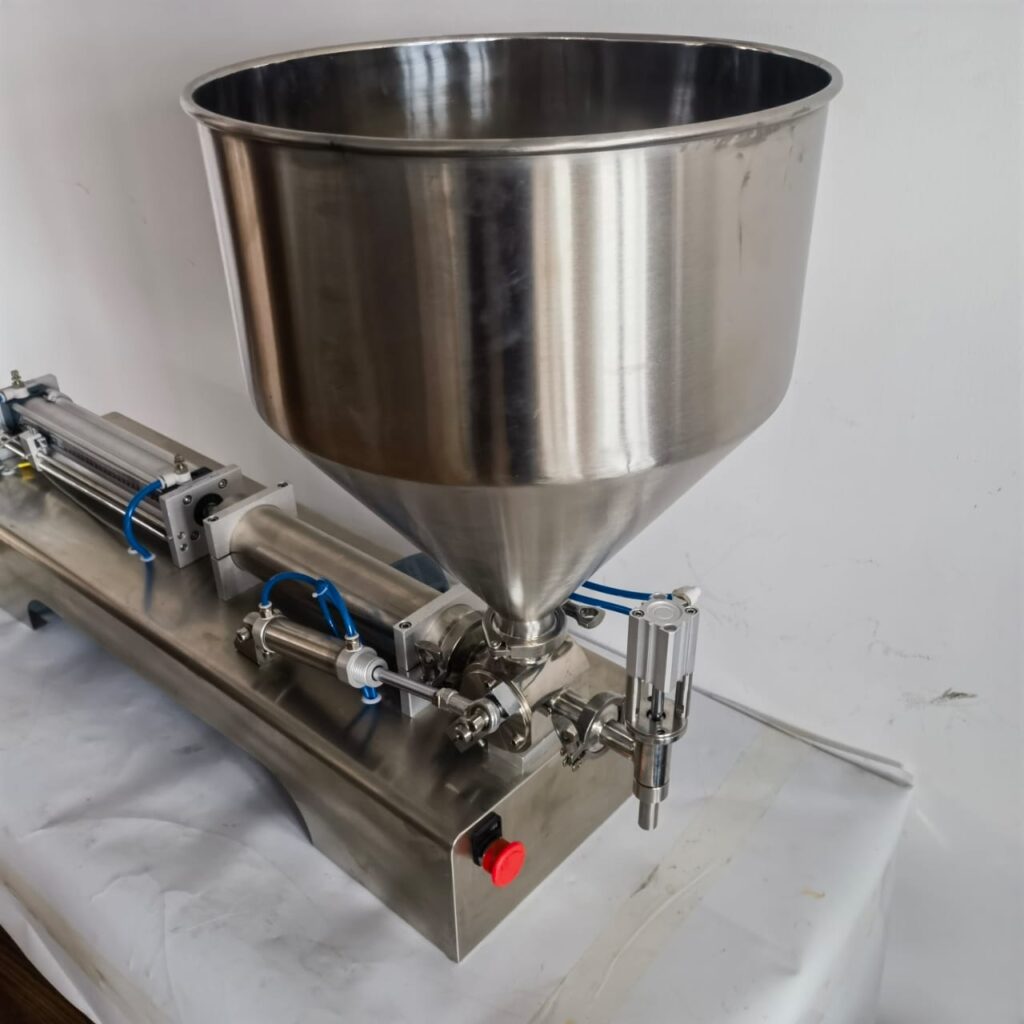
A paste filling machine is an essential tool for businesses that package thick or semi-solid products. Unlike water or thin liquids, paste is heavy and sticky, so it requires specialised equipment for accurate and efficient filling. Whether you’re in the food, cosmetics, chemical, or pharmaceutical industry, the right paste filling machine can dramatically increase productivity and reduce wastage.
This guide explains everything you need to know before buying a paste filling machine.
What Is a Paste Filling Machine?
A paste filling machine is a device designed to fill thick, viscous products into containers such as bottles, jars, soft tubes, buckets, or pouches. These machines use strong mechanisms—like pistons, air pressure, or screw pumps—to push the paste out consistently and accurately.
Industries That Use Paste Filling Machines
Paste fillers are used across many industries, including:
- Food Manufacturing (peanut butter, sauces, honey, chutney, jam, mayonnaise)
- Cosmetics & Beauty (body butters, face creams, gels, lotions)
- Pharmaceuticals (ointments, medicinal gels, topical creams)
- Chemicals (adhesives, silicone, detergents, polishing pastes)
- Household Products (cleaning pastes, waxes, polishes)
Any business that packs thick substances into containers needs a paste filling machine.
Types of Paste Filling Machines
1. Piston Paste Filling Machines
These use a piston cylinder to suck paste in and push it out into containers.
Best for: Medium-to-thick products such as sauces, creams, gels, purees, lotions, adhesives.
2. Pneumatic Paste Filling Machines
Powered by compressed air, they offer smooth, controlled filling.
Best for: Creams and gel-based products that require gentle filling.
3. Screw Pump or Rotor Pump Paste Fillers
Use a screw or rotor system to move very thick or chunky pastes.
Best for: Very heavy pastes like thick peanut butter, industrial adhesives, and high-viscosity products.
4. Manual Paste Fillers
Hand-operated or foot-pedal machines.
Best for: Small batches, start-ups, testing products, or home-based manufacturers.
Key Features to Look for When Buying a Paste Filler
1. Filling Volume Range
Choose a machine that supports your container sizes.
Common ranges include:
- 5–50 ml
- 30–300 ml
- 100–1000 ml
- 1–5 litres
2. Nozzle Configuration
Your options include:
- Single nozzle (for small to medium output)
- Double nozzle (faster output)
- Multi-nozzle setups for high-speed production
3. Hopper Size
A larger hopper means fewer refills and smoother production.
4. Heating Function (Optional)
For thick or temperature-sensitive pastes, a heated hopper helps prevent:
- Hardening
- Clogging
- Inconsistent flow
5. Material Quality
A high-quality paste filler should be made of:
- Stainless steel
- Food-grade surfaces
- Rust-resistant components
6. Control System
Depending on your budget, you can choose:
- Manual controls
- Semi-automatic controls
- Full PLC touchscreen automation
7. Cleaning & Maintenance Design
Choose a machine with:
- Easy-to-remove parts
- Accessible nozzles
- Smooth internal surfaces
Cleaning is critical with thick products.
8. Speed and Output
Depending on production needs, some machines fill:
- 10–20 containers per minute
- 30–60 containers per minute
- Or more for automated lines
Benefits of Using a Paste Filling Machine
- Increases Production Speed
- Accurate Filling with Minimal Wastage
- Better Hygiene and Consistency
- Reduced Labour Costs
- More Professional Packaging
- Scalable Production for Growing Businesses
Common Applications
Food
- Chutney
- Tomato paste
- Honey
- Thick sauces
- Peanut butter
- Mayonnaise
- Jam
Cosmetic
- Shea butter
- Face cream
- Body lotion
- Gel
Pharmaceutical
- Ointments
- Topical gels
- Medicinal creams
Chemical
- Adhesive paste
- Sealants
- Polishing paste
- Detergent paste
How to Choose the Right Paste Filling Machine
Step 1: Know Your Product Viscosity
Thicker pastes need stronger machines. Thin creams can use pneumatic fillers.
Step 2: Estimate Your Daily Production
If you fill hundreds of containers per day, choose at least a semi-automatic model.
Step 3: Decide Your Budget
Manual = cheapest
Semi-automatic = best value
Automatic = fastest and most efficient
Step 4: Consider Cleaning Requirements
Choose a machine that can be cleaned quickly between batches.
Step 5: Plan for Expansion
A machine with interchangeable nozzles and adjustable filling volumes gives you flexibility to scale.
Advantages and Disadvantages
Advantages
- High filling accuracy
- Reduced wastage
- Faster production
- Consistent results
- Long-term cost savings
Disadvantages
- Requires cleaning after each batch
- Pneumatic models need an air compressor
- Thick products may clog if not heated
- More expensive than simple liquid fillers
Conclusion
A paste filling machine is one of the best investments a manufacturing business can make. Whether you’re packaging foods, cosmetics, chemicals, or pharmaceuticals, the right machine will improve efficiency, accuracy, hygiene, and production output.
By choosing the right type of paste filler—piston, pneumatic, screw pump, or manual—you can match the machine perfectly to your product thickness, production volume, and growth stage.