
Meta (Yoast SEO)
Meta Title: Jacketed Chemical Mixing Tank South Africa | Heated & Cooled Mixing Vessels
Meta Description: Looking for a jacketed chemical mixing tank in South Africa? Learn about sizes, heating methods, agitators, pricing expectations, and how to choose the right tank for your chemical or manufacturing process.
Focus Keyphrase: jacketed chemical mixing tank
Introduction
A jacketed chemical mixing tank is essential for South African businesses that produce chemicals, detergents, cosmetics, pharmaceuticals, adhesives, paints, and other mixtures that require controlled temperature and consistent blending. These tanks are built with a double-layered wall (called a “jacket”) that allows steam, hot water, or thermal oil to circulate around the tank to heat or cool the contents inside.
Whether you’re running a small manufacturing plant or a large production facility, choosing the right jacketed mixing tank can significantly improve your product consistency, batch quality, and overall production efficiency.
What Is a Jacketed Chemical Mixing Tank?
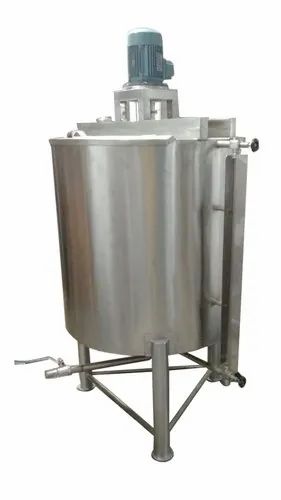
A jacketed chemical mixing tank is a stainless steel vessel equipped with:
- A mixing agitator to stir, blend, or emulsify materials
- A double-walled jacket to heat or cool the mixture indirectly
- A temperature control system for accurate heating
- Optional vacuum, pressure, or insulation features
The jacket provides indirect heating or cooling, which prevents burning, hotspots, or chemical breakdown — especially important for sensitive formulations.
Why South African Manufacturers Use Jacketed Mixing Tanks
1. Temperature Precision
Certain chemicals require stable temperatures to react correctly or remain stable. A jacketed tank provides accurate, even heating across the entire vessel.
2. Safe & Gentle Heating
Instead of using direct heat (which can cause damage), the jacket distributes heat evenly, protecting sensitive ingredients.
3. Improved Mixing Quality
The internal mixer ensures your product has the same consistency from top to bottom — no separation, no uneven blending.
4. Versatility
These tanks work for thick pastes, thin liquids, high-viscosity materials, and heat-sensitive formulas.
5. Scalability for SMEs & Big Plants
From small 50-litre tanks to massive 20,000-litre systems, South African companies can scale production easily.
Types of Jacketed Chemical Mixing Tanks
1. Steam Jacketed Tanks
Best for high-temperature heating, large batches, and industrial-grade chemical reactions.
2. Hot Water Jacketed Tanks
Good for gentle heating and temperature-sensitive ingredients like cosmetics or pharmaceutical creams.
3. Thermal Oil Jacketed Tanks
Ideal for extremely high temperatures and even, stable heat distribution.
4. Tilt-Type Jacketed Tanks
Useful for easy discharge, especially when working with pastes or thick products.
Key Features to Look for Before Buying
1. Material Grade
Most tanks are made from stainless steel 304 or 316.
316 is better for corrosive chemicals.
2. Agitator System
Different agitators serve different purposes:
- Anchor agitators for thick materials
- Propeller mixers for liquids
- Paddle mixers for general blending
- High-shear mixers for emulsions or fast blending
Choose based on your product thickness and production speed.
3. Heating Method
Select steam, hot water, or thermal oil depending on your temperature needs.
4. Insulation
Insulated tanks save energy and maintain heat longer.
5. Capacity
Tanks are available in:
50L, 100L, 200L, 500L, 1000L, 2000L, 5000L, 10,000L and more.
Pick the right size for your production line.
6. Safety Features
Look for pressure release valves, stable stands, and reinforced welds.
7. Cleaning & Maintenance
A tank with smooth internal walls and an accessible opening will save hours in cleaning time.
Typical Uses in South Africa
Jacketed chemical mixing tanks are widely used in:
- Detergent manufacturing
- Cosmetic production (lotions, hair products, gels)
- Chemical processing
- Paint and solvent mixing
- Food manufacturing (sauces, oils, syrups, etc.)
- Adhesives and sealants
- Pharmaceutical and lab production
South Africa’s growing manufacturing sector relies heavily on these tanks because they are durable, versatile, and suitable for both small and large operations.
How to Choose the Right Tank for Your Business
- Know your batch size
Avoid buying a tank too small or too large for your daily output. - Determine your temperature needs
High heat = steam jacket
Medium heat = thermal oil
Low heat = hot water - Consider your product’s viscosity
Thicker products need stronger agitators. - Plan for future scaling
Choose a model you can expand or upgrade later. - Make sure the tank is easy to service
Simple design = fewer breakdowns and lower maintenance costs. - Check local availability of spare parts
Important for motors, seals, agitators, and sensors.
Maintenance Tips for Long-Lasting Performance
- Perform routine inspections on the jacket to check for leaks
- Clean the inside after every batch
- Ensure agitator seals are in good condition
- Calibrate temperature gauges regularly
- Use the correct heating medium (steam / water / oil)
- Train operators on safe handling
Regular maintenance can extend your tank’s lifespan by many years.
FAQ
1. What size tank is best for beginners?
Most small factories start with 100L–500L tanks.
2. Do I need steam or hot water?
Steam is best for high-temperature chemical reactions.
Hot water is safer for cosmetics and temperature-sensitive products.
3. Can jacketed tanks handle thick pastes?
Yes, but you need a strong agitator such as an anchor or paddle mixer.
4. Are jacketed tanks expensive?
They are an investment but save money in production speed, efficiency, and product quality.
5. What material is best for chemical production?
Stainless steel 316 is ideal for corrosive chemicals.
Conclusion
A jacketed chemical mixing tank is more than a vessel — it’s a core piece of manufacturing equipment that determines the quality, consistency, and safety of your production line. South African manufacturers across chemicals, cosmetics, detergents, and industrial products rely on these tanks for precise temperature control, efficient mixing, and long-term durability.
With the right tank, your business can scale faster, reduce waste, and produce higher-quality products that stand out in the market.