
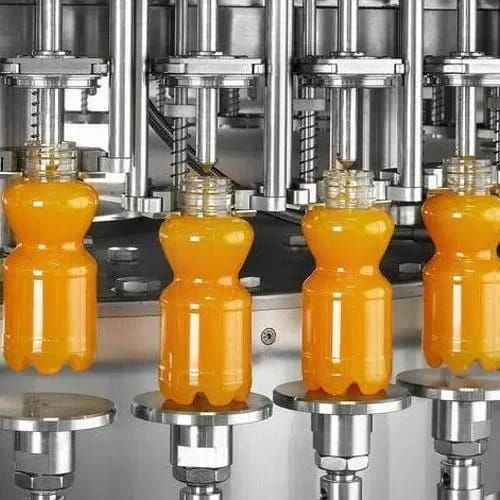
If you’re running a water bottling plant, cosmetic brand, or cleaning product line in South Africa, investing in a bottle filling machine can completely transform your production process.
From Cape Town to Durban, more local businesses are automating bottling to save time, reduce labour costs, and increase product quality. This guide will help you choose the best machine for your business — whether you’re a small startup or a large manufacturer.
🔹 What Is a Bottle Filling Machine?
A bottle filling machine is designed to accurately fill bottles with liquid products — ranging from water and juice to lotions and detergents.
It ensures speed, hygiene, and precision — three things that manual filling can’t guarantee. For South African SMEs, bottle fillers are a must-have for scaling up production without sacrificing quality.
🔹 Types of Bottle Filling Machines in South Africa
Different liquids require different machines. Here’s what’s commonly used in the South African market:
1. Gravity Filling Machines
- Perfect for still water, wine, or other low-viscosity liquids.
- Affordable and easy to maintain.
- Commonly used by local water bottling companies.
2. Piston Filling Machines
- Great for thicker liquids like shampoos, sauces, and creams.
- Offers exact volume control.
- Popular among cosmetic and food producers in Gauteng and KZN.
3. Overflow Filling Machines
- Ensures bottles look full and consistent.
- Ideal for clear liquids packaged in transparent bottles.
4. Vacuum Filling Machines
- Excellent for oil, syrup, or foamy liquids.
- Works well for smaller production lines.
5. Manual & Semi-Automatic Fillers
- Designed for small and medium enterprises (SMEs).
- Easy to use, portable, and cost-effective for startup bottlers.
6. Fully Automatic Filling Lines
- Suitable for large factories with high output needs.
- Often integrated with capping, labelling, and packaging systems.
🔹 Bottle Filling Machine Prices in South Africa (2025)
| Machine Type | Typical Capacity | Automation Level | Average Price (ZAR) |
|---|---|---|---|
| Manual Filler | Up to 500 bottles/hour | Manual | R2,000 – R10,000 |
| Semi-Automatic | 500–1500 bottles/hour | Semi | R15,000 – R60,000 |
| Fully Automatic | 2000+ bottles/hour | Full | R100,000 – R800,000+ |
💡 Tip: Prices vary depending on the supplier, brand, and whether the machine includes capping or labelling attachments.
🔹 Where to Buy a Bottle Filling Machine in South Africa
Here are some reputable suppliers and platforms to check:
- Bidvest Afcom – Industrial packaging and filling solutions.
- Alibaba South Africa / Made-in-China SA Resellers – Import options for bulk buyers.
- Agricon, Packit Packaging Solutions, and Afropak – Local suppliers offering setup and maintenance.
- Takealot Business & Gumtree – Smaller units for small-scale production.
When buying locally, make sure the supplier offers after-sales support, training, and spare parts availability.
🔹 Key Factors to Consider Before Buying
- Type of Liquid – Water, detergent, oil, or cream — choose a machine built for your product’s viscosity.
- Bottle Type – Glass, PET plastic, or aluminium bottles require different nozzles and settings.
- Production Output – Estimate your daily filling needs to decide between manual, semi, or fully automatic.
- Power Source – Ensure compatibility with South Africa’s electricity supply (220–240V).
- Hygiene & Certification – Check that the machine meets SABS, GMP, or ISO standards if you’re bottling consumables.
🔹 Benefits of Bottle Filling Machines for South African SMEs
✅ Saves Labour Costs – Automates manual tasks and improves consistency.
✅ Increases Production Speed – Meet growing demand without extra staff.
✅ Reduces Waste – Accurate filling means no spillage or product loss.
✅ Professional Presentation – Gives your bottles a clean, uniform look.
✅ Scalable Investment – Start small and upgrade as your business grows.
🔹 Common Industries Using Bottle Filling Machines
| Industry | Common Products | Recommended Machine Type |
|---|---|---|
| Beverages | Water, juice, beer | Gravity or Automatic |
| Cosmetics | Creams, oils, lotions | Piston or Overflow |
| Cleaning Products | Detergents, disinfectants | Semi-Automatic |
| Pharmaceuticals | Syrups, sanitizers | Vacuum or Piston |
| Food & Sauces | Vinegar, sauces, oils | Piston or Overflow |
🔹 Maintenance Tips for Longevity
- Rinse and clean after each production cycle.
- Lubricate moving parts regularly.
- Inspect nozzles and hoses for leaks.
- Keep spare parts on hand (seals, gaskets, valves).
- Train operators on correct use and cleaning routines.
🔹 Final Thoughts
In 2025, automation is no longer just for big factories — even small South African businesses are upgrading to bottle filling machines to keep up with growing demand.
Whether you’re bottling spring water in Limpopo, handmade lotion in Durban, or chilli sauce in Cape Town, the right machine can help you produce faster, cleaner, and more profitably.
🔹 Frequently Asked Questions (FAQ)
1. How much does a bottle filling machine cost in South Africa?
From around R2,000 for manual models to over R800,000 for fully automatic lines, depending on capacity and brand.
2. Can one machine fill different types of liquids?
Yes, with adjustable settings and proper cleaning between uses.
3. Do local suppliers offer installation and training?
Most reputable ones do — always confirm before purchasing.
4. What’s the lifespan of a good filler?
5–10 years or more with regular maintenance.
5. Where can I get spare parts in South Africa?
Suppliers like Afropak and Bidvest Afcom offer local parts and servicing.