
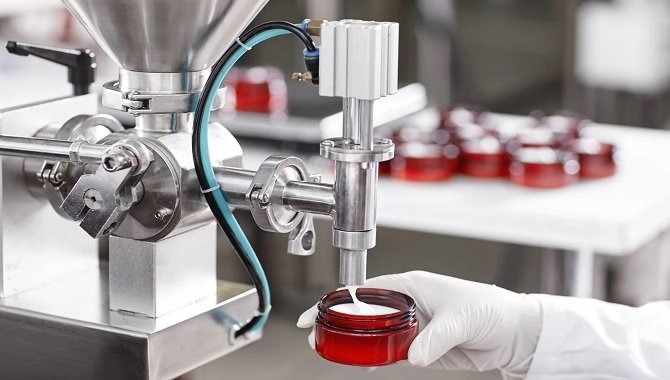
The cosmetics and personal care industry is one of the fastest-growing markets worldwide, with South Africa seeing a major rise in demand for locally made skincare, haircare, and beauty products. Starting a cosmetic manufacturing business can be highly profitable if you invest in the right machinery, ingredients, and branding.
Why Start a Cosmetic Manufacturing Business?
The demand for affordable, high-quality cosmetics is increasing as consumers look for trusted local brands. This creates opportunities for entrepreneurs to produce:
- Lotions & Creams
- Shampoos & Conditioners
- Body Wash & Shower Gel
- Herbal & Organic Skincare
- Cosmetic Serums & Oils
With the right setup, you can manufacture for your own brand or become a contract manufacturer supplying retailers and beauty companies.
Essential Cosmetic Manufacturing Machinery
To ensure consistency, safety, and efficiency, you’ll need:
- High-Shear Mixers & Homogenizers – For creams, lotions, and emulsions
- Jacketed Processing Tanks – For heating, mixing, and cooling batches
- Ribbon Blenders – For powders and dry cosmetic products
- Filling Machines – For bottles, jars, and tubes
- Labeling Machines – For professional product packaging
Benefits of Starting a Cosmetic Manufacturing Business
✅ High Profit Margins – Cosmetics are premium products with strong markups
✅ Scalable Production – Start small and expand as demand grows
✅ Wide Product Range – From skincare to haircare and makeup
✅ Strong Market Demand – Growing personal care market in South Africa
✅ Private Label Options – Manufacture for other brands as an additional revenue stream
Market Opportunities
The South African cosmetics market is worth billions and continues to grow. Consumers are particularly interested in:
- Natural & Herbal Cosmetics
- Affordable Everyday Skincare
- Luxury Local Brands
- Eco-Friendly & Organic Products
This gives small manufacturers a competitive edge against imports.
Steps to Start Your Cosmetic Business
- Research & Plan – Identify your target market and products
- Invest in Machinery – Choose equipment based on production scale
- Source Raw Materials – Focus on quality, safety, and local sourcing
- Develop Branding – Packaging and marketing are crucial in cosmetics
- Register & Comply – Follow health and safety standards
- Launch & Scale – Start with small batches and expand with demand
Conclusion
Starting a cosmetic manufacturing business in South Africa is a lucrative opportunity with the right planning and machinery. By producing high-quality creams, lotions, shampoos, and beauty products, you can build a profitable brand and supply to the ever-growing cosmetics industry.