
Introduction
The demand for natural and healthy beverages is rapidly growing, and juice is at the top of the list. Starting your own juice processing business can be both profitable and impactful, especially in South Africa where the market for fresh fruit and value-added products is expanding. Whether you want to supply local supermarkets, restaurants, or sell directly to consumers, a well-planned juice business can open doors to long-term success.
In this blog, we’ll cover everything you need to know to get started.
Why Start a Juice Processing Business?
- High Market Demand – Consumers are shifting to healthier, preservative-free beverages.
- Diverse Opportunities – From orange, mango, and pineapple juice to herbal blends, the options are endless.
- Job Creation – Juice processing creates employment opportunities for farmers, distributors, and retail staff.
- Scalable Business – Start small and expand into larger operations with proper equipment and marketing.
Steps to Start a Juice Processing Business
1. Market Research
Understand your target market. Do you want to sell to health-conscious individuals, local retailers, or supply bulk to restaurants and cafes? Research demand, competition, and pricing strategies.
2. Business Plan
Draft a detailed plan that includes:
- Startup capital requirements
- Equipment and raw material costs
- Marketing strategy
- Pricing and profit projections
3. Licensing and Compliance
Register your business and comply with food safety standards. In South Africa, you may need:
- A food handling certificate
- Health and safety compliance
- Product labeling in line with government regulations
4. Choose the Right Equipment
Investing in juice processing machinery is crucial for efficiency. Depending on your scale, you may need:
- Fruit washing and peeling machines
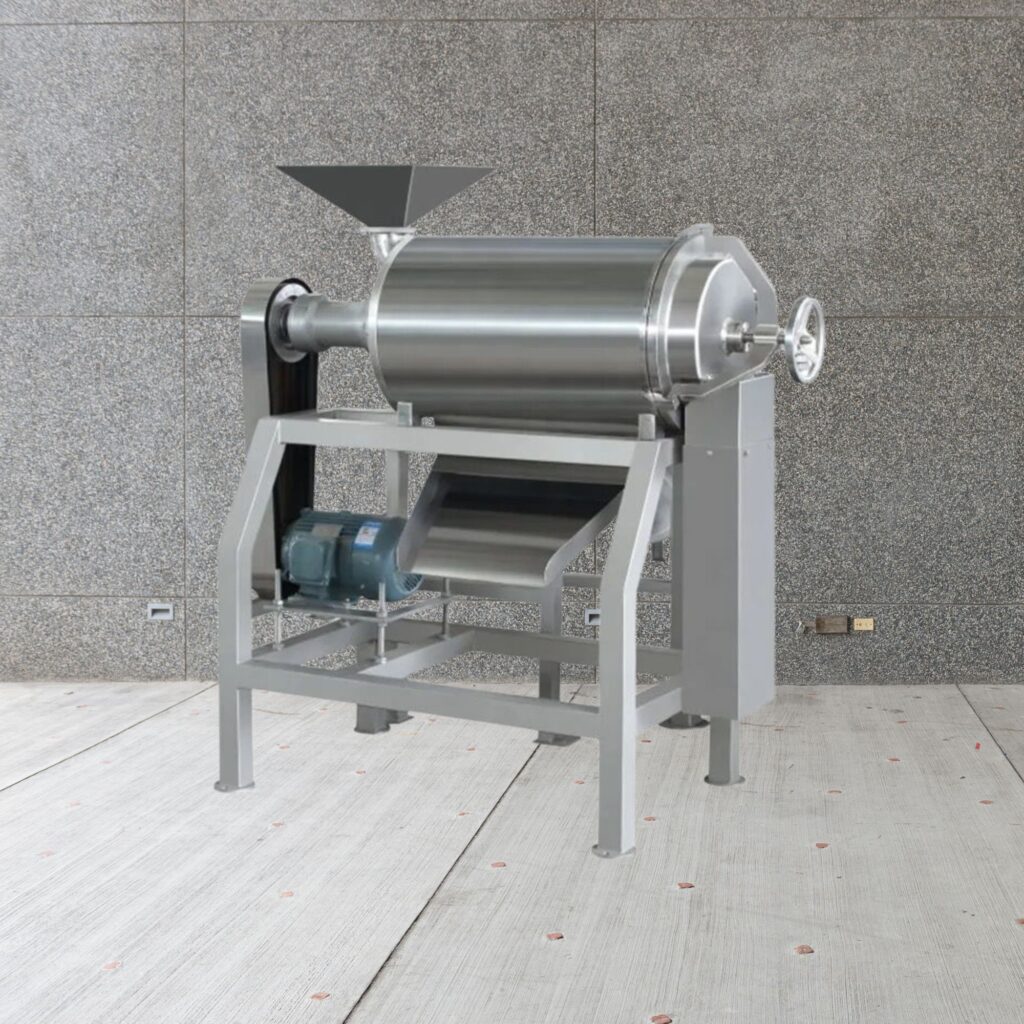
- Juice extractors and homogenizers
- Pasteurizers
- Filling and bottling machines
- Labeling applicators
5. Sourcing Fruits
Partner with reliable farmers and suppliers for consistent quality and supply of fresh fruits.
6. Branding & Packaging
Attractive packaging and branding help differentiate your product. Consider eco-friendly bottles, eye-catching labels, and clear nutritional information.
7. Marketing & Distribution
Leverage multiple sales channels:
- Local supermarkets and health stores
- Online platforms and delivery services
- Direct sales at markets and events
- Partnerships with cafes and restaurants
Key Benefits of a Juice Processing Business
- High-profit margins with premium natural juices
- Low entry barrier for small startups
- Ability to diversify into smoothies, concentrates, and flavored waters
- Growing export opportunities for African juice products
Conclusion
Starting a juice processing business is a smart move in today’s health-driven market. With the right equipment, proper planning, and effective branding, you can turn fresh fruits into a profitable enterprise. Whether small-scale or large-scale, juice processing has the potential to deliver long-term growth and sustainability.