
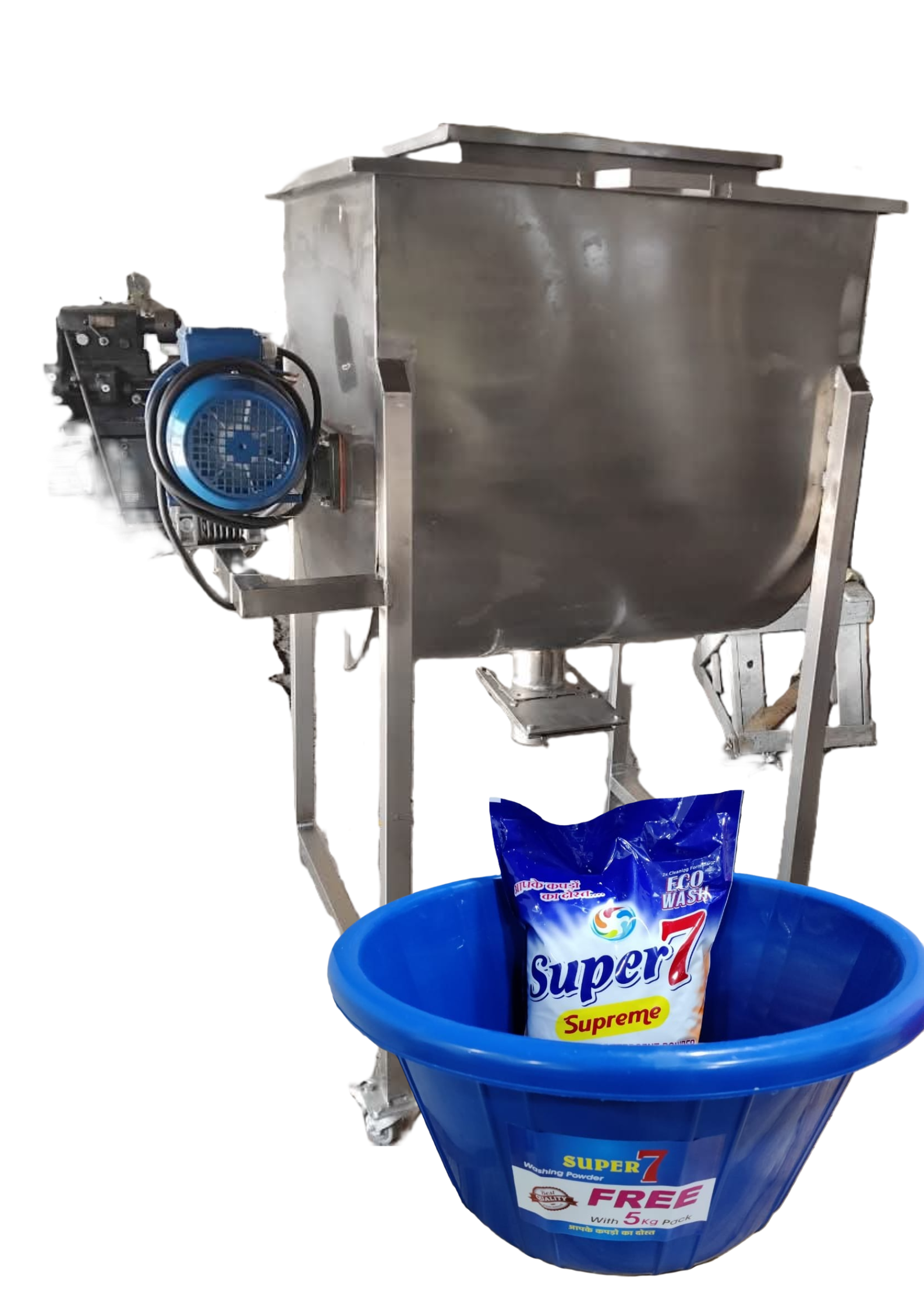
A powder manufacturing machine is industrial equipment used to process raw materials into fine, uniform powders for use in food processing, pharmaceuticals, chemicals, cosmetics, agriculture, and mining industries. These machines can perform grinding, crushing, pulverizing, mixing, drying, and screening operations depending on the final powder requirements. Modern powder manufacturing systems are designed to produce consistent particle sizes, improve production efficiency, and reduce labor costs. What is a Powder Manufacturing Machine? A powder manufacturing machine converts solid materials into powder form through mechanical, thermal, or chemical processing methods. The machine may be used independently or as part of a complete powder production line that includes: The choice of equipment depends on the raw material and desired particle size. Types of Powder Manufacturing Machines Hammer Mill Machine Hammer mills use rotating hammers to break materials into smaller particles. Applications Advantages Pulverizer Machine Pulverizers create ultra-fine powders through high-speed impact grinding. Applications Advantages Pin Mill Machine Pin mills use rotating pins to grind products into fine powders. Applications Advantages Air Classifier Mill Combines grinding and classification in a single machine. Applications Advantages Ribbon Blender Ribbon blenders are used after grinding to create homogeneous powder mixtures. Applications Advantages Powder Manufacturing Process Step 1: Raw Material Preparation Materials are cleaned and inspected before processing. Step 2: Crushing Large particles are reduced to manageable sizes. Step 3: Grinding The material is milled into powder. Step 4: Screening Powder is classified according to particle size. Step 5: Mixing Different ingredients are blended uniformly. Step 6: Packaging Finished powder is packed for storage and distribution. Common Materials Processed into Powder Food Industry Chemical Industry Pharmaceutical Industry Agricultural Industry Powder Manufacturing Machine Sizes Machine Capacity (kg/hr) Motor Power (kW) Suitable Production Scale 20 – 50 3 – 5.5 Small Business 50 – 100 5.5 – 7.5 Startup Production 100 – 300 11 – 15 Medium Factory 300 – 500 18.5 – 22 Industrial Production 500 – 1000 30 – 45 Large Manufacturing Plant 1000 – 3000 55 – 110 High-Volume Production Advantages of Powder Manufacturing Machines High Production Efficiency Automated systems significantly increase output. Consistent Product Quality Uniform particle size improves product performance. Reduced Labor Costs Modern machines require minimal operator intervention. Versatile Applications Suitable for food, pharmaceutical, chemical, and agricultural products. Scalable Production Available in capacities suitable for small businesses and large industrial facilities. How to Choose the Right Powder Making Machine Material Type Different materials require different grinding technologies. Required Particle Size Ultra-fine powders may require pulverizers or air classifier mills. Production Capacity Choose a machine capable of meeting current and future demand. Hygiene Requirements Food and pharmaceutical applications typically require stainless steel construction. Energy Consumption Evaluate operating costs alongside production output. Industries That Use Powder Manufacturing Equipment Industry Typical Products Food Processing Spices, Flour, Sugar Powder Pharmaceuticals Medical Powders, Supplements Chemicals Pigments, Detergents Cosmetics Face Powders, Beauty Products Agriculture Feed Additives, Fertilizers Mining Mineral Powders Why Invest in a Powder Manufacturing Machine? A powder manufacturing machine enables businesses to produce high-quality powders efficiently, reduce production costs, and maintain consistent product standards. Whether processing food ingredients, chemicals, pharmaceuticals, or agricultural materials, the right powder production equipment can significantly improve productivity and profitability. Frequently Asked Questions What is a powder manufacturing machine used for? It is used to convert raw materials into fine powders for food, pharmaceutical, chemical, cosmetic, and agricultural applications. Which machine is best for making fine powder? Pulverizers, pin mills, and air classifier mills are commonly used for producing fine powders. Can one machine handle different materials? Many industrial powder machines can process multiple materials, provided they are properly cleaned between batches. What capacity powder machine should I choose? The ideal capacity depends on your production requirements, raw material type, and expected future growth. What industries use powder making machines? Food processing, pharmaceuticals, chemicals, cosmetics, agriculture, mining, and manufacturing industries all use powder production equipment.
Ribbon Blender Sizes Explained
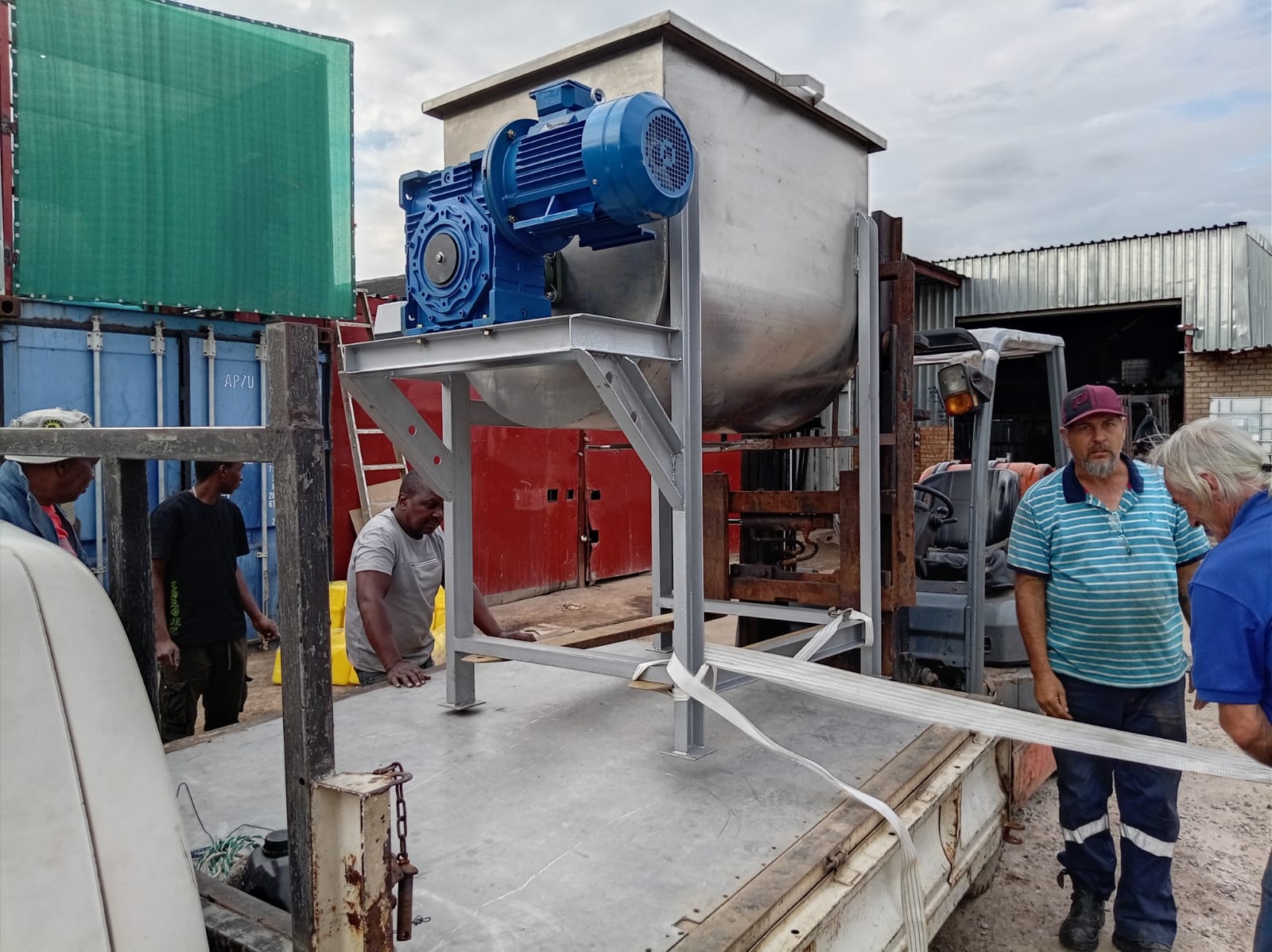
Ribbon blenders are manufactured in a wide range of capacities to suit small-scale production, medium-sized factories, and large industrial processing plants. Choosing the correct size is essential for achieving efficient mixing, reducing production time, and maximizing product consistency. The size of a ribbon blender is typically determined by its process volume (working volume) rather than its total vessel volume. Understanding Ribbon Blender Capacity Process Volume The actual volume of material that can be mixed effectively in one batch. Gross Volume The total internal volume of the mixing trough. Most ribbon blenders operate most efficiently when filled to approximately 40%–70% of gross volume. Standard Ribbon Blender Sizes Process Volume (L) Gross Volume (L) Batch Capacity (kg)* Power (kW) 50 75 20 – 35 1.5 100 150 40 – 60 2.2 200 300 80 – 120 4 300 450 120 – 180 5.5 500 750 200 – 300 7.5 1000 1500 400 – 600 11 1500 2250 600 – 900 15 2000 3000 800 – 1200 18.5 3000 4500 1200 – 1800 22 5000 7500 2000 – 3000 30 10000 15000 4000 – 6000 45 *Actual capacity varies according to product density. Small Ribbon Blender Sizes (50L – 500L) These machines are commonly used for: Benefits Medium Ribbon Blender Sizes (1000L – 3000L) Medium-capacity ribbon blenders are ideal for: Benefits Large Industrial Ribbon Blender Sizes (5000L – 10000L) Large-scale ribbon blenders are designed for: Benefits Typical Ribbon Blender Dimensions Approximate dimensions vary by manufacturer. Process Volume (L) Length (mm) Width (mm) Height (mm) 100 1200 600 900 200 1500 700 1100 500 1800 900 1300 1000 2500 1200 1600 2000 3200 1400 1900 3000 3800 1600 2100 5000 4800 1800 2400 10000 6500 2200 3000 How to Choose the Right Ribbon Blender Size Calculate Your Batch Requirement Determine how many kilograms of product need to be mixed per batch. Consider Product Density Heavy materials require larger motors and may reduce effective capacity. Evaluate Production Targets Consider: Allow Space for Growth Many manufacturers choose a ribbon blender 20–30% larger than their current requirement to accommodate future production increases. Industries and Recommended Ribbon Blender Sizes Industry Recommended Size Spice Processing 100L – 1000L Flour Mixing 500L – 3000L Animal Feed 1000L – 10000L Chemical Powders 500L – 5000L Pharmaceutical Powders 50L – 1000L Cosmetic Products 100L – 1500L Fertilizer Production 2000L – 10000L Conclusion Ribbon blenders are available in sizes ranging from compact 50-liter units to large 10,000-liter industrial systems. The correct size depends on your batch requirements, material density, available floor space, and production goals. By selecting the appropriate process volume and motor power, manufacturers can achieve efficient mixing, consistent product quality, and maximum productivity
Ribbon Blender: The Ultimate Industrial Mixing Solution
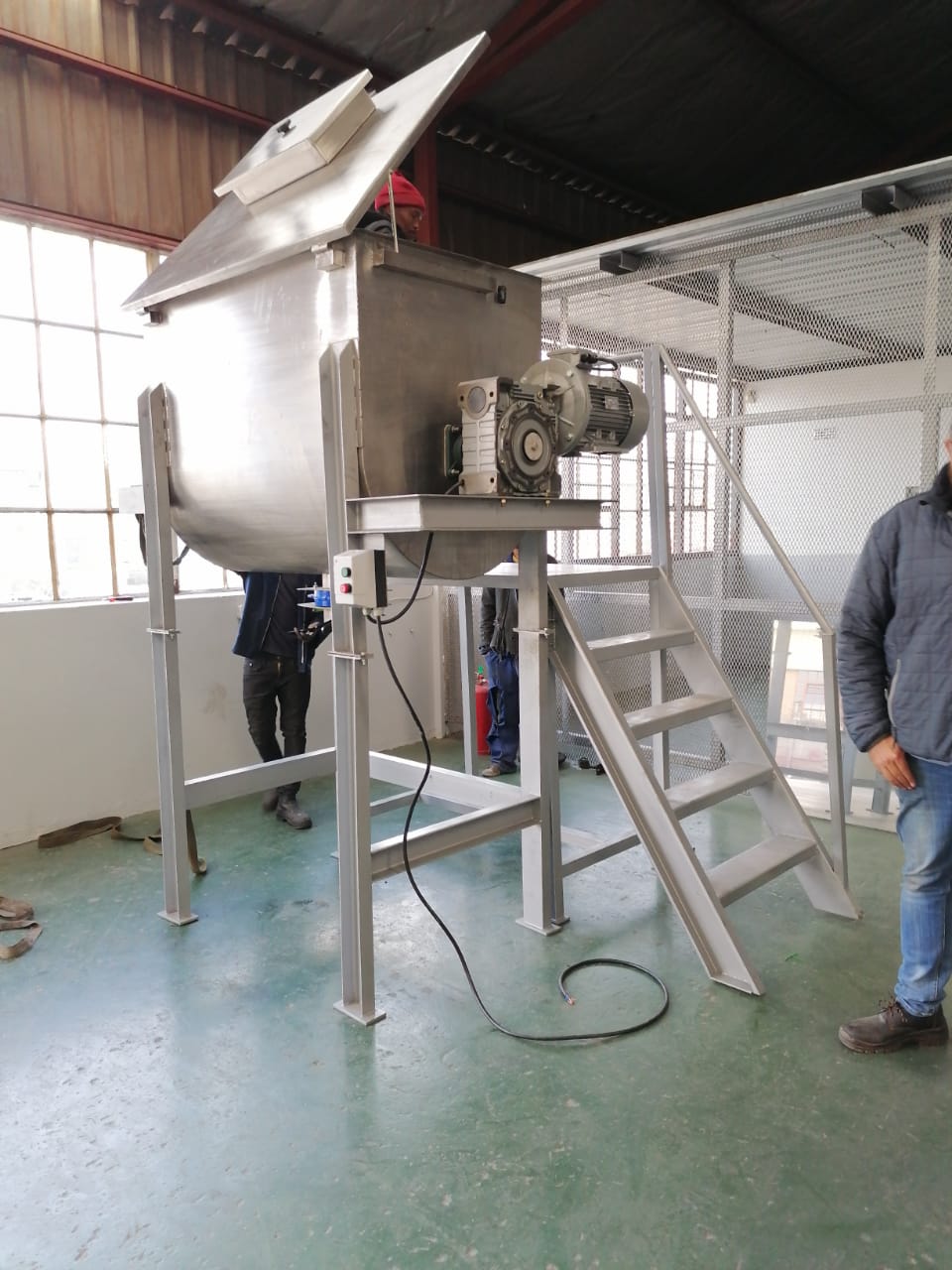
A ribbon blender is one of the most widely used industrial mixing machines for blending powders, granules, dry ingredients, and semi-wet materials. It is commonly found in food processing, pharmaceuticals, chemicals, cosmetics, agriculture, and manufacturing industries. The machine consists of a U-shaped horizontal trough and a specially designed ribbon agitator that moves materials in opposite directions, creating a homogeneous mixture within a short period. Due to its versatility, efficiency, and cost-effectiveness, ribbon blenders have become a preferred choice for manufacturers looking to achieve consistent product quality. What is a Ribbon Blender? A ribbon blender is a horizontal mixing machine equipped with inner and outer helical ribbons mounted on a central shaft. As the shaft rotates: This counter-current movement creates a balanced mixing action that ensures uniform blending of materials. How Does a Ribbon Blender Work? The mixing process involves three simultaneous movements: 1. Radial Movement Materials move from the outer wall toward the center of the mixer. 2. Axial Movement The ribbon agitator moves product lengthwise through the trough. 3. Convective Mixing Particles continuously exchange positions, producing a highly uniform blend. This combination allows ribbon blenders to achieve mixing uniformity levels exceeding 95%. Main Components of a Ribbon Blender Mixing Chamber A U-shaped trough that holds the product during mixing. Ribbon Agitator Consists of inner and outer ribbons welded onto a central shaft. Drive System Includes the motor, gearbox, coupling, and bearings. Discharge Valve Allows quick unloading after mixing. Safety Cover Protects operators and prevents contamination. Control Panel Used to operate and monitor the mixing process. Ribbon Blender Capacity and Technical Specifications The table below provides typical specifications for industrial ribbon blenders. Process Volume (L) Working Capacity (kg)* Gross Volume (L) Power (kW) 100 40 – 60 150 2.2 200 80 – 120 300 4 300 120 – 180 450 5.5 500 200 – 300 750 7.5 1000 400 – 600 1500 11 1500 600 – 900 2250 15 2000 800 – 1200 3000 18.5 3000 1200 – 1800 4500 22 5000 2000 – 3000 7500 30 10000 4000 – 6000 15000 45 *Actual capacity depends on material density. Industries That Use Ribbon Blenders Food Industry Ribbon blenders are used for: Chemical Industry Common applications include: Pharmaceutical Industry Used for blending: Agriculture Industry Applications include: Advantages of Ribbon Blender Machines Excellent Mixing Uniformity Ribbon blenders provide highly consistent mixing results across large batches. Fast Mixing Time Most products can be blended within 5 to 15 minutes. Large Production Capacity Available in sizes ranging from laboratory units to industrial-scale systems exceeding 10,000 liters. Low Operating Costs Simple mechanical design reduces maintenance expenses. Versatile Applications Suitable for powders, granules, flakes, and certain paste-like materials. Durable Construction Typically manufactured from stainless steel 304 or 316 for long service life. Ribbon Blender Materials of Construction Stainless Steel 304 Ideal for food, cosmetic, and general industrial applications. Stainless Steel 316 Recommended for pharmaceutical and corrosive products. Carbon Steel Used for non-corrosive industrial materials where budget is a priority. Factors to Consider When Choosing a Ribbon Blender Batch Size Determine the amount of material processed per cycle. Material Characteristics Consider particle size, density, moisture content, and flowability. Mixing Time Choose a machine that meets production requirements. Construction Material Select food-grade or pharmaceutical-grade stainless steel when required. Discharge System Options include: Cleaning Requirements For frequent product changes, a sanitary design may be necessary. Common Optional Features Modern ribbon blenders can be equipped with: Maintenance Tips for Ribbon Blenders To maximize equipment lifespan: Proper maintenance can significantly reduce downtime and repair costs. Why Ribbon Blenders Remain the Industry Standard Ribbon blenders continue to dominate industrial mixing because they offer an excellent balance between efficiency, capacity, reliability, and affordability. Whether used for food products, chemicals, pharmaceuticals, or agricultural materials, they deliver fast and uniform mixing while maintaining low operating costs. For manufacturers seeking a dependable powder mixing solution, a stainless steel ribbon blender remains one of the most effective and proven choices available today. SEO FAQ What is a ribbon blender used for? A ribbon blender is used to mix powders, granules, spices, chemicals, fertilizers, pharmaceuticals, and food ingredients into a homogeneous blend. How long does a ribbon blender take to mix? Most ribbon blenders achieve a uniform mixture within 5 to 15 minutes, depending on the material. What materials can be mixed in a ribbon blender? Ribbon blenders can mix powders, granules, flakes, fibers, and certain wet materials. What is the difference between process volume and gross volume? Process volume refers to the usable mixing volume, while gross volume is the total internal volume of the mixing chamber. What size ribbon blender do I need? The ideal size depends on your batch requirements, production output, and material density. Manufacturers typically recommend operating at 40–70% of the gross volume for optimal mixing performance.
Jacketed Homogenizer Mixer: The Ultimate Solution for Heating, Mixing and Emulsifying
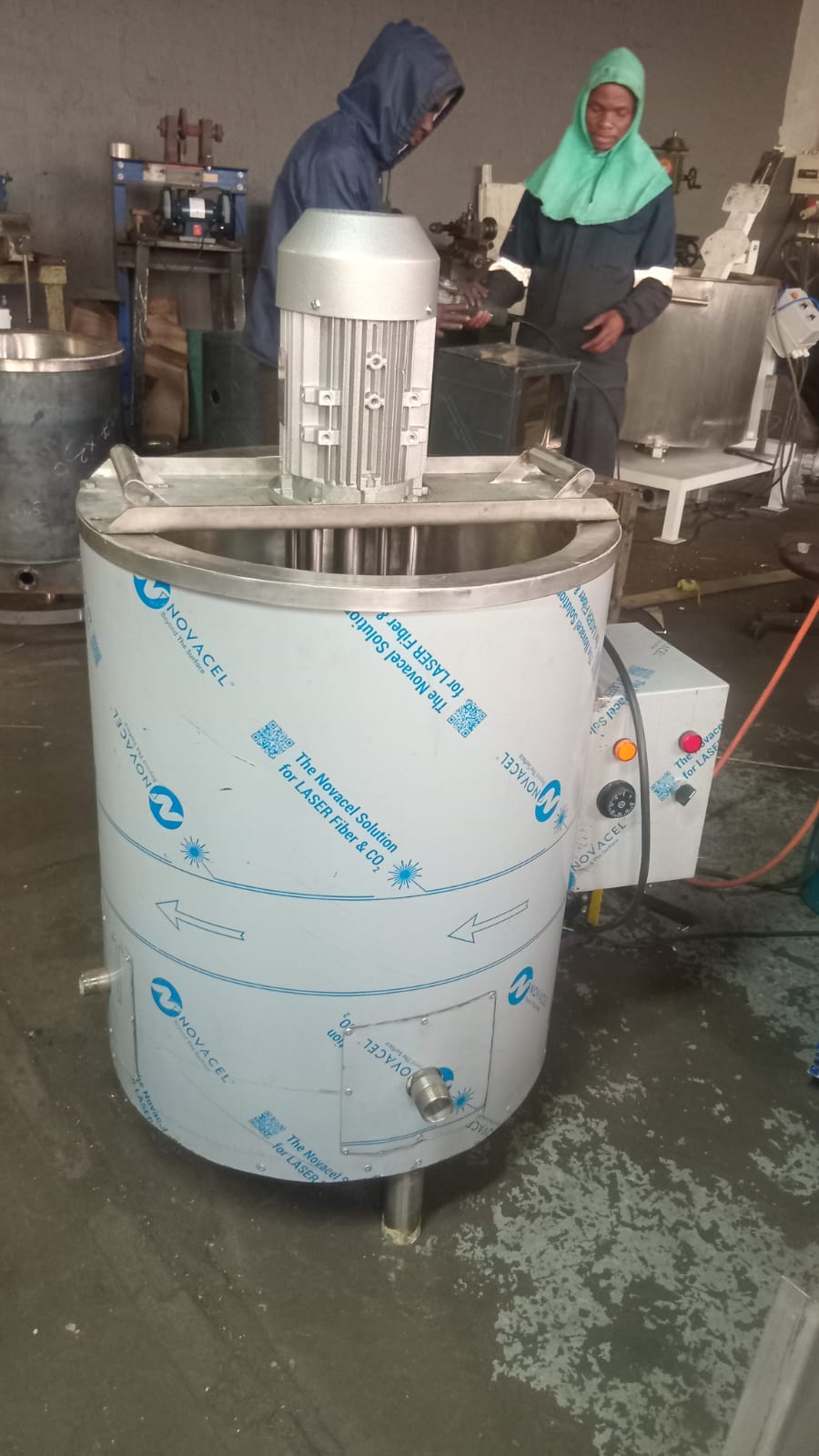
A jacketed homogenizer mixer is one of the most versatile pieces of equipment used in modern manufacturing. Designed to heat, cool, mix, emulsify, and homogenize products within a single vessel, these machines are widely used across the food, cosmetic, pharmaceutical, personal care, and chemical industries. Businesses that require smooth, uniform, and stable products often rely on jacketed homogenizer mixers to achieve consistent quality while improving production efficiency. Whether producing creams, sauces, lotions, gels, shampoos, or liquid detergents, a homogenizer mixer can significantly enhance product performance and appearance. What Is a Jacketed Homogenizer Mixer? A jacketed homogenizer mixer is a processing vessel equipped with a high-shear homogenizing system and an external jacket that allows controlled heating or cooling of the product during production. The homogenizer breaks down particles and droplets into extremely fine sizes, while the jacket maintains precise temperature control throughout the manufacturing process. This combination allows manufacturers to produce smooth and stable products with improved texture, consistency, and shelf life. How Does a Jacketed Homogenizer Mixer Work? The machine combines several functions within a single system. Heating and Cooling The jacket surrounding the mixing tank circulates hot water, steam, or cooling fluid to maintain the desired processing temperature. Mixing Agitators continuously blend ingredients to ensure uniform distribution throughout the batch. Homogenization A high-speed homogenizer creates intense shear forces that reduce particle size and produce a smooth, uniform product. Emulsification Oil and water-based ingredients are blended into stable emulsions that resist separation. These processes occur simultaneously, allowing for efficient and consistent production. Industries That Use Jacketed Homogenizer Mixers Cosmetic Manufacturing Cosmetic companies use homogenizer mixers to produce: Food Processing Food manufacturers commonly produce: Pharmaceutical Manufacturing Pharmaceutical companies use homogenizers for: Chemical Manufacturing The machines are also suitable for producing: Benefits of a Jacketed Homogenizer Mixer Superior Product Consistency Homogenization creates a smooth and uniform product that improves quality and appearance. Improved Product Stability Smaller particle sizes help prevent separation and extend shelf life. Faster Production Combining multiple processes into a single machine reduces production time. Precise Temperature Control The jacketed system allows accurate heating and cooling throughout processing. Reduced Labour Costs Automation reduces manual intervention and increases productivity. Versatile Applications A single machine can handle a wide range of products and formulations. Key Features to Look For When selecting a jacketed homogenizer mixer, consider the following features: Stainless Steel Construction Food-grade stainless steel provides durability, corrosion resistance, and easy cleaning. High-Shear Homogenizer A powerful homogenizing system ensures excellent particle size reduction. Jacketed Heating System Allows efficient temperature control for sensitive formulations. Variable Speed Controls Provides flexibility for different product types and viscosities. Vacuum Mixing Capability Vacuum systems help eliminate air bubbles and improve product appearance. Automated Control Panel Modern control systems improve accuracy and simplify operation. Common Capacities Available Jacketed homogenizer mixers are available in various sizes to suit different production requirements. Small Production Units Suitable for startups, laboratories, and product development. Medium-Scale Manufacturing Ideal for growing businesses with regular production requirements. Large Industrial Systems Designed for continuous commercial production and high-volume manufacturing. Choosing the correct capacity ensures efficient operation while supporting future business growth. Factors That Affect Pricing Several factors influence the cost of a jacketed homogenizer mixer: Businesses should focus on long-term reliability, performance, and production requirements rather than simply choosing the lowest-priced option. Why Manufacturers Invest in Jacketed Homogenizer Mixers Companies choose these machines because they deliver: For manufacturers seeking professional-grade production equipment, a jacketed homogenizer mixer is often one of the most valuable investments available. Conclusion A jacketed homogenizer mixer is an essential machine for businesses producing creams, lotions, sauces, detergents, pharmaceuticals, and other liquid or semi-liquid products. By combining heating, cooling, mixing, emulsification, and homogenization into a single system, these machines improve efficiency while delivering exceptional product quality. Whether you are launching a new manufacturing operation or upgrading existing equipment, investing in a quality jacketed homogenizer mixer can help increase productivity, improve consistency, and support long-term business growth.
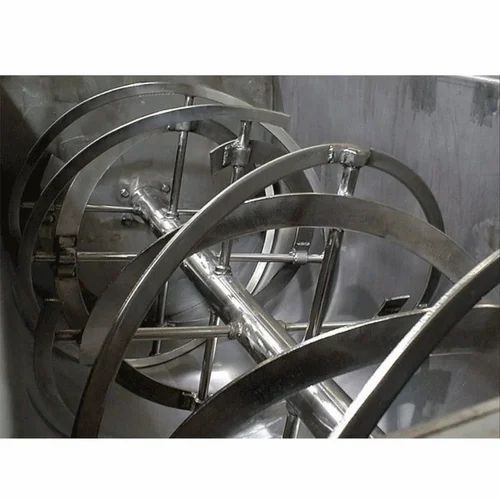
Mango Atchar Mixing Machine: Essential Equipment for Commercial Atchar Production
As demand for traditional South African mango atchar continues to grow, food manufacturers are increasingly investing in specialised mixing equipment to improve efficiency, product consistency, and production capacity. A mango atchar mixing machine is designed to thoroughly blend cut mango pieces with spices, oil, salt, and other ingredients, ensuring a consistent product in every batch. Whether you operate a small atchar business, a growing food processing facility, or a large-scale manufacturing plant, a commercial atchar mixer can significantly improve productivity while maintaining the quality customers expect. What Is a Mango Atchar Mixing Machine? A mango atchar mixing machine is a commercial food processing machine used to mix chopped mangoes with spices, seasoning blends, oils, preservatives, and flavouring ingredients. Unlike manual mixing methods, which can be labour-intensive and inconsistent, a mixing machine ensures that all ingredients are evenly distributed throughout the batch. This improves product quality, reduces preparation time, and increases production efficiency. Why Use a Mango Atchar Mixing Machine? Manual mixing may be suitable for very small operations, but as production volumes increase, maintaining consistency becomes more difficult. A commercial atchar mixer offers several advantages: These benefits make mixing machines an essential investment for businesses looking to scale their atchar production. How a Mango Atchar Mixing Machine Works The machine uses rotating paddles, ribbons, or specialised mixing blades to gently blend mango pieces with spices and oil. The mixing process is designed to: The result is a high-quality atchar product with uniform appearance and taste. Industries That Use Atchar Mixing Machines Mango Atchar Manufacturers Commercial atchar producers rely on mixing machines to maintain product consistency across large production runs. Food Processing Companies Businesses producing pickled fruits, vegetable preserves, and speciality condiments often use similar mixing equipment. Catering and Food Packaging Businesses Companies producing prepared food products benefit from the efficiency and consistency provided by commercial mixers. Agricultural Cooperatives Farm-based processing facilities use atchar mixing machines to add value to seasonal mango harvests. Types of Mango Atchar Mixing Machines Ribbon Mixers Ribbon mixers are commonly used for blending mango pieces with dry spices and seasoning mixtures. Paddle Mixers Paddle mixers provide gentle mixing action, making them ideal for preserving the texture of mango pieces. Drum Mixing Machines Rotating drum mixers are often used for larger batches and can handle substantial production volumes. Tilting Mixing Machines These machines simplify loading, mixing, and discharge operations, improving overall workflow. Features to Look For When purchasing a mango atchar mixing machine, consider the following features: Food-Grade Stainless Steel Construction Stainless steel helps maintain hygiene standards and prevents corrosion from acidic ingredients. Easy Cleaning Design Smooth surfaces and accessible components reduce cleaning time and improve food safety. Variable Mixing Speed Adjustable speeds allow operators to mix delicate mango pieces without causing damage. Durable Motor System A reliable motor ensures consistent operation and reduces downtime. Efficient Discharge Mechanism Quick discharge systems improve productivity and reduce product losses. Choosing the Right Capacity The ideal machine size depends on daily production requirements. Small Businesses Suitable for startup atchar manufacturers producing smaller batches. Medium-Sized Producers Designed for growing businesses with increasing customer demand. Large Commercial Operations Ideal for manufacturers supplying supermarkets, wholesalers, and distributors. Selecting the correct capacity helps maximise efficiency while avoiding unnecessary operating costs. Factors That Affect Machine Prices Several factors influence the cost of a mango atchar mixing machine: Investing in a quality machine often provides better long-term value through improved reliability and lower maintenance costs. Benefits of Automation in Atchar Production Modern mixing equipment allows businesses to: As the market for traditional food products continues to expand, automated processing equipment plays an important role in maintaining competitiveness. Conclusion A mango atchar mixing machine is a valuable investment for any business involved in commercial atchar production. By improving consistency, increasing productivity, and reducing labour costs, these machines help manufacturers produce high-quality products more efficiently. Whether you are launching a new atchar business or expanding an existing operation, choosing the right mixing machine can support long-term growth and improve overall production performance.