
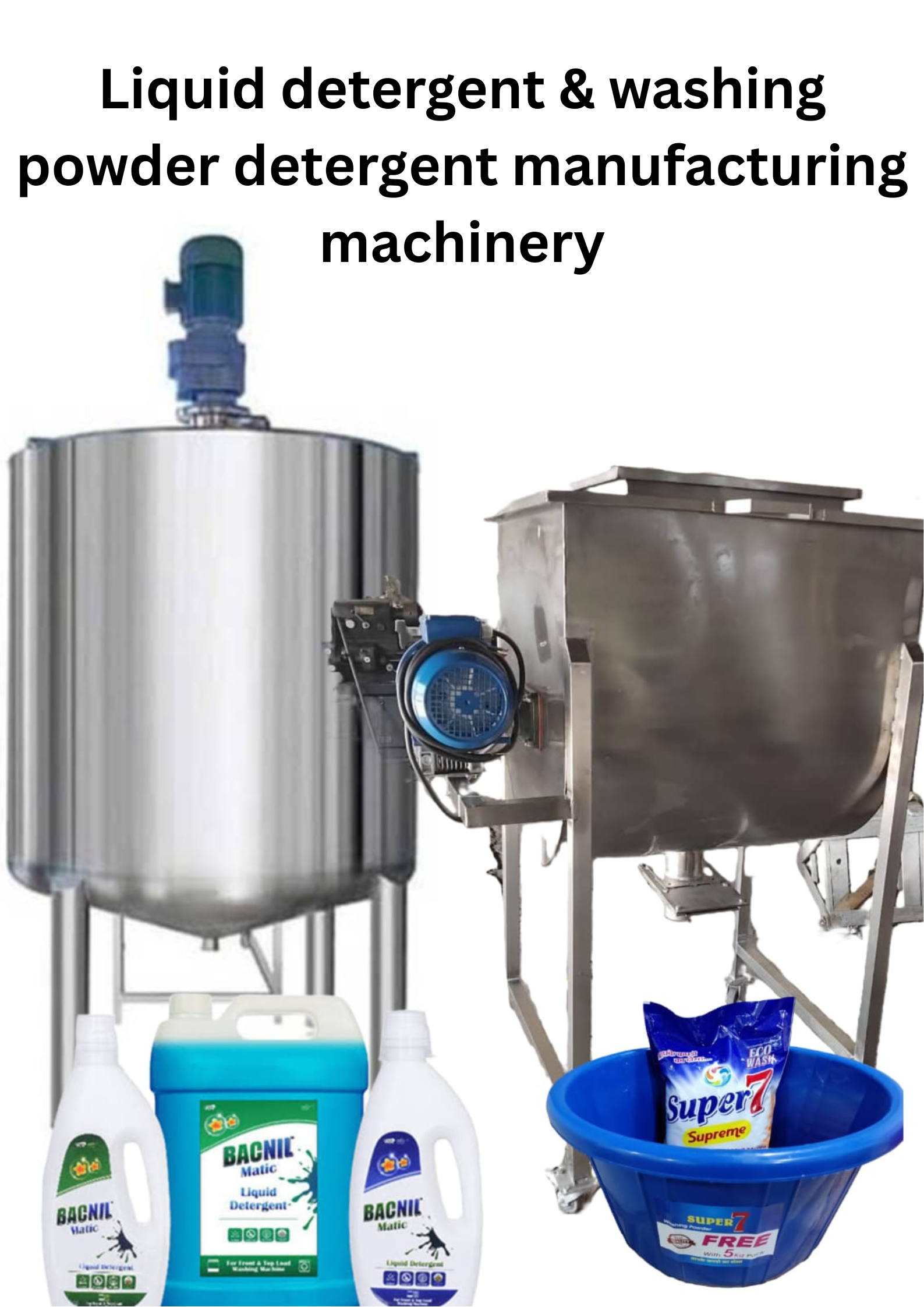
The detergent manufacturing industry in South Africa continues to grow due to strong demand from households, laundromats, hotels, and commercial cleaning companies. Businesses entering this industry require reliable powder detergent and liquid detergent manufacturing machinery to ensure efficient production and consistent product quality. Whether you are producing washing powder, dishwashing liquid, laundry detergent, or cleaning chemicals, choosing the right equipment is essential for business success. What is Detergent Manufacturing Machinery? Detergent manufacturing machinery includes machines used to: These machines can be used for both powder detergent and liquid detergent production. Powder Detergent Manufacturing Machinery Powder detergent production requires machines designed for dry powder mixing and packaging. Main Machines Used for Powder Detergent Production Ribbon Blender A ribbon blender is the most commonly used machine for washing powder production. It ensures even mixing of detergent ingredients and powders. Powder Mixer Used for blending chemicals, fragrances, and cleaning agents into uniform mixtures. Sieving Machine Removes lumps and improves powder consistency. Powder Packaging Machine Used to package detergent powder into bags or sachets. Powder Detergent Production Process Step 1: Raw Material Measurement Ingredients are weighed according to the formula. Step 2: Mixing The ribbon blender mixes all ingredients evenly. Step 3: Sieving Powder passes through a sieve for uniform texture. Step 4: Packaging The detergent powder is packed into bags or containers. Liquid Detergent Manufacturing Machinery Liquid detergent production uses mixing tanks and liquid filling systems. Main Machines Used for Liquid Detergent Production Mixing Tank with Agitator Used for blending liquid detergent ingredients. Heating Tank Helps dissolve and process raw materials. Homogenizer (Optional) Improves consistency and texture for thicker products. Liquid Filling Machine Fills detergents into bottles and containers accurately. Capping Machine Seals bottles after filling. Labelling Machine Applies labels to finished products. Liquid Detergent Production Process Step 1: Water and Chemical Mixing Ingredients are combined inside the mixing tank. Step 2: Agitation The agitator blends materials into a uniform solution. Step 3: Heating (If Required) Some formulations require controlled heating. Step 4: Filling Finished detergent is filled into bottles. Step 5: Packaging Products are capped, labeled, and prepared for sale. Detergent Manufacturing Machinery Prices in South Africa Prices vary depending on machine size, material quality, and automation. Powder Detergent Machinery Prices Small Machines Medium-Scale Systems Industrial Production Lines Liquid Detergent Machinery Prices Small Mixing Tanks Semi-Automatic Filling Systems Fully Automatic Production Lines Benefits of Detergent Manufacturing Machinery Increased Production Speed Machines improve efficiency and reduce manual labor. Consistent Product Quality Uniform mixing ensures reliable detergent quality. Scalability Supports business growth and higher demand. Lower Operating Costs Automation improves long-term profitability. How to Choose the Right Machinery For Startups For Growing Businesses For Industrial Production Common Mistakes to Avoid Why Detergent Manufacturing is Profitable Detergents remain essential household and commercial products, creating stable business opportunities. Conclusion Investing in powder detergent and liquid detergent manufacturing machinery allows businesses to produce high-quality cleaning products efficiently and at scale. Whether you are starting a small detergent business or building a large manufacturing operation, choosing the right equipment will improve production quality, increase efficiency, and support long-term growth. FAQ Section (SEO Optimized) What machines are needed to manufacture detergent powder?You need a ribbon blender, powder mixer, sieving machine, and packaging equipment. What equipment is used for liquid detergent production?Mixing tanks, agitators, filling machines, capping machines, and labeling machines are commonly used. How much does detergent manufacturing machinery cost in South Africa?Prices range from around R20,000 for small setups to over R1,500,000 for industrial production lines. Can small businesses start detergent manufacturing?Yes, many businesses start with small mixing machines and scale gradually.
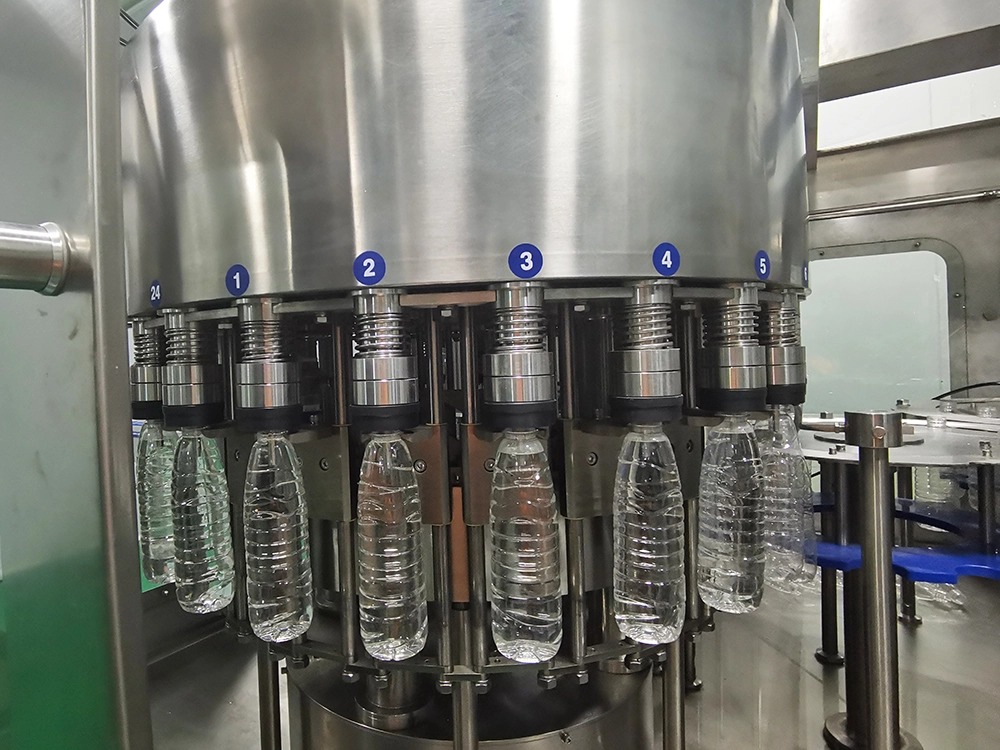
Water Gravity Filling Machine – Complete Guide for Bottled Water Production
A water gravity filling machine is one of the most widely used systems in bottled water production. These machines are designed to fill bottles quickly, accurately, and efficiently using gravity flow technology. They are ideal for still water, purified water, mineral water, and other low-viscosity liquids. Gravity filling systems are commonly used by startups, medium-scale bottling companies, and industrial beverage manufacturers. What is a Water Gravity Filling Machine? A water gravity filling machine uses the natural force of gravity to transfer liquid into bottles. The liquid flows from a storage tank into filling nozzles positioned above containers. These machines are specifically designed for thin liquids that flow freely without requiring pressure filling. Gravity filling is widely used for bottled water because of its simplicity, speed, and cost-effectiveness. How a Water Gravity Filling Machine Works Step 1: Bottle Feeding Empty bottles move onto the filling station manually or via conveyor. Step 2: Filling Process Water flows into bottles through gravity-fed nozzles. Step 3: Volume Control The machine controls fill levels for consistency and accuracy. Step 4: Bottle Transfer Filled bottles move to capping and labeling systems. Modern gravity filling systems can integrate rinsing, filling, and capping into a single production unit. Applications of Water Gravity Filling Machines These machines are used for: Gravity fillers are specifically designed for free-flowing liquids with low viscosity. Types of Water Gravity Filling Machines Manual Gravity Filling Machines Suitable for small-scale production and startups. Semi-Automatic Gravity Fillers Offer better speed and accuracy with moderate investment. Fully Automatic Gravity Filling Machines Used in industrial bottling plants with conveyor systems and multiple filling heads. Some industrial systems can achieve production speeds of thousands of bottles per hour depending on machine configuration. Water Gravity Filling Machine Prices Prices depend on production capacity, filling heads, and automation level. Manual Machines Semi-Automatic Machines Fully Automatic Machines Key Features to Look For Stainless Steel Construction Ensures hygiene and durability for food-grade production. Multiple Filling Heads Improves filling speed and productivity. Adjustable Fill Volume Supports different bottle sizes and capacities. No-Drip Filling Nozzles Reduces product waste and maintains cleanliness. Conveyor Integration Supports automated production lines. Benefits of Water Gravity Filling Machines High Filling Accuracy Ensures consistent bottle volumes. Fast Production Speed Improves manufacturing efficiency. Low Maintenance Simple operating system with fewer moving parts. Cost-Effective More affordable than pressure filling systems. How to Choose the Right Machine For Startups Choose manual or small semi-automatic systems. For Medium Businesses Use multi-head semi-automatic filling machines. For Industrial Production Invest in fully automatic rotary or linear gravity fillers. Common Mistakes to Avoid Why Gravity Filling Machines Are Popular Water gravity filling machines remain popular because they are: Their simple operating principle makes them one of the best solutions for water bottling businesses. Conclusion A water gravity filling machine is an essential investment for bottled water production. Whether you are starting a small bottling business or building a large industrial operation, these machines provide efficient, accurate, and scalable filling solutions. Choosing the right machine based on your production goals will improve efficiency, maintain product quality, and support business growth. FAQ Section (SEO Optimized) What is a water gravity filling machine used for?It is used for filling bottled water and other low-viscosity liquids. How much does a water gravity filling machine cost?Prices range from around R10,000 for small systems to over R500,000 for industrial machines. Can gravity filling machines fill juice and beverages?Yes, they are suitable for many non-carbonated liquids. What is the advantage of gravity filling?Gravity filling is simple, affordable, accurate, and easy to maintain.
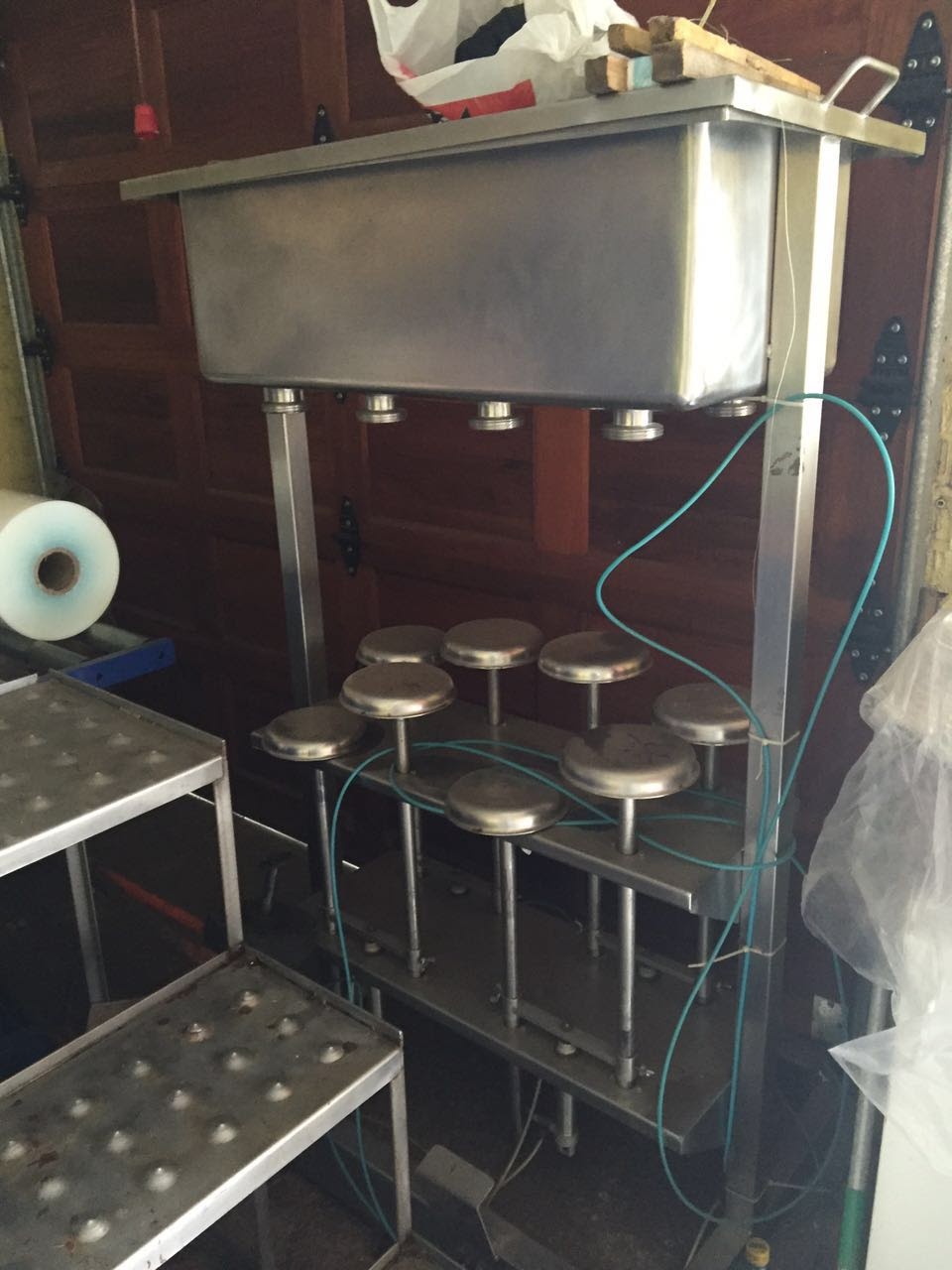
Gravity Filling Machine – Complete Guide for Liquid Filling Operations
A gravity filling machine is one of the most widely used liquid filling systems in the packaging industry. It is designed to fill bottles and containers using gravity flow, making it ideal for water-thin and low-viscosity liquids. These machines are commonly used in industries such as food and beverage, cosmetics, chemicals, pharmaceuticals, and cleaning products. What is a Gravity Filling Machine? A gravity filling machine uses the natural force of gravity to transfer liquid from a holding tank into containers. The liquid flows through filling nozzles into bottles with controlled timing and volume. Gravity fillers are best suited for products that maintain a consistent viscosity during filling. How a Gravity Filling Machine Works Step 1: Product Storage Liquid is stored in a reservoir or holding tank above the filling nozzles. Step 2: Bottle Positioning Containers are placed beneath the nozzles manually or automatically. Step 3: Filling Process The liquid flows into the containers using gravity. Step 4: Fill Control The machine controls fill volume through timed flow or level filling. Step 5: Bottle Transfer Filled bottles move to capping and labeling stations. Products Suitable for Gravity Filling Machines Gravity filling machines are ideal for: These machines are specifically designed for thin and free-flowing liquids. Types of Gravity Filling Machines Manual Gravity Filling Machine Suitable for startups and low-volume production. Semi-Automatic Gravity Filling Machine Improves filling speed while still requiring operator assistance. Fully Automatic Gravity Filling Machine Designed for industrial production with conveyor systems and multiple filling heads. Gravity Filling Machine Prices in South Africa Prices vary depending on machine size, filling heads, and automation level. Manual Machines Semi-Automatic Machines Fully Automatic Machines Key Features to Look For Stainless Steel Construction Ensures hygiene and durability. Multiple Filling Heads Increases production speed. Adjustable Fill Volume Allows flexibility for different bottle sizes. No-Drip Nozzles Prevents product waste and mess. Conveyor Integration Supports automated production lines. Benefits of Gravity Filling Machines Simple Operation Easy to use and maintain. Cost-Effective More affordable than complex pump systems. Accurate Filling Provides repeatable and consistent fill volumes. Versatility Works with various bottle shapes and sizes. Industries That Use Gravity Fillers Beverage Industry Water, juice, and non-carbonated drinks. Cosmetic Industry Perfumes, toners, and liquid skincare products. Chemical Industry Cleaning chemicals and detergents. Pharmaceutical Industry Low-viscosity medicinal liquids. How to Choose the Right Gravity Filling Machine For Startups Choose manual or small semi-automatic machines. For Growing Businesses Invest in multi-head semi-automatic systems. For Industrial Production Select fully automatic conveyor-based filling lines. Common Mistakes to Avoid Why Gravity Fillers Are Popular Gravity filling machines remain popular because they are: Many manufacturers prefer them for water-thin products because of their simplicity and efficiency. Conclusion A gravity filling machine is an excellent solution for businesses filling low-viscosity liquids. Whether you are starting a small business or building a full production line, these machines provide efficient, accurate, and cost-effective filling. Choosing the right machine based on your production needs will improve productivity and help scale your business successfully. FAQ Section (SEO Optimized) What is a gravity filling machine used for?It is used to fill low-viscosity liquids such as water, juice, perfumes, and cleaning products. How much does a gravity filling machine cost in South Africa?Prices range from around R5,000 for small manual units to over R500,000 for industrial systems. Can gravity fillers handle thick liquids?No, they are best suited for thin and free-flowing liquids. What industries use gravity filling machines?Food, beverages, cosmetics, chemicals, and pharmaceuticals commonly use gravity fillers.