
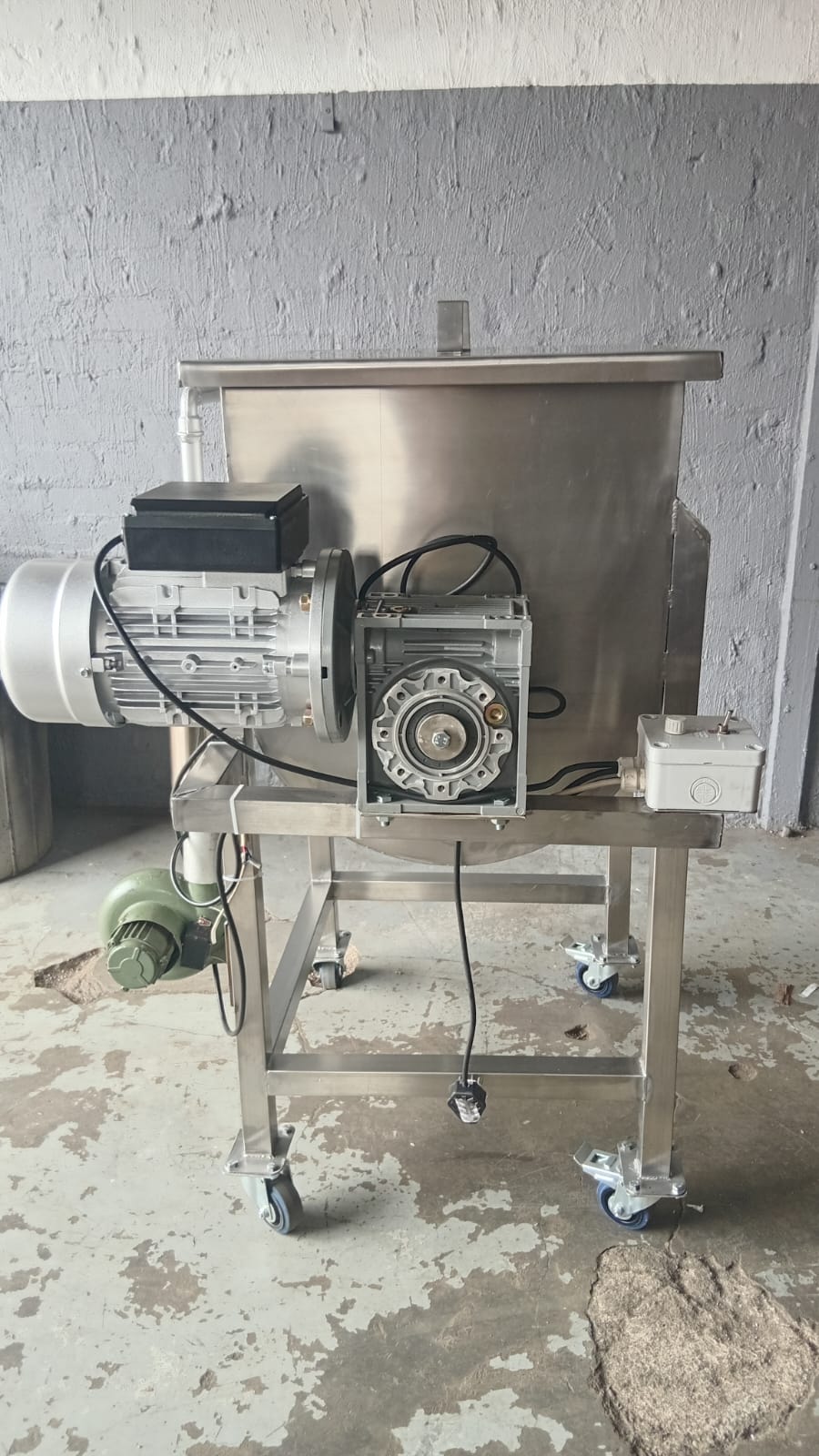
The demand for powder-based products in South Africa continues to grow across industries such as detergents, cosmetics, food processing, and chemicals. To ensure consistent quality and efficient production, businesses rely on small ribbon blenders. A small ribbon blender for powder mixing is one of the most effective and widely used machines for blending dry materials. It offers fast, uniform mixing and is ideal for startups and small to medium-sized production operations. What is a Small Ribbon Blender? A small ribbon blender is a horizontal mixing machine designed to blend powders and granules using a double helical ribbon system. The inner and outer ribbons rotate simultaneously, moving materials in opposite directions to create a uniform mixture. These machines are compact, efficient, and suitable for various applications, making them a popular choice in South Africa. How a Ribbon Blender Works The mixing process is simple but highly effective: Loading Raw materials are added into the U-shaped mixing chamber. Mixing The ribbon agitator rotates, moving materials both inward and outward. Blending This dual movement ensures even distribution of all ingredients. Discharge The finished product is released through a bottom outlet valve. This process ensures fast mixing with minimal material waste. Common Applications Small ribbon blenders are used in a wide range of industries: Detergent Manufacturing Mixing washing powder and cleaning products. Cosmetics Industry Blending powders for skincare and beauty products. Food Processing Mixing spices, flour, and dry ingredients. Chemical Industry Combining powdered chemicals and compounds. Available Sizes and Capacities Small ribbon blenders typically come in: Choosing the right size depends on your production needs and future growth plans. Price of Small Ribbon Blenders in South Africa Prices vary depending on size, build quality, and features. Typical Price Range Higher-capacity machines cost more but provide better efficiency and scalability. Key Features to Look For Stainless Steel Construction Ensures hygiene and durability, especially for food and cosmetics. Efficient Mixing System Double ribbon design for uniform blending. Motor Power Adequate power ensures proper mixing of heavy powders. Discharge Valve Allows easy and quick unloading of materials. Safety Features Protects operators and ensures smooth operation. Benefits of Using a Ribbon Blender Uniform Mixing Ensures consistent product quality. Fast Processing Reduces production time significantly. Versatility Handles a wide range of powders and granules. Low Maintenance Simple design with minimal maintenance requirements. How to Choose the Right Ribbon Blender For Startups Choose smaller units (20–50kg) to reduce initial investment. For Growing Businesses Opt for 100kg machines for better efficiency and output. For Scaling Production Consider 200L+ machines to meet higher demand. Common Mistakes to Avoid Avoiding these mistakes can save costs and improve productivity. Why Invest in a Ribbon Blender? A ribbon blender is a long-term investment that supports business growth. Conclusion A small ribbon blender for powder mixing in South Africa is an essential machine for businesses involved in powder production. It offers efficient, uniform mixing and supports a wide range of industries. Whether you are starting a new business or expanding your production, choosing the right ribbon blender will improve efficiency, product quality, and profitability. FAQ Section (SEO Optimized) What is a ribbon blender used for?It is used to mix powders and granules uniformly in various industries. What size ribbon blender should I buy?Startups can use 20–50kg, while growing businesses should consider 100kg or more. How much does a small ribbon blender cost in South Africa?Prices typically range from R30,000 to over R200,000 depending on size and features. Is a ribbon blender suitable for detergent production?Yes, it is one of the most commonly used machines for detergent powder mixing.
Cosmetic Filling Machine Price in South Africa – Complete Cost Guide
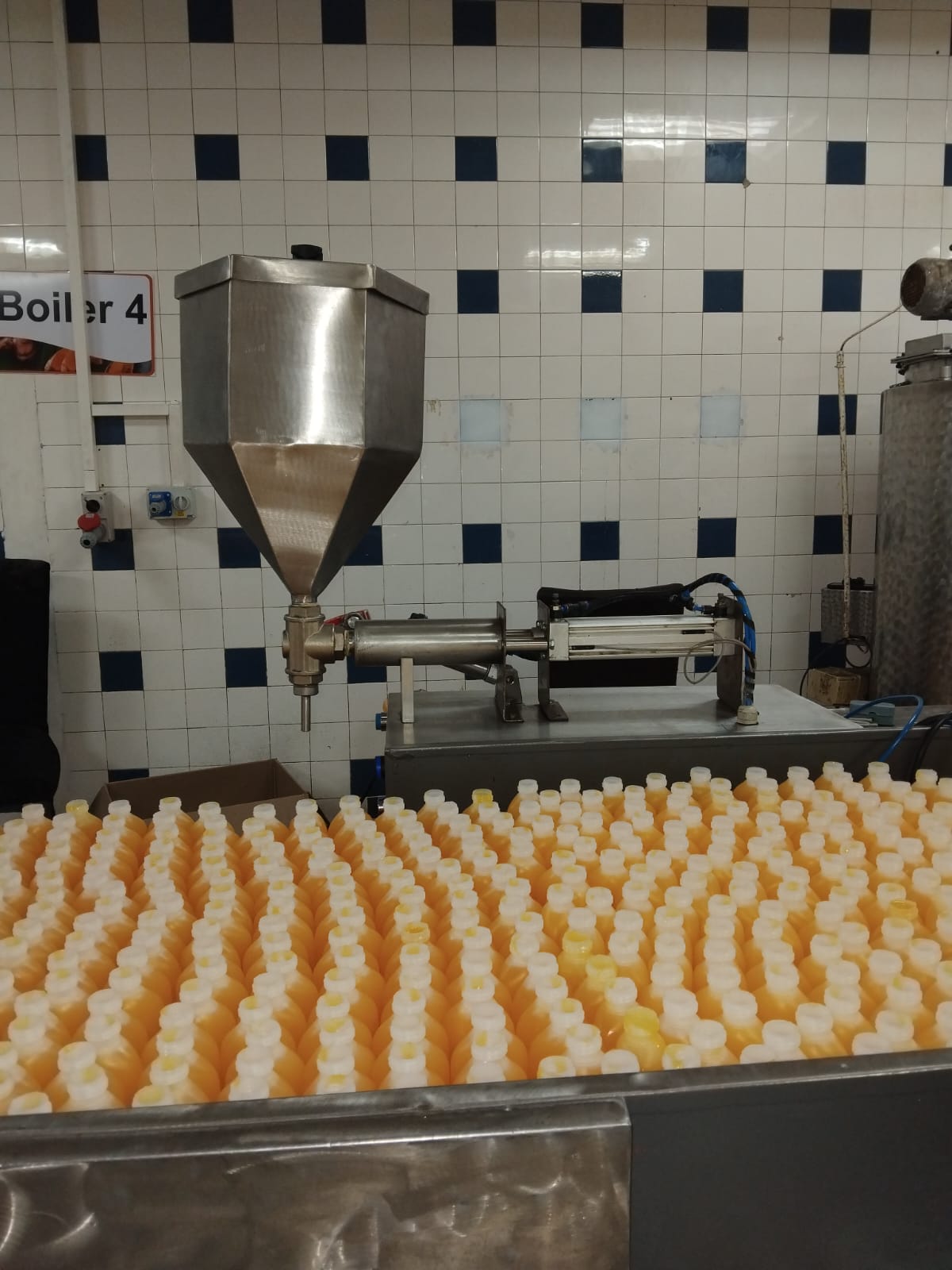
The cosmetic industry in South Africa is expanding rapidly, with increasing demand for products such as lotions, creams, shampoos, and serums. One of the most important machines in any cosmetic production line is a cosmetic filling machine. Understanding the cosmetic filling machine price in South Africa helps businesses plan their investment and choose the right equipment for their production needs. What is a Cosmetic Filling Machine? A cosmetic filling machine is used to accurately fill liquid and semi-liquid products into containers such as bottles, jars, and tubes. These machines are commonly used for: They ensure consistent filling, reduce waste, and improve production efficiency. Cosmetic Filling Machine Price in South Africa Prices vary depending on the type of machine, level of automation, and production capacity. Manual Filling Machines Basic manual piston fillers can start from around R4,600 for small-scale use. Semi-Automatic Filling Machines Some semi-automatic piston fillers in South Africa start from around R22,500 depending on specifications. Fully Automatic Filling Machines Fully automatic piston filling systems can start from around R80,000 and increase based on features and capacity. Factors That Affect Price Machine Type Manual machines are cheaper, while automatic systems cost more. Number of Filling Heads More nozzles increase production speed and price. Capacity and Speed Higher output machines are more expensive. Product Type Machines for thick creams require stronger systems. Build Quality Stainless steel (SS316) machines cost more but are more durable and hygienic. Types of Cosmetic Filling Machines Piston Filling Machine Best for creams, lotions, and viscous products. Gravity Filling Machine Suitable for thin liquids like toners and perfumes. Pump Filling Machine Used for both liquids and semi-viscous products. Tube Filling Machine Designed for toothpaste, gels, and ointments. Production Capacity Different machines offer different output levels: Some automatic machines can fill dozens of bottles per minute depending on configuration. Benefits of Investing in a Cosmetic Filling Machine High Accuracy Ensures consistent product volume. Increased Efficiency Speeds up production. Reduced Waste Minimizes product loss. Professional Packaging Improves product quality and presentation. Which Machine Should You Choose? For Startups Manual or small semi-automatic machines are cost-effective. For Growing Businesses Semi-automatic machines offer better efficiency and scalability. For Industrial Production Fully automatic machines provide high-speed output and automation. Cost vs Return on Investment While automatic machines require higher investment, they: This leads to faster return on investment over time. Cosmetic Manufacturing in South Africa South Africa offers strong opportunities in: With increasing demand for locally produced cosmetics, investing in filling equipment can be highly profitable. Conclusion The cosmetic filling machine price in South Africa varies depending on the type, capacity, and automation level. From affordable manual machines to advanced automatic systems, there are options for every business size. Choosing the right machine ensures efficiency, consistent quality, and long-term growth in the cosmetic manufacturing industry. FAQ Section (SEO Optimized) How much does a cosmetic filling machine cost in South Africa?Prices range from around R4,000 for manual machines to over R300,000 for fully automatic systems. What is the best filling machine for creams and lotions?A piston filling machine is ideal for viscous cosmetic products. Can I start with a small filling machine?Yes, manual or semi-automatic machines are perfect for startups. Is a cosmetic filling machine profitable?Yes, it increases efficiency, reduces waste, and supports business growth.
Used Piston Filling Machine South Africa – Complete Buying Guide
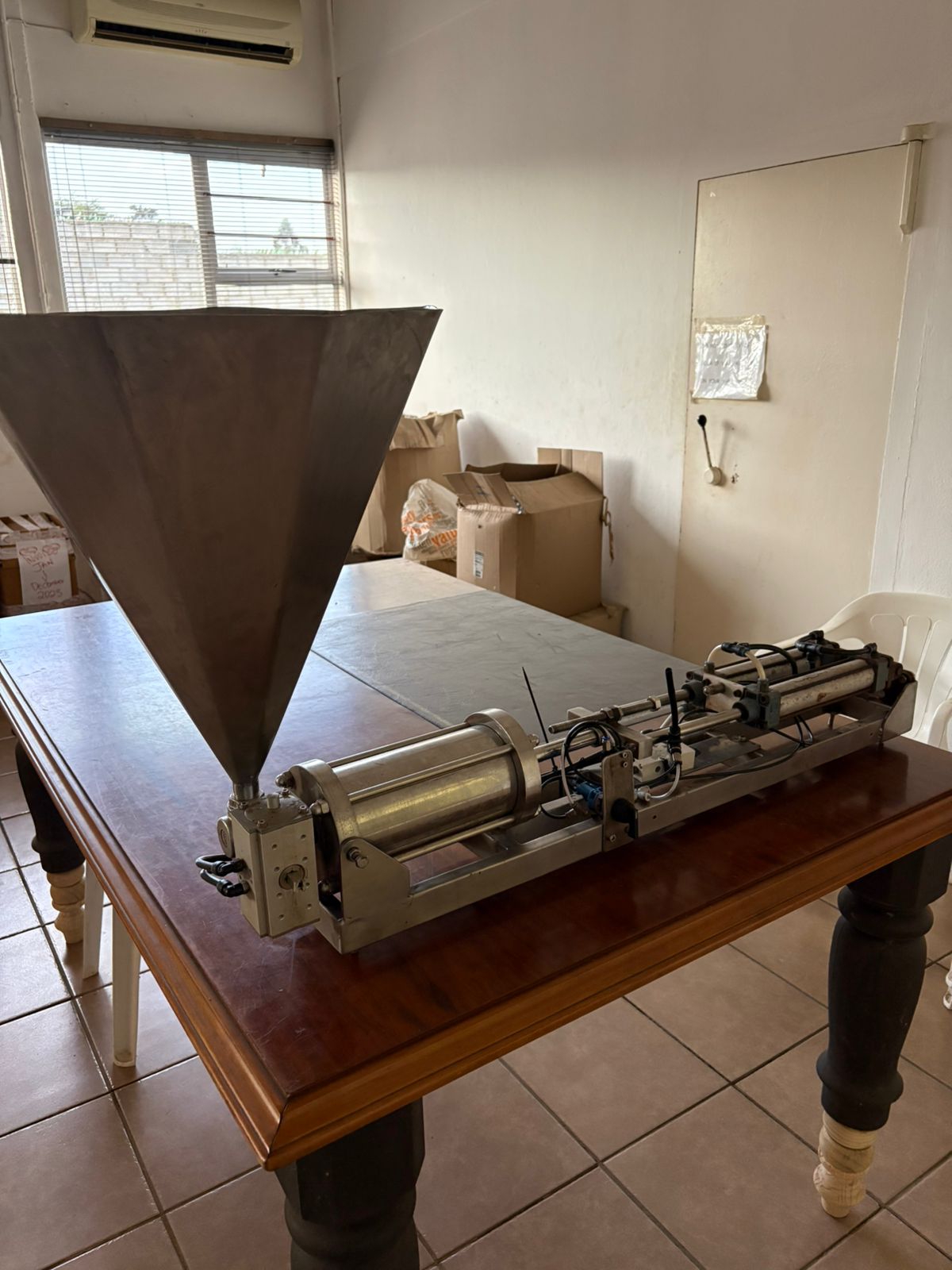
In industries such as cosmetics, food processing, and chemicals, accurate filling is critical for product quality and consistency. A piston filling machine is one of the most reliable solutions for filling liquids, creams, and pastes. For businesses looking to reduce costs, purchasing a used piston filling machine in South Africa is a smart and cost-effective option. These machines offer excellent performance at a lower investment compared to new equipment. What is a Piston Filling Machine? A piston filling machine is a type of volumetric filler that uses a piston mechanism to draw and dispense a precise amount of product into containers. It is ideal for: Piston fillers are widely used because of their high accuracy and versatility. How a Piston Filling Machine Works Product Intake The piston draws a specific volume of product into the cylinder. Measurement The volume is controlled by the piston stroke length. Dispensing The product is pushed into the container through a nozzle. Anti-Drip Control Valves prevent dripping and ensure clean filling. This system ensures precise and repeatable filling for each container. Types of Used Piston Filling Machines Manual Piston Filler Semi-Automatic Piston Filler Fully Automatic Piston Filler Some industrial piston fillers can achieve up to 99% filling accuracy and handle various product viscosities. Applications Across Industries Cosmetics Industry Filling creams, lotions, shampoos, and gels. Food Industry Used for sauces, mayonnaise, jam, and syrups. Chemical Industry Filling detergents, cleaning liquids, and industrial products. Pharmaceutical Industry Used for creams, ointments, and medicinal liquids. What You Can Produce With a used piston filling machine, you can package: This versatility makes piston fillers highly valuable. Benefits of Buying Used Piston Filling Machines Lower Cost Used machines are significantly cheaper than new ones. High Accuracy Provides precise volumetric filling. Durable Construction Most machines are made from stainless steel for long-term use. Quick ROI Lower investment leads to faster profitability. What to Check Before Buying Before purchasing a used piston filler, inspect: Machine Condition Check for wear, corrosion, and structural damage. Piston and Cylinder Ensure smooth movement and proper sealing. Valves and Nozzles Verify anti-drip functionality. Motor and Pneumatics Test performance and air system efficiency. Hygiene Standards Ensure the machine is clean and suitable for your industry. Price of Used Piston Filling Machines in South Africa Prices vary depending on: Typical Price Range For example, industrial multi-head piston fillers can handle viscous products like sauces and lotions efficiently in medium to high production environments. How to Choose the Right Machine For Startups Choose manual or semi-automatic machines with lower capacity. For Growing Businesses Opt for semi-automatic or small automatic systems. For Industrial Production Invest in fully automatic multi-head piston fillers. Why Invest in a Used Piston Filling Machine? Piston Filling Machines in South Africa South Africa has a growing manufacturing sector with demand for: Used piston filling machines are widely available and provide a cost-effective entry into these industries. Conclusion A used piston filling machine in South Africa is an excellent investment for businesses looking to produce and package liquids, creams, and pastes efficiently. With proper inspection and selection, second-hand machines can deliver reliable performance, reduce costs, and help you scale your production. FAQ Section (SEO Optimized) What is a piston filling machine used for?It is used to fill liquids, creams, and pastes accurately into containers. Is a used piston filling machine reliable?Yes, if properly maintained and inspected before purchase. What products can be filled with a piston filler?Shampoo, lotion, sauces, detergents, and other viscous products. How accurate is a piston filling machine?Most machines offer high accuracy, often around 99%.
Industrial Homogenizer for Skincare Manufacturing in South Africa – Complete Guide
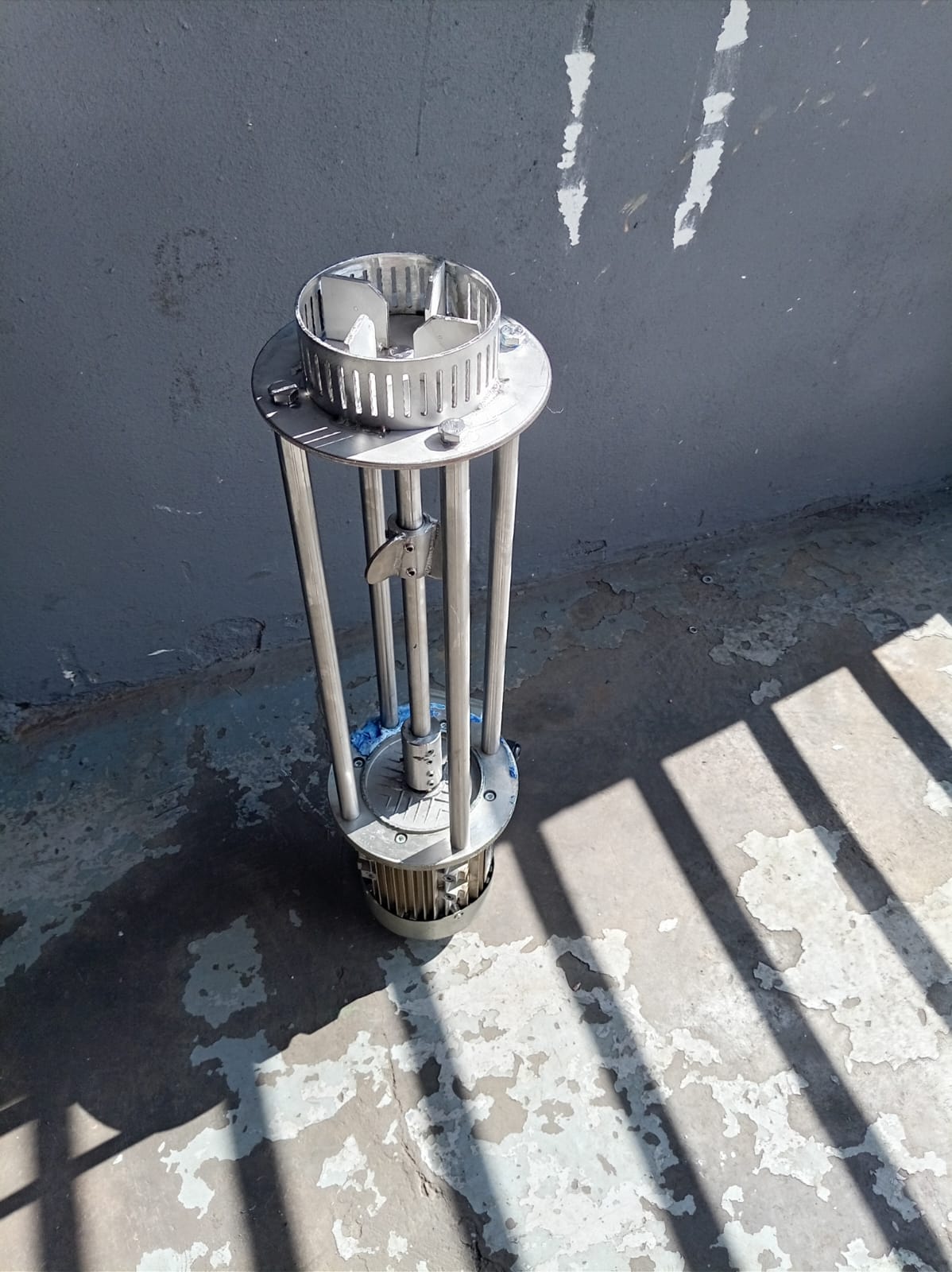
The skincare industry in South Africa is growing rapidly, with increasing demand for high-quality products such as creams, lotions, serums, and body butters. To achieve smooth textures and stable formulations, manufacturers rely on industrial homogenizers. An industrial homogenizer for skincare manufacturing is a critical machine used to mix, emulsify, and refine cosmetic products to professional standards. What is an Industrial Homogenizer? An industrial homogenizer is a high-performance mixing machine designed to reduce particle size and create uniform, stable emulsions. It ensures that oil and water phases combine properly, resulting in smooth and consistent products. Homogenizers are widely used in: They are essential for producing high-quality emulsions like creams and lotions. Why Homogenizers are Essential in Skincare Manufacturing Smooth Texture Homogenizers break down particles to create fine, silky textures in creams and lotions. Stable Emulsions They prevent separation of oil and water phases, ensuring product stability. Professional Quality Industrial homogenizers deliver consistent results across large batches. Enhanced Absorption Finer particles improve how products absorb into the skin. Types of Industrial Homogenizers High Shear Homogenizer Uses rotor-stator technology to rapidly mix and emulsify ingredients. Vacuum Emulsifying Homogenizer Removes air during mixing, preventing bubbles and improving product quality. High-Pressure Homogenizer Uses pressure to reduce particle size and create ultra-fine emulsions. Inline Homogenizer Used in continuous production systems for large-scale manufacturing. How a Homogenizer Works Mixing Phase Ingredients are introduced into the mixing tank. High-Speed Rotation The rotor spins at high speed, creating shear forces. Particle Size Reduction Large particles are broken down into smaller ones. Emulsification Oil and water phases are combined into a stable mixture. This process ensures uniform consistency and prevents separation. Applications in Skincare Products Industrial homogenizers are used to manufacture: These machines are essential for achieving high-end cosmetic quality. Features of Industrial Homogenizers Stainless Steel Construction Typically made from SS304 or SS316 for hygiene and durability. High-Speed Mixing Delivers efficient and fast processing. Temperature Control Jacketed systems allow heating and cooling during production. Vacuum System (Optional) Improves product quality by removing air bubbles. Adjustable Speed Allows control over mixing intensity and consistency. Industrial Homogenizer Capacity Options Small-Scale (5L – 50L) Medium-Scale (50L – 300L) Large-Scale (300L – 2000L+) For example, some industrial cosmetic homogenizers offer capacities around 300L for large-scale production. Price of Industrial Homogenizers in South Africa Prices vary based on size and features: Advanced systems with vacuum and heating features cost more but provide superior results. Benefits of Investing in an Industrial Homogenizer Consistent Product Quality Ensures uniform texture across all batches. Increased Production Efficiency Reduces processing time and improves output. Scalability Supports business growth and expansion. Versatility Suitable for multiple cosmetic and personal care products. Skincare Manufacturing in South Africa South Africa presents strong opportunities for skincare manufacturing due to: Many local suppliers provide homogenizers, mixing tanks, and full cosmetic production lines tailored to skincare businesses. How to Choose the Right Homogenizer For Startups Choose small or lab-scale homogenizers with basic features. For Growing Businesses Invest in medium-capacity machines with heating and emulsifying capabilities. For Industrial Production Choose large vacuum homogenizers with automation and advanced controls. Conclusion An industrial homogenizer for skincare manufacturing in South Africa is essential for producing high-quality cosmetic products. It ensures smooth textures, stable emulsions, and efficient production. Whether you are starting a skincare brand or scaling your factory, investing in the right homogenizer will improve product quality, increase efficiency, and support long-term business growth. FAQ Section (SEO Optimized) What is a homogenizer used for in skincare?It is used to mix and emulsify ingredients to create smooth creams and lotions. What is the best homogenizer for cosmetics?A vacuum emulsifying homogenizer is ideal for high-quality skincare products. How much does a homogenizer cost in South Africa?Prices start from around R30,000 for small units and increase for industrial systems. Can I start with a small homogenizer?Yes, small units are suitable for startups and product testing.
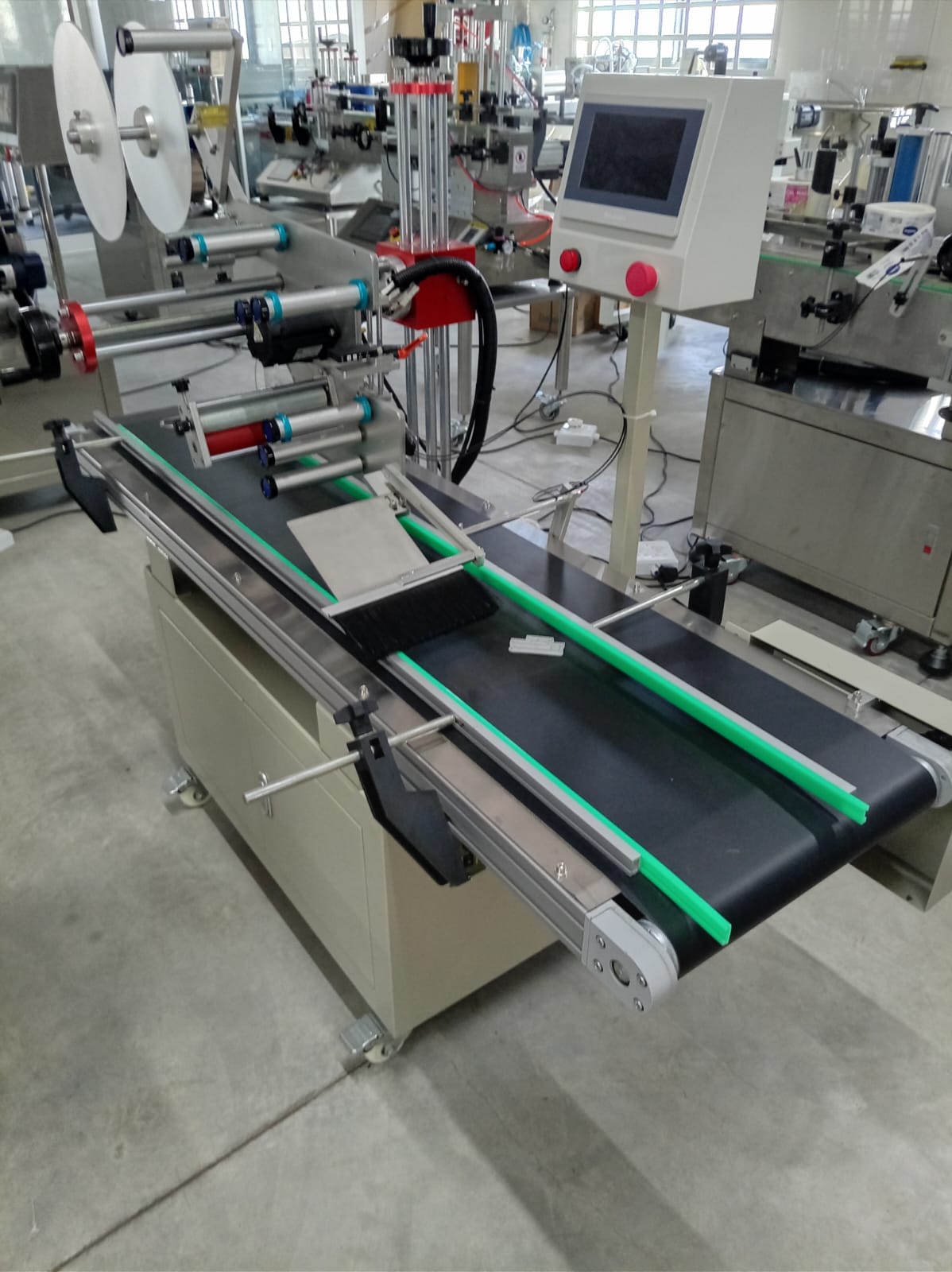
Flat Sachet Labelling Machine – Complete Buying Guide
Flat sachets are widely used across industries such as cosmetics, food, pharmaceuticals, and chemicals. Products like shampoo sachets, sauces, powders, and sample packs require accurate and professional labeling for branding and compliance. A flat sachet labelling machine is specifically designed to apply labels onto flat packaging surfaces such as sachets, pouches, and small bags. These machines improve efficiency, accuracy, and consistency in production. What is a Flat Sachet Labelling Machine? A flat sachet labelling machine is a packaging machine used to apply adhesive labels onto flat or flexible packaging materials. These machines ensure precise placement and eliminate manual errors. Modern machines can achieve high precision with labeling accuracy of around ±1 mm and can handle various label sizes and pouch dimensions. How the Machine Works Pouch Feeding Sachets are fed manually or automatically into the machine depending on the level of automation. Label Dispensing Labels are supplied in rolls and released in sync with the machine’s operation. Label Application The label is applied using rollers, pressure systems, or air-assisted mechanisms. Alignment and Finishing Sensors ensure proper positioning, preventing wrinkles, bubbles, or misalignment. Advanced machines use PLC control systems and sensors to maintain consistent labeling even on thin or reflective materials. Types of Flat Sachet Labelling Machines Manual Machines Semi-Automatic Machines Fully Automatic Machines Applications Across Industries Flat sachet labelling machines are used in: Cosmetics Industry Shampoo sachets, skincare samples, creams Food Industry Sauces, spices, condiments, instant products Pharmaceutical Industry Medicine sachets and powder packs Chemical Industry Detergents and cleaning product sachets Benefits of Using a Flat Sachet Labelling Machine Professional Branding Improves product presentation and shelf appeal. High Efficiency Speeds up labeling compared to manual processes. Consistency Ensures uniform label placement across all products. Reduced Labor Costs Automation reduces the need for manual labor. Production Capacity Production capacity depends on the machine type: Some advanced systems can reach speeds of 50–150 sachets per minute depending on configuration. Factors Affecting Price The cost of a flat sachet labelling machine depends on: Entry-level machines are affordable, while high-speed automated systems require higher investment. How to Choose the Right Machine For Startups Choose manual or entry-level semi-automatic machines for lower cost. For Growing Businesses Semi-automatic machines offer a balance between cost and efficiency. For Industrial Production Fully automatic machines provide high speed and scalability. Why Invest in a Flat Sachet Labelling Machine? Conclusion A flat sachet labelling machine is an essential investment for businesses working with sachets and flat packaging. Whether you operate in cosmetics, food, pharmaceuticals, or chemicals, the right labeling machine ensures efficiency, consistency, and professional results. Choosing the right machine based on your production needs will help you scale operations and maintain high product quality. FAQ Section (SEO Optimized) What is a flat sachet labelling machine used for?It is used to apply labels onto flat sachets, pouches, and packaging materials. Can one machine label different sachet sizes?Yes, most machines are adjustable for different sizes and shapes. What is the difference between semi-automatic and automatic machines?Semi-automatic machines require some operator input, while automatic machines run independently. Is this machine suitable for small businesses?Yes, manual and semi-automatic machines are ideal for startups and small-scale production.
Labelling Applicator Machines for Bottles and Jars – Complete Buying Guide
Labelling is one of the most important steps in product packaging. Whether you are producing juices, cosmetics, sauces, or cleaning products, a professional label improves brand visibility and ensures compliance with packaging standards. Labelling applicator machines for bottles and jars are designed to apply labels quickly, accurately, and consistently. These machines are widely used in industries such as food processing, cosmetics, pharmaceuticals, and chemicals. 💰 Example Labelling Machines Manual Bottle & Jar Label Applicator R 4 813,28•Manual applicator for bottles and jars, suitable for precise labeling. VEVOR Semi-Automatic Round Bottle Labeling Machine R 5 465,93•Semi-automatic round bottle labeler with positive reviews, ideal for small to medium batches. ZONESUN Automatic Round Bottle Labeling Machine R 73 406,58•Automatic round bottle labeling machine for high-volume production, durable and efficient. Dual Station Automatic Labeling Machine R 164 777,30•Dual station automatic labeler for increased productivity and versatile labeling options. What is a Labelling Applicator Machine? A labelling applicator machine is used to apply adhesive labels onto containers such as bottles, jars, and cans. These machines ensure: They eliminate manual errors and improve the overall appearance of products. Types of Labelling Machines Manual Label Applicator Manual machines are operated by hand and are ideal for small businesses or startups. The operator places the bottle and rotates it to apply the label. Semi-Automatic Labelling Machine These machines require minimal operator input. The user places the container, and the machine applies the label using sensors and rollers. Semi-automatic systems can label multiple units quickly with consistent accuracy. Automatic Labelling Machine Fully automatic machines are used in high-speed production lines. They can label hundreds or thousands of bottles per hour with minimal human intervention. How Labelling Machines Work Label Feeding Labels are loaded in rolls into the machine. Container Positioning Bottles or jars are placed manually or fed automatically. Label Application The machine applies the label using rollers or pressure systems. Alignment and Finishing Sensors ensure the label is placed accurately without wrinkles or bubbles. Key Features High Accuracy Modern machines can achieve near-perfect label positioning. Versatility Can label round, square, or flat containers. Speed Control Adjustable speeds for different production needs. Multiple Labeling Options Supports single-side, double-side, or wrap-around labeling. Applications Across Industries Food and Beverage Used for juice bottles, sauces, and packaged foods. Cosmetics Ideal for creams, lotions, and hair care products. Chemical Industry Used for detergents and cleaning products. Pharmaceutical Industry Ensures compliance with labeling standards. Benefits of Using Labelling Applicator Machines Professional Product Appearance Improves branding and shelf appeal. Increased Efficiency Speeds up production and reduces manual labor. Consistency Ensures all products look identical. Cost Savings Reduces errors and wasted labels. Production Capacity Depending on the type of machine: Factors Affecting Price The cost of a labelling machine depends on: Manual machines are the most affordable, while fully automatic systems require higher investment. How to Choose the Right Machine For Startups Manual or small semi-automatic machines are ideal. For Growing Businesses Semi-automatic machines provide a balance between cost and efficiency. For Industrial Production Fully automatic labeling systems are the best choice. Why Invest in a Labelling Machine? Conclusion Labelling applicator machines for bottles and jars are essential for modern packaging operations. Whether you are a startup or a large manufacturer, choosing the right machine can significantly improve efficiency, product quality, and brand image. Investing in the right labeling solution ensures long-term success and scalability. FAQ Section (SEO Optimized) What is a bottle labeling machine used for?It is used to apply labels onto bottles and jars accurately and efficiently. What is the difference between manual and automatic labeling machines?Manual machines require human operation, while automatic machines run with minimal intervention. Can one machine label both bottles and jars?Yes, most machines are designed to handle different container types. Are labeling machines suitable for small businesses?Yes, manual and semi-automatic machines are ideal for startups.
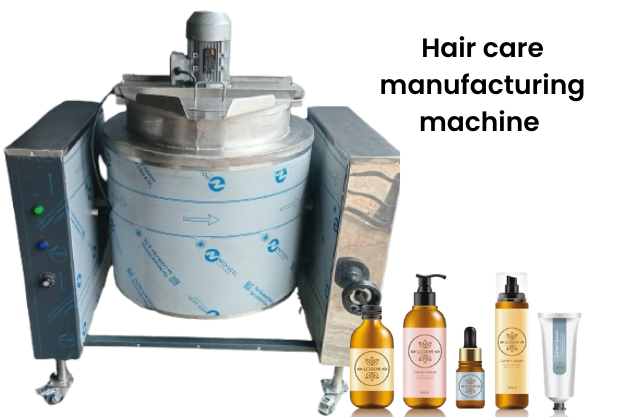
Used Hair Care Equipment for Sale – Complete Buying Guide
Starting or expanding a hair care manufacturing business can require a significant investment in machinery. One of the smartest ways to reduce costs is by purchasing used hair care equipment, which offers reliable performance at a lower price. From shampoo production to conditioners and hair oils, second-hand equipment allows businesses to enter the market faster and scale efficiently without heavy capital investment. What is Used Hair Care Equipment? Used hair care equipment refers to pre-owned machines that were previously used in cosmetic or personal care production. These machines are often refurbished or maintained to ensure continued functionality. Common equipment includes: These machines handle the entire production process from formulation to packaging. Why Buy Used Hair Care Equipment? Lower Investment Cost Used equipment is significantly more affordable than new machinery, making it ideal for startups. Faster Return on Investment Lower upfront costs allow businesses to recover their investment more quickly. Proven Durability Industrial machines are built to last, and many used machines still offer strong performance. Easy Business Expansion Businesses can increase production capacity without major financial strain. What You Can Produce With used hair care equipment, you can manufacture: This makes it possible to launch a full product line at a lower cost. What to Check Before Buying Before purchasing used equipment, it is important to evaluate its condition: Machine Condition Check for rust, corrosion, or physical damage. Motor Performance Ensure the motor runs smoothly without unusual noise. Mixing Components Inspect blades, shafts, and agitators for wear. Hygiene Standards Make sure the machine is clean and suitable for cosmetic production. Maintenance History Request records of servicing and previous usage. These checks help ensure you are buying reliable equipment. Price of Used Hair Care Equipment The cost of used equipment depends on: Typical Price Overview Used machines can offer significant savings compared to brand-new equipment. Types of Used Hair Care Equipment Used Mixing Tank Used for blending shampoo and liquid products. Used Homogenizer Ensures smooth and consistent formulations. Used High Shear Mixer Provides fast and efficient mixing. Used Filling Machine Used for packaging finished products. Benefits for Startups Used equipment is ideal for: Challenges to Consider Limited Warranty Used machines may not include full warranties. Wear and Tear Some components may need replacement. Compatibility Issues Ensure the machine fits your production needs. How to Choose the Right Equipment For Small Businesses Choose basic machines with lower capacity. For Growing Businesses Invest in medium-sized equipment with better efficiency. For Large Production Consider higher-capacity systems with advanced features. Why Invest in Used Equipment? Conclusion Used hair care equipment for sale provides a cost-effective solution for entering or expanding in the cosmetic manufacturing industry. With proper inspection and selection, these machines can deliver excellent performance and value. For startups and growing businesses, second-hand equipment offers a practical way to build production capacity while minimizing financial risk. FAQ Section (SEO Optimized) Is used hair care equipment reliable?Yes, if properly inspected and maintained before purchase. What equipment is needed to make shampoo?Mixing tanks, homogenizers, and filling machines are essential. Can I start a business with used equipment?Yes, many businesses successfully start with second-hand machines. How much cheaper is used equipment?It is significantly cheaper than new equipment, depending on condition and features.
Hair Care Equipment for Sale – Complete Guide to Hair Product Manufacturing
The global demand for hair care products continues to rise, driven by increasing awareness of personal grooming and beauty. Products such as shampoos, conditioners, hair oils, and treatments are essential in everyday routines, making the hair care industry highly profitable. To produce these products efficiently and at scale, manufacturers rely on specialized hair care equipment. These machines are designed to mix, emulsify, process, and package various hair care formulations with precision and consistency. If you are planning to start or expand a hair care business, investing in the right hair care equipment for sale is essential for long-term success. What is Hair Care Equipment? Hair care equipment refers to industrial machinery used to manufacture hair products. These machines handle the entire production process—from mixing raw ingredients to packaging finished products. They are used to produce: Key Machines Used in Hair Care Production Mixing Tank with Agitator Used to blend ingredients such as water, surfactants, and oils. Homogenizer Mixer Ensures smooth and uniform product texture. Jacketed Mixing Tank Provides heating or cooling during production. Storage Tanks Stores raw materials and finished products. Filling Machine Fills products into bottles or containers. Capping Machine Seals containers securely. Labeling Machine Applies branding and product information. Hair Care Production Process Raw Material Preparation Ingredients such as surfactants, oils, fragrances, and additives are prepared. Mixing Ingredients are blended in a mixing tank to form the base formulation. Heating and Emulsification Heat is applied to combine oil and water phases. Homogenization The mixture is processed for smoothness and consistency. Cooling The product is cooled to stabilize its structure. Filling and Packaging Finished products are filled, sealed, and labeled. Types of Hair Care Equipment Small-Scale Equipment Ideal for startups and small businesses. Semi-Automatic Systems Suitable for growing production needs. Fully Automatic Production Lines Designed for large-scale industrial manufacturing. Benefits of Using Hair Care Equipment Consistent Product Quality Ensures uniform texture and formulation. Increased Production Efficiency Reduces production time and manual labor. Scalability Supports business growth and expansion. Hygienic Manufacturing Meets industry standards for cleanliness. What You Can Produce With hair care equipment, you can manufacture: This allows businesses to diversify their product range. Cost of Hair Care Equipment The cost depends on: Small setups are more affordable, while full production lines require higher investment but offer greater efficiency. How to Choose the Right Equipment For Startups For Growing Businesses For Industrial Production Why Invest in Hair Care Equipment? Conclusion Hair care equipment for sale is essential for producing high-quality hair products efficiently and consistently. With the right machinery, businesses can scale production, maintain quality, and meet market demand. Whether you are starting a small business or expanding into industrial production, investing in the right equipment is key to long-term success in the hair care industry. FAQ Section (SEO Optimized) What equipment is needed to make shampoo?A mixing tank, homogenizer, and filling machine are the main machines required. Can I start a hair care business with small equipment?Yes, small-scale machines are ideal for startups. What products can be made with hair care equipment?Shampoo, conditioner, hair oils, and treatments. Is hair care manufacturing profitable?Yes, due to high demand and strong market growth.