
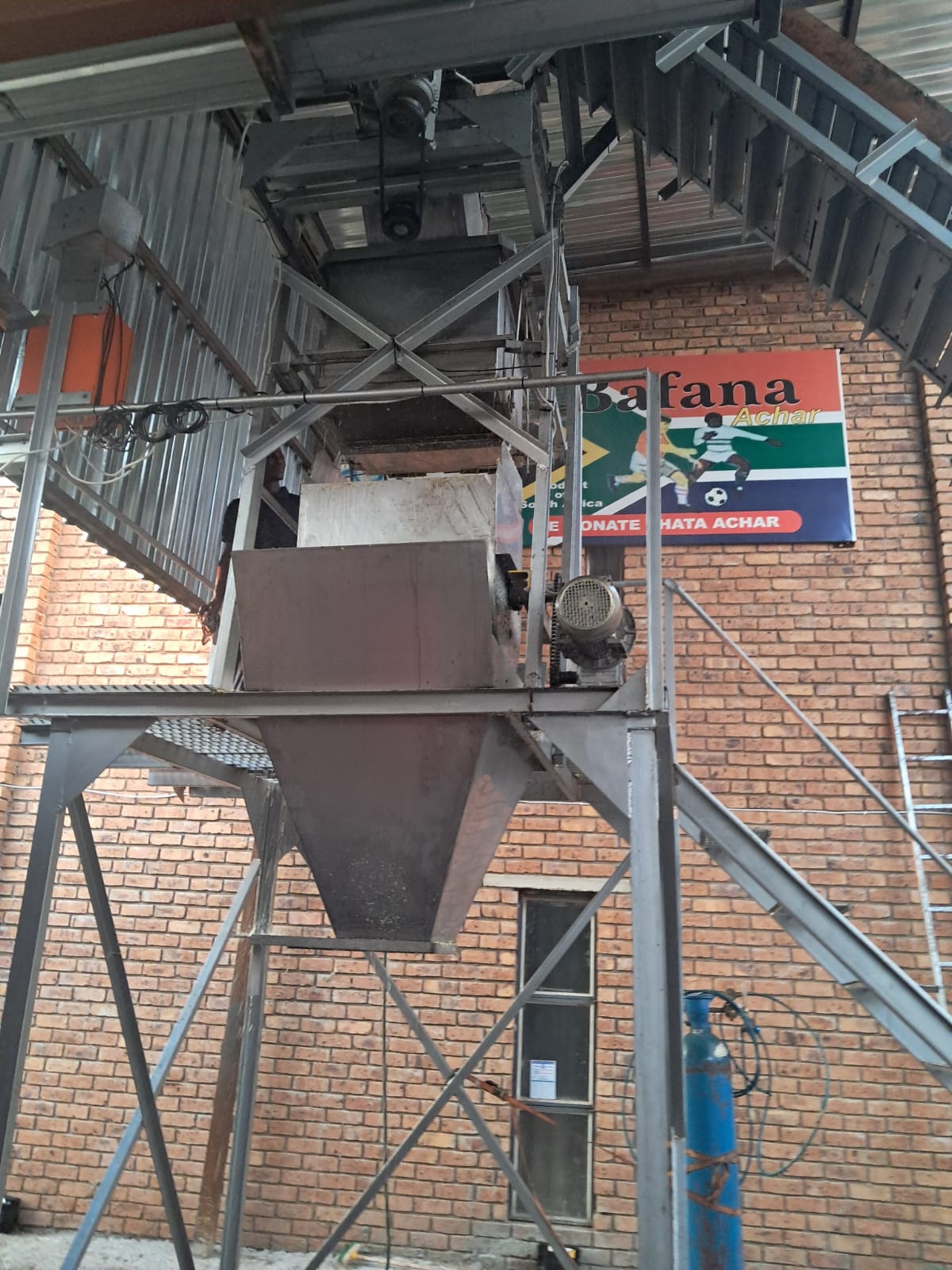
The global demand for mango-based products such as mango juice, pulp, puree, dried mango, and concentrates continues to grow rapidly. Food processing companies, juice manufacturers, and fruit exporters are investing in advanced equipment to process mangoes efficiently and maintain high product quality. A Mango Processing Machine is essential equipment for businesses looking to transform fresh mangoes into value-added products for commercial markets. These machines help automate the process of washing, peeling, pulping, extracting juice, and packaging mango products. In this guide, we explore how mango processing machines work, their benefits, and why investing in a reliable Mango Processing Machine for sale can significantly increase production capacity and profitability. What is a Mango Processing Machine? A Mango Processing Machine is industrial equipment designed to process fresh mango fruit into different food products such as: These machines are commonly used in food processing plants, beverage factories, and fruit export companies. Modern mango processing machines automate several stages of fruit processing, helping manufacturers produce high-quality mango products while reducing labor and production costs. How a Mango Processing Machine Works A typical mango processing line includes several machines that work together to convert raw mangoes into finished products. 1. Mango Washing Machine Fresh mangoes are cleaned using high-pressure water and brushing systems to remove dirt, dust, and contaminants before processing. 2. Mango Sorting Machine After washing, mangoes are sorted based on size and quality to ensure uniform processing. 3. Mango Peeling and Destoning Machine The machine removes mango skins and separates the seed from the fruit pulp. 4. Mango Pulping Machine This machine crushes mango flesh and converts it into smooth pulp. 5. Juice Extraction or Puree Processing The pulp can be further processed to produce mango juice, puree, or concentrate. 6. Pasteurization and Packaging The final product is pasteurized to maintain freshness and then packaged into bottles, cans, or pouches. Using an automated mango processing line ensures hygiene, consistency, and high production efficiency. Types of Mango Processing Machines Different industries require different types of mango processing equipment depending on the final product they want to produce. Mango Pulp Processing Machine A mango pulp machine extracts pulp from fresh mango fruit and removes fibers and seeds. The pulp can then be used in beverages, desserts, ice cream, and baby food. Mango Juice Processing Machine This machine converts mango pulp into mango juice through filtration and mixing processes. Mango Drying Machine Mango dryers remove moisture from mango slices to produce dried mango snacks that have a longer shelf life. Mango Puree Processing Machine Puree machines process mango pulp into a smooth puree used in sauces, bakery products, and baby foods. Benefits of Using a Mango Processing Machine Increased Production Speed Industrial mango processing machines can process thousands of kilograms of mangoes per hour, making them ideal for large-scale food production. Improved Product Quality Automated machines maintain consistent processing conditions, ensuring uniform mango pulp, juice, or puree quality. Reduced Labor Costs Automation reduces the need for manual fruit processing, lowering operational expenses. Better Hygiene and Food Safety Food-grade stainless steel construction ensures compliance with food safety standards. Higher Profitability By converting raw mangoes into processed products, businesses can sell higher-value products in domestic and international markets. Industries That Use Mango Processing Machines Mango processing equipment is widely used in many industries, including: Because mango products are used in many food applications, the demand for efficient mango processing machines continues to grow. Features to Look for in a Mango Processing Machine When buying a Mango Processing Machine for sale, consider these important features: Choosing the right machine ensures smooth operation and long-term reliability. Mango Processing Machine Price The cost of a mango processing machine depends on several factors such as: Small-scale mango processing machines are suitable for startups, while large industrial mango processing plants are designed for commercial production. Businesses should evaluate their production requirements before selecting the right equipment. Complete Mango Processing Line A full mango processing plant may include: Combining these machines creates a fully automated mango juice or pulp production line capable of large-scale manufacturing. Why Invest in a Mango Processing Machine? The mango fruit industry is one of the fastest-growing sectors in global agriculture. Processing mangoes into juice, pulp, puree, and dried products allows businesses to expand into new markets and increase profit margins. Investing in a high-quality Mango Processing Machine allows companies to: Whether you operate a small fruit processing business or a large food manufacturing plant, a reliable mango processing machine can transform your production capabilities. Conclusion A Mango Processing Machine for sale is an essential investment for businesses involved in fruit processing, juice manufacturing, and food production. These machines streamline the process of converting fresh mangoes into high-quality pulp, juice, puree, and dried products. With automated technology, improved hygiene standards, and higher production efficiency, mango processing machines help businesses scale operations and compete in the global food market. If you are planning to start or expand a mango processing business, investing in advanced mango processing equipment will help you produce premium products while maximizing productivity and profitability. Frequently Asked Questions What is a mango processing machine used for?A mango processing machine is used to convert fresh mangoes into products such as mango juice, pulp, puree, and dried mango slices. What machines are included in a mango processing line?A complete mango processing line typically includes washing machines, pulping machines, juice extractors, pasteurizers, and filling machines. Can mango processing machines produce mango pulp and juice?Yes, modern mango processing machines can produce mango pulp, juice, puree, and concentrate depending on the processing configuration. How much does a mango processing machine cost?The price varies depending on production capacity and automation level. Small machines are suitable for startups, while large industrial lines are designed for high-volume manufacturing.
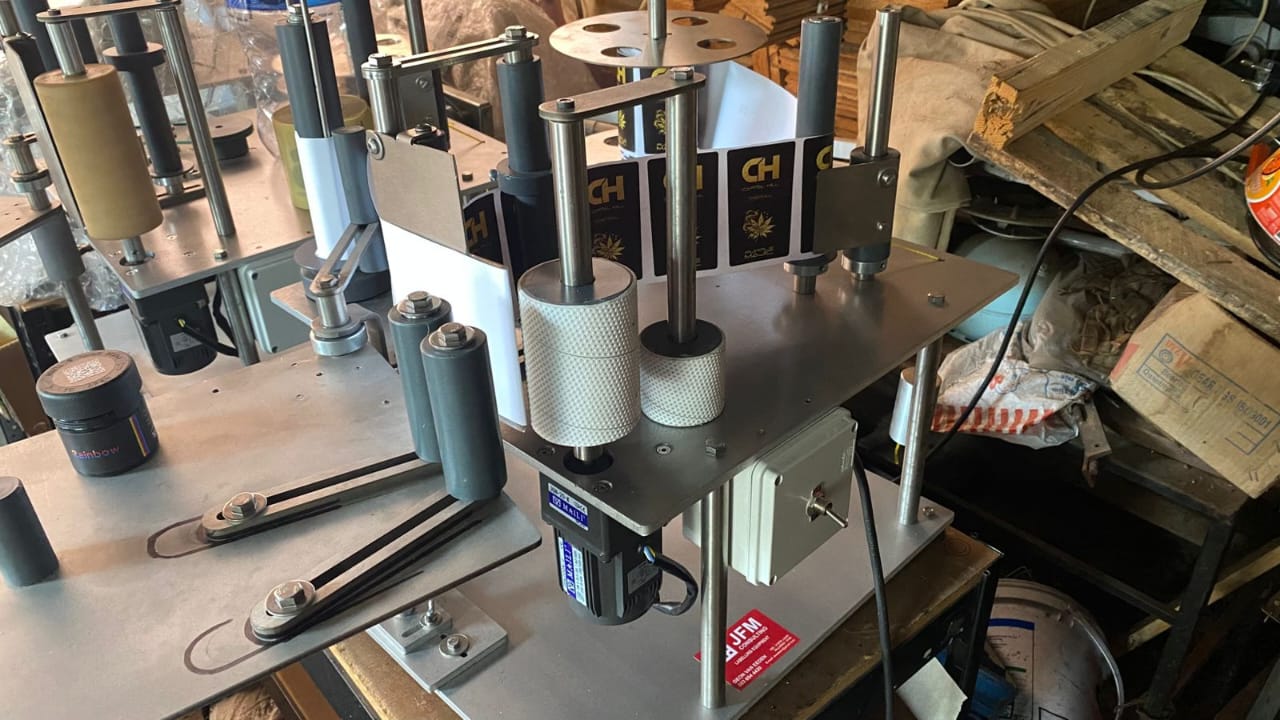
Bottle Labeling Machine for Sale – Improve Speed, Accuracy and Professional Branding
If your business produces bottled products such as water, juice, cosmetics, detergents, pharmaceuticals, or sauces, labeling is one of the most important steps in the production process. A Bottle Labeling Machine helps businesses apply labels quickly, accurately, and professionally, ensuring every product looks consistent and ready for the market. In this article, we explore the benefits of using a bottle labeling machine, how it works, and why investing in one can significantly improve your production efficiency. What is a Bottle Labeling Machine? A Bottle Labeling Machine is an automated or semi-automatic device designed to apply labels to bottles of various shapes and sizes. These machines ensure that labels are applied precisely, reducing errors that often occur with manual labeling. They are widely used in industries such as: Using a labeling machine helps businesses maintain a professional appearance while speeding up production. Why Your Business Needs a Bottle Labeling Machine 1. Faster Production Manual labeling can be slow and inefficient. A bottle labeling machine can label hundreds or even thousands of bottles per hour, helping businesses meet growing demand. 2. Professional Product Appearance Consistent and perfectly aligned labels make products look more professional on store shelves. This helps improve customer trust and brand reputation. 3. Reduced Labor Costs Automated labeling machines reduce the need for multiple workers, lowering operational costs while increasing productivity. 4. Accurate Label Placement Labeling machines apply labels evenly and accurately every time, reducing waste and preventing misaligned labels. 5. Versatility Modern bottle labeling machines can handle different bottle shapes, including: This makes them suitable for many industries. Types of Bottle Labeling Machines Manual Bottle Labeling Machine Manual labeling machines are ideal for small businesses and startups. They are affordable and easy to operate, allowing users to label bottles by hand with improved accuracy. Semi-Automatic Bottle Labeling Machine Semi-automatic machines require minimal operator input but significantly increase labeling speed. They are perfect for small to medium production facilities. Fully Automatic Bottle Labeling Machine Fully automatic machines are designed for large-scale production lines. They can label thousands of bottles per hour with minimal supervision. Key Features to Look for in a Bottle Labeling Machine When purchasing a bottle labeling machine, consider the following features: These features ensure long-term performance and reliability. Industries That Use Bottle Labeling Machines Bottle labeling machines are used in a wide range of industries, including: Because labeling is essential for branding and product information, these machines play a crucial role in modern manufacturing. Benefits of Buying a Bottle Labeling Machine Investing in a bottle labeling machine offers several advantages: Businesses that upgrade from manual labeling to automated machines often see immediate improvements in productivity. Bottle Labeling Machine for Sale If you are looking for a Bottle Labeling Machine for sale, choosing the right supplier is important. A reliable supplier will provide high-quality machines, technical support, and installation assistance to ensure smooth operation. Whether you run a startup or a large manufacturing plant, a bottle labeling machine is a valuable investment that improves efficiency and product presentation. Conclusion A Bottle Labeling Machine is an essential piece of equipment for businesses involved in bottled product manufacturing. It helps improve efficiency, ensures accurate labeling, and enhances the professional appearance of products. By investing in a high-quality bottle labeling machine, companies can increase production capacity, reduce labor costs, and maintain consistent branding across all products. If you are planning to scale your production, now is the perfect time to invest in a reliable Bottle Labeling Machine for sale and take your packaging process to the next level.

Cosmetic / Personal Care Manufacturing Machine
Industrial Machines for Cosmetic and Personal Care Product Production A cosmetic and personal care manufacturing machine is industrial equipment used to produce products such as creams, lotions, shampoos, gels, body wash, toothpaste, and skincare formulations. These machines are designed to mix, emulsify, heat, cool, and homogenize ingredients to create smooth and stable cosmetic products. Most cosmetic factories use specialized mixers and homogenizers because cosmetic formulations require precise blending of oil and water phases, thick ingredients, fragrances, and active compounds. Advanced machines help ensure consistent product quality and production efficiency. What Is a Cosmetic Manufacturing Machine? A cosmetic manufacturing machine is typically a mixing and emulsifying system that combines ingredients into a uniform product. These machines often include multiple components such as mixing tanks, homogenizers, heating systems, and control panels. Modern cosmetic equipment can perform several functions in a single system: These functions are essential to produce high-quality cosmetic formulations like creams and lotions without air bubbles or separation. Types of Cosmetic / Personal Care Manufacturing Machines Vacuum Homogenizer Mixer This is one of the most common machines used in cosmetic factories. It performs: Vacuum homogenizers are widely used for manufacturing: The vacuum environment helps prevent oxidation and improves product stability. High Shear Emulsifier Mixer A high shear emulsifier mixer uses a rotor-stator system to create intense mechanical shear, breaking down ingredients into very fine particles. This process produces smooth and uniform emulsions used in: High shear mixing also improves product texture and absorption performance. Cosmetic Mixing Tank Cosmetic mixing tanks are used for producing liquid products such as: These tanks often include: Cosmetic Cream Production Line Large cosmetic factories use complete production lines consisting of multiple machines: These production lines automate the manufacturing process and improve production efficiency. Technical Specifications (Typical) Specification Typical Range Machine Capacity 50L – 5000L Mixing Speed 0 – 3000 RPM Motor Power 1.5 kW – 30 kW Material Stainless Steel 304 / 316 Heating System Electric or Steam Power Supply 3-Phase Industrial Machines are typically built with stainless steel construction to meet hygiene standards in cosmetic manufacturing. Applications of Cosmetic Manufacturing Machines Skincare Products Hair Care Products Personal Care Products Pharmaceutical and Cosmetic Blends These machines are used in cosmetic laboratories, small production facilities, and large manufacturing plants. Advantages of Cosmetic Manufacturing Machines Consistent Product Quality High-precision mixing ensures uniform formulation in every batch. Faster Production Industrial mixers reduce manufacturing time and increase productivity. Improved Product Stability Homogenization and emulsification create stable cosmetic formulations. Hygienic Production Stainless steel construction meets cosmetic industry hygiene standards. Versatile Applications One machine can produce multiple cosmetic and personal care products. Cosmetic Manufacturing Machine Price in South Africa Prices vary depending on capacity, automation level, and machine type. Typical price ranges: Machine Type Price Range Small cosmetic mixer R40,000 – R120,000 High shear homogenizer R120,000 – R350,000 Vacuum emulsifying mixer R300,000 – R900,000 Complete cosmetic production line R800,000 – R3,000,000 Large automated production lines can cost more depending on capacity and customization. Industries That Use Cosmetic Manufacturing Machines Cosmetic and personal care production machines are widely used in: These machines play a critical role in producing safe, consistent, and high-quality cosmetic products.