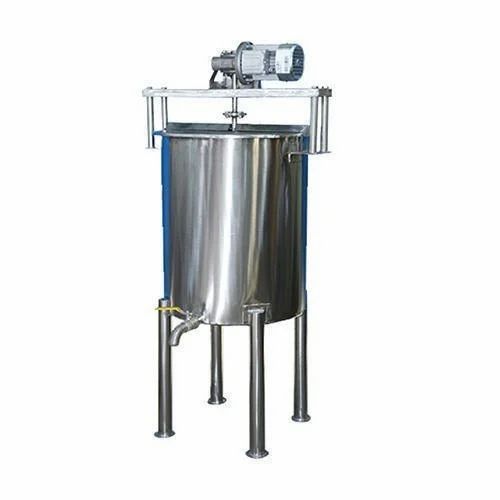
Introduction: Why Consider a Second Hand Industrial Mixer? Purchasing a second hand industrial mixer can be a smart, cost-effective way for manufacturers to scale production without paying full price for new equipment. Used mixers are often well-built, long-lasting machines that, when inspected properly, can deliver years of reliable service. Businesses in food processing, cosmetics, chemicals, detergents, pharmaceuticals, and animal feed production frequently seek used mixers to reduce startup costs or expand capacity with lower capital investment. 🧠 What Is a Second Hand Industrial Mixer? A second hand industrial mixer is pre-owned mixing equipment previously used in another production facility. It may be lightly used, refurbished, or cosmetically older but mechanically sound. These machines mix liquids, powders, pastes, and viscous formulas depending on their design and application. Common industrial mixer types available second hand include: 🔎 Why Buy a Used Industrial Mixer? 1. Lower Upfront Cost Used industrial mixers are typically priced significantly lower than new machines, freeing budget for other production needs. 2. Faster Return on Investment Reduced cost means less financial pressure and faster ROI, especially important for small and medium enterprises. 3. Industrial-Grade Build Many industrial mixers are engineered to last decades — making them excellent candidates for reuse. 4. Tested Performance A well-maintained used mixer often performs reliably, especially if it was regularly serviced. 5. Flexibility for Pilots or Expansion Used mixers allow businesses to experiment with new product lines without large capital outlay. 🧩 What to Check Before Buying a Second Hand Industrial Mixer Before purchasing a used mixer, perform a careful inspection. Key things to check include: Condition of the Mixing Chamber Verify for dents, corrosion, or metal fatigue. Stainless steel vessels are better for food, cosmetics, and chemicals. Motor and Drive System Test the motor under load if possible. Listen for unusual noise, check for overheating, and verify gearboxes are operational. Shaft and Agitator Integrity Ensure the drive shaft is straight and free of excessive wear. Check agitator paddles, ribbons or propellers for damage or bending. Seals and Bearings Worn seals cause leakage and contamination. Bearings must spin smoothly without excessive play. Controls and Switchgear Electrical panels and control switches should be intact and safe. Inspect for proper wiring and secure connections. Cleanliness Check for residue or contamination from previous materials — especially important for food or cosmetic applications. Documentation & History Ask for maintenance records, past usage details, and reasons for sale. Machines with clear service history are more trustworthy. 🏭 Typical Applications of Used Industrial Mixers Second hand industrial mixers are used in various mixing needs: Food & Beverage Powder blends, sauces, pastes, dressings, emulsions. Cosmetics & Personal Care Creams, lotions, gels, shampoos. Chemical & Detergent Liquid detergents, cleaning solutions, industrial chemicals. Pharmaceutical & Healthcare Syrups, suspensions, ointments. Animal Feed & Agriculture Feed premixes, mineral blends. Construction & Industrial Materials Plasters, adhesives, coatings. 📊 Used Industrial Mixer Price Ranges (Indicative) Prices depend on type, capacity, condition, brand, and local market conditions. Small Used Mixers (50 – 300 L) Medium Used Mixers (300 – 1500 L) Large Used Mixers (1500 L +) Note: Exact price ranges vary widely depending on machine type (e.g., ribbon vs high shear), age, usage history, and included accessories. ⚙️ Buying Used vs New Industrial Mixers – Quick Comparison Factor Used Industrial Mixer New Industrial Mixer Initial Cost Lower Higher Longevity Depends on condition Longest Warranty Often limited or none Standard manufacturer warranty Customisation Limited Full custom options Availability Immediate Lead time required Depreciation Minimal Full depreciation Used mixers offer affordability and immediate availability, while new mixers provide warranty and tailored specifications. 🧠 Tips for a Safe Used Machine Purchase ✅ Conclusion A second hand industrial mixer is an excellent solution for manufacturers seeking cost savings, immediate production capability, and industrial-grade performance without the high cost of new machines. With careful inspection and smart selection, used mixers can serve reliably for many years in food, cosmetic, chemical, detergent, and pharmaceutical production. When chosen wisely, a used mixer gives you professional mixing performance at a fraction of the price, making it a practical choice for startups, SMEs, and expanding manufacturers alike.
