
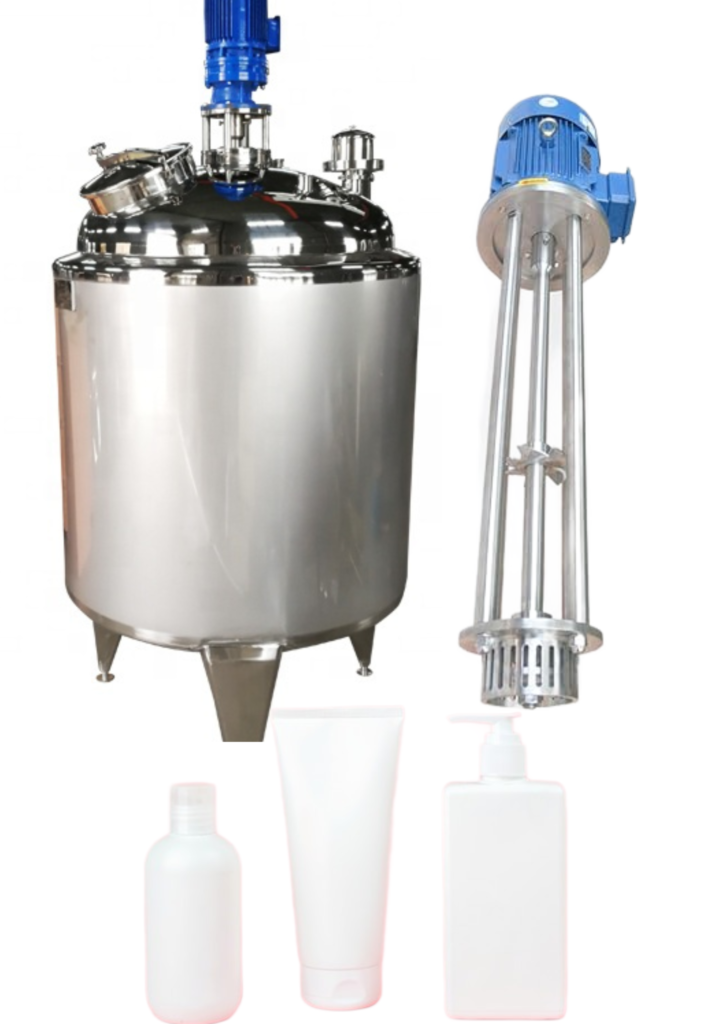
If you want to start a cosmetic brand or scale your skin-care production line, choosing the right skin care manufacturing machinery is one of the most important decisions you will make. From creams and lotions to serums, scrubs, and cleansers, the machinery you select determines your production quality, efficiency, consistency, and compliance with cosmetic manufacturing standards.
This high-ranking SEO blog gives you a full breakdown of essential equipment, how each machine works, cost factors, and how to choose the right production setup for your business in South Africa or anywhere globally.
What Is Skin Care Manufacturing Machinery?
Skin care manufacturing machinery refers to the specialized industrial equipment used to produce cosmetic products such as:
- Face creams
- Body lotions
- Serums & oils
- Scrubs & masks
- Toners & gels
- Cleansers
- Hair and beauty products
These machines handle processes like mixing, emulsifying, heating, cooling, filling, labeling, and packaging—ensuring every batch is uniform, safe, and high quality.
Essential Skin Care Manufacturing Machines
1. Vacuum Emulsifying Mixer
The heart of any cosmetic factory.
A vacuum emulsifying mixer blends oil and water phases into smooth, stable emulsions. It prevents air bubbles, improves texture, and enhances product shelf life.
Best for:
Creams, body butters, lotions, serums, sunscreen, conditioners, hair masks.
Key Functions:
- High-shear mixing
- Homogenizing
- Vacuum defoaming
- Heating & cooling
2. Homogenizer (High-Shear Mixer)
A homogenizer ensures small-particle, smooth, silky cosmetic textures.
Ideal for: serums, gels, lotions, toners, and thin emulsions.
It breaks ingredients into micro-sizes, giving your product a professional, premium feel.
3. Mixing Tanks (Stainless Steel)
These are fundamental for batch production.
Features:
- Can be heated or non-heated
- Jacketed for temperature control
- Paddle, ribbon, or propeller mixing options
Used for: soaps, cleansers, toners, liquid washes, base mixtures.
4. Steam or Electric Jacketed Pots
Perfect for heating and melting ingredients such as:
- Oils
- Waxes
- Butters
- Gels
You’ll find these in most small to medium-scale cosmetic manufacturing operations.
5. Filling Machines
Depending on the nature of your product, you can choose between:
- Piston filling machines for thick creams and lotions
- Liquid filling machines for serums, toners, micellar water, and oils
- Paste filling machines for scrubs, masks, and heavy creams
Semi-automatic filling machines are ideal for startups, while fully automatic systems suit large-scale production.
6. Labeling Machines
For round bottles, tubes, and jars.
A labeling machine helps you meet compliance, branding, and batch-tracking requirements.
Types include:
- Semi-automatic round labeling
- Flat-surface labeling
- Fully automatic labeling
7. Packaging Machinery
Depending on your product line, this may include:
- Tube sealing machines
- Capping machines
- Shrink wrapping
- Bottle induction sealing
- Sachet packing machines
These maintain product integrity and give your brand a professional finish.
How to Choose the Best Skin Care Manufacturing Machinery
When selecting cosmetic machinery, consider:
1. Product Type
Creams, liquids, oils, and gels each require different mixers and fillers.
2. Production Capacity
Are you producing:
- Small batches (10–50L)
- Medium scale (100–300L)
- Large commercial batches (500L–2000L)
3. Budget
Startups often begin with:
- 50–100L mixer
- Semi-automatic filler
- Manual or semi-auto labeler
Growing manufacturers shift to automated lines.
4. Material Quality
Choose stainless steel (304 or 316), food-grade, cosmetic-standard machinery.
5. Heating & Cooling Needs
Creams and emulsions require temperature control.
Benefits of Using Proper Skin Care Manufacturing Machinery
✔ Consistent product quality
✔ Faster production times
✔ Accurate filling & labeling
✔ Reduced waste and errors
✔ Longer shelf life due to proper emulsification
✔ Professional, market-ready finishes
✔ Helps comply with cosmetic manufacturing standards
If you want your brand to grow, proper machinery is non-negotiable.
Typical Price Range for Skin Care Manufacturing Equipment
Prices vary depending on size and automation, but general ranges are:
- Vacuum Emulsifying Mixer: Medium size (50–100L): Medium to high range
- Homogenizer: Low to medium
- Jacketed Pots: Affordable to mid-range
- Semi-automatic fillers: Low to medium
- Automatic fillers: Medium to high
- Labeling machines: Low to high depending on type
Final Thoughts
Investing in high-quality skin care manufacturing machinery is a long-term decision that affects your product quality, brand reputation, and ability to scale. Whether you’re starting a new cosmetic line or expanding production, choosing the right mixers, fillers, and processing equipment is the key to producing premium, market-ready skincare products.