
Meta (Yoast-Ready)
- Meta Title: Steam Jacketed Cooking Pots South Africa | Industrial Cooking Kettles
- Meta Description: Learn everything about steam jacketed cooking pots in South Africa — how they work, price ranges, sizes, benefits, and tips for choosing the right one for your food or production business.
- Focus Keyphrase: steam jacketed cooking pots South Africa
What Is a Steam Jacketed Cooking Pot?
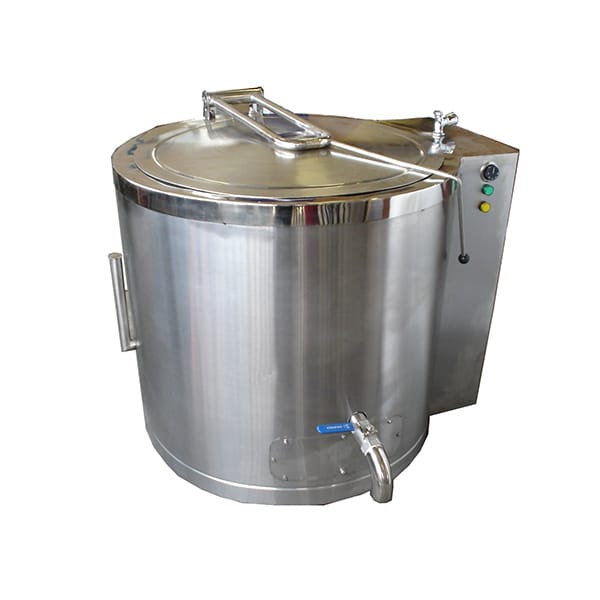
A steam jacketed cooking pot (also called a jacketed kettle) is a heavy-duty, double-walled stainless-steel pot used for large-scale cooking or processing. Steam circulates in the outer jacket, heating the inner cooking chamber evenly and efficiently. This design ensures gentle, uniform heat — ideal for making soups, stews, sauces, jams, creams, and other high-volume food or liquid products.
Why South African Businesses Choose Steam Jacketed Pots
- Energy Efficiency: Steam heat is very effective and, when sourced from a boiler, can be more economical than direct flame or electric heating.
- Safety: The double-wall design keeps the external surface relatively cooler, and steam heating eliminates the risk of open flames.
- Batch Consistency: Your finished product is more consistent in temperature and texture, which is critical for food manufacturing and catering.
- Scalability: Whether you run a catering kitchen in Johannesburg or a sauce-production facility in Cape Town, jacketed pots can be sized to match your needs.
- Reduced Risk of Burning: Because of the uniform heating, you avoid hotspots and prevent food from sticking or scorching.
Key Uses for Jacketed Cooking Pots in South Africa
These pots are useful in a variety of industries in South Africa:
- Central kitchens (hotels, catering companies, schools)
- Food manufacturing (soups, sauces, chutneys, preserves)
- Atchar or pickled vegetable production
- Jam and preserve production
- Dairy-based products (custards, puddings)
- Cosmetics (creams and lotions)
- Chemical or detergent manufacture (if food-grade materials are suitable)
Common Sizes / Capacities for South African Buyers
Typical sizes available in the local and import market:
- 50 L – 100 L: Ideal for small-batch production or pilot kitchens
- 150 L – 300 L: Medium-sized production for catering or foods business
- 500 L+: For industrial or factory-level food manufacturing
When choosing a size, think about how much you need to cook per batch and how often you run production.
Approximate Price Ranges in South Africa (2025)
While local supplier prices vary, here is a rough guideline:
- 50–100 L: R 30,000 – R 90,000
- 150–300 L: R 70,000 – R 250,000
- 500 L+: R 200,000 – R 600,000+ (depending on tilt options, mixers, and material quality)
Prices may be higher for units with tilt mechanisms, agitators, or imported designs.
Important Features to Consider Before Buying
When evaluating a steam jacketed cooking pot, pay attention to:
- Material Quality
Use food-grade stainless steel (304 or 316) to ensure durability and hygiene. - Tilt Mechanism
Decide whether you need the pot to tilt (for easy discharge): options are manual, hydraulic (aqua-hydraulic), or electric. - Heating Method
Confirm whether you’ll use external steam from a boiler or a self-generating steam kettle. - Lid Design
Choose between hinged, spring-loaded, or removable lids, depending on cleaning access and safety. - Safety Measures
Check for a working pressure-relief valve, pressure gauge, safety interlocks, and compliance with pressure-vessel standards. - Discharge Valve
A drain or outlet valve helps with controlled emptying of thick or heavy contents. - Mixing / Agitation Options
For viscous products (sauces, creams), consider a model with an agitator or built-in paddle. - Temperature Control
Thermostats or temperature regulators are very useful, especially when cooking delicate or sensitive products. - Service & Spare Parts
Ensure that your supplier offers spare parts (seals, valves) and maintenance support.
Maintenance and Safety Tips
To ensure long-term performance:
- Regularly inspect and test the safety relief valve and boiler connections.
- Clean the inner pot and steam jacket after every production cycle.
- Maintain a service schedule for any tilting or hydraulic systems.
- Record pressure tests and maintenance in a logbook.
- Train staff thoroughly in how to tilt the pot safely if it has a tilt mechanism.
Pros & Drawbacks of Steam Jacketed Cooking Pots
Pros:
- Even heating and consistent product quality
- Great for large batch production
- Versatile: works for food, cosmetics, and more
- Energy efficient when paired with a boiler
- Safer discharge with tilt models
Drawbacks:
- High upfront cost
- Requires a steam supply (or self-generating system)
- Maintenance of pressure-vessel components is critical
- Takes up significant space in your facility
How to Choose a Reliable Supplier in South Africa
When shopping for a steam jacketed cooking pot, make sure the supplier:
- Has experience supplying to food or industrial businesses
- Provides proof of material grade (304 / 316 stainless steel)
- Offers warranty and after-sales service
- Can supply spare parts (seals, valves, tilt mechanisms)
- Allows testing of the pot (or demonstration) before purchase
- Helps with compliance advice (pressure vessel safety, local standards)
Final Thoughts
A steam jacketed cooking pot is a highly valuable investment for any food or production business in South Africa. It delivers efficient, even heating, improves batch quality, and scales up your operations safely.
If you want to scale your business — whether you’re processing sauces, soups, creams or other large-volume products — choosing the right jacketed pot is critical. Consider your batch size, heating source, safety needs, and future growth when making your choice, and work with suppliers who can support you long term.