
Introduction
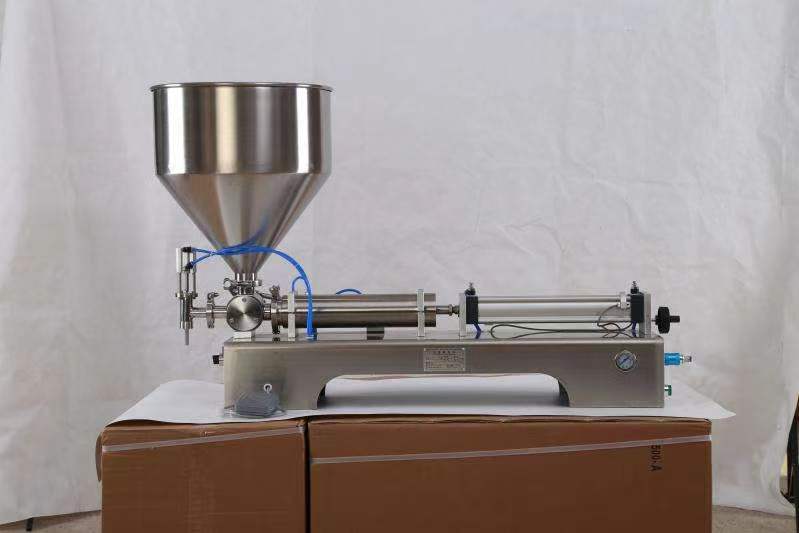
As more small and medium-sized manufacturers scale their production, the demand for efficient paste filling equipment continues to grow. A paste filler machine is an essential tool for businesses dealing with thick or semi-solid products such as creams, sauces, honey, gels, lotions, pastes, and ointments. It automates the filling process, improves accuracy, reduces product wastage, and speeds up production.
Whether you are a startup producer or an established manufacturer, choosing the right paste filling machine can significantly impact your efficiency and profitability.
What is a Paste Filler Machine?
A paste filler machine is designed to fill thick, viscous, or sticky substances into various containers such as bottles, jars, tubes, and pouches. Because paste does not flow like water, these machines use strong mechanisms—such as pistons, pneumatic pressure, or screw pumps—to push the product out smoothly and accurately.
Who Needs a Paste Filling Machine?
Paste filler machines are used in industries such as:
- Food & Beverage (sauces, peanut butter, mayonnaise, chutney, jams)
- Cosmetics (lotions, face creams, body butters)
- Pharmaceuticals (ointments, gels, medicinal creams)
- Chemicals (adhesives, silicone, detergents)
- Household products (cleaning pastes, polishes)
Any business filling thick substances consistently will benefit from a machine built for accuracy and speed.
Types of Paste Filling Machines
1. Piston Paste Filling Machines
- Most common type
- Uses a piston to draw and push out the product
- Very accurate and ideal for medium to high-viscosity products
- Suitable for both food and non-food pastes
2. Pneumatic Paste Filling Machines
- Operated by air pressure
- Offers smooth, consistent filling
- Great for creams, lotions, gels, and soft food pastes
- Often foot-pedal operated for hands-free efficiency
3. Screw Pump Paste Filling Machines
- Uses a rotating screw pump system
- Ideal for very thick, heavy, or chunky pastes
- Great for industrial-strength adhesives, thick food pastes, and clay-like materials
4. Manual Paste Filling Machines
- Best for small batches or startup businesses
- Hand or foot-operated
- Low cost, simple, and portable
- Ideal for very small-scale production
Key Features to Look for When Buying a Paste Filler Machine
1. Filling Range
Check if the machine can handle the container sizes you use.
Common ranges include:
- 5–50 ml
- 30–300 ml
- 100–1000 ml
- Up to 2–5 litres
2. Nozzle Quantity
More nozzles mean faster production.
Options include:
- Single nozzle
- Double nozzle
- 4-head
- 6-head
3. Hopper Size
The hopper stores the paste before filling. Larger hoppers reduce the number of refills during production.
4. Material & Build Quality
Choose machines made of stainless steel (preferably food-grade). This improves hygiene, durability, and easy cleaning.
5. Heating Function (Optional)
Some pastes become easier to fill when warm.
A heated hopper helps prevent:
- Clogging
- Thickening
- Pressure build-up
6. Control System
Machines may offer:
- Manual dial
- Foot pedal control
- Touchscreen control system
- PLC automation
Choose based on how automated you want the process to be.
7. Cleaning Convenience
Viscous products stick to surfaces. A good filler machine should have:
- Easy-to-remove parts
- Anti-drip nozzles
- Quick disassembly for cleaning
Benefits of Using a Paste Filler Machine
- Increases production speed
- Ensures consistent, accurate filling
- Reduces product wastage
- Improves hygiene and cleanliness
- Allows scalable production
- Reduces manual labour and fatigue
Common Applications
Food Industry
- Tomato paste
- Peanut butter
- Mayonnaise
- Honey
- Marmalade
- Chutney
Cosmetic Industry
- Body butter
- Lotions
- Face creams
- Hair gels
Pharmaceutical Industry
- Ointments
- Aloe gels
- Medicated creams
Chemical Industry
- Adhesives
- Grease
- Polishing pastes
- Sealants
How to Choose the Right Paste Filler Machine
1. Know Your Product Viscosity
Very thick products require piston or screw-type fillers. Softer pastes can use pneumatic systems.
2. Consider Your Daily Output
If you fill hundreds of containers a day, a single-head machine may be too slow. Multi-nozzle machines speed up production dramatically.
3. Budget vs Productivity
Manual machines are cheap but slow.
Automatic machines cost more but reduce labour and increase output.
4. Space & Power Requirements
Some machines require:
- Air compressors
- Stable power supply
- Additional space for hopper access and cleaning
Ensure your workspace can support these.
5. Focus on Maintenance
A good paste filling machine should allow:
- Easy part replacement
- Simple cleaning
- Durability under heavy use
Advantages and Disadvantages
Advantages
- Accurate filling
- Reduced workload
- Faster production
- High consistency
- Low product wastage
Disadvantages
- High upfront cost for automatic models
- Pneumatic machines require air compressors
- Thick products may require regular cleaning
- Imported machines may take time for parts or service
Final Thoughts
Buying a paste filler machine is one of the smartest investments for any business handling viscous or semi-solid products. From improving speed and accuracy to boosting professionalism and scaling production, the right machine can transform your packaging process.
Before purchasing, consider:
- Your product’s thickness
- Your production volume
- Your cleaning needs
- Machine automation level
- Long-term maintenance
By choosing a machine that matches your business size and production goals, you’ll save money, reduce stress, and increase productivity.