
Mango atchar is one of the most loved condiments in South Africa and internationally. With unique flavor, versatility, and long shelf life, starting a mango atchar processing business can be a profitable venture for aspiring food entrepreneurs. By investing in the right processing equipment, you can produce consistent, high-quality atchar ready for retail or wholesale markets.
Why Start a Mango Atchar Processing Business?
- High Market Demand: Loved in households, restaurants, and food service sectors.
- Low Startup Costs: Small-scale production can start from home or a small facility.
- Long Shelf Life: Properly processed mango atchar lasts for months, reducing waste.
- Customizable Products: Spice levels, flavor profiles, and jar sizes can be adjusted.
- Scalable Business: Start with small batches and grow as demand increases.
Essential Equipment for Mango Atchar Processing
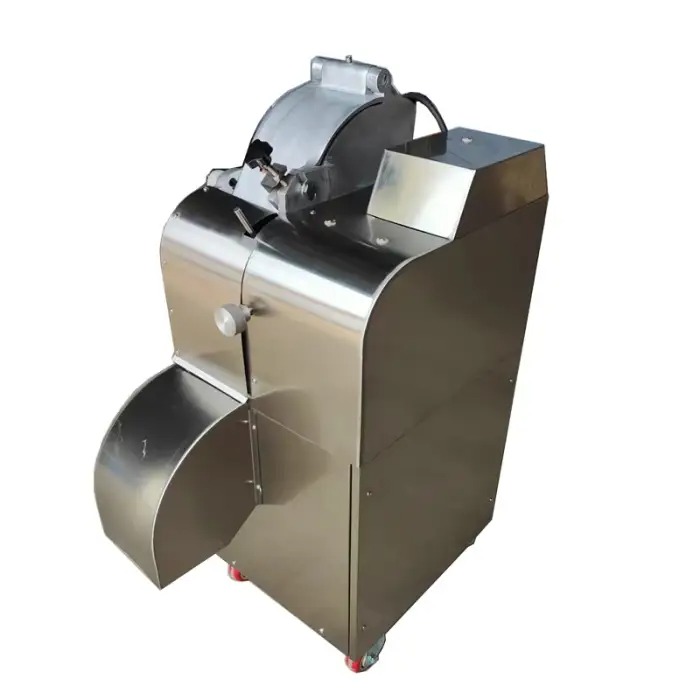
- Mango Cutting / Slicing Machine – Efficiently slices large volumes of raw mangoes consistently.
- Paste / Ribbon Blender – Mixes sliced mangoes with spices, oil, and vinegar for uniform flavor.
- Filling & Packing Machine – Ensures jars are filled hygienically and efficiently.
- Sealing & Labeling Machines – Professional packaging increases shelf appeal and brand trust.
- Storage Containers – Airtight jars or tanks maintain freshness and quality.
Steps to Start Your Mango Atchar Processing Business
- Source Quality Mangoes: Use ripe, firm mangoes for the best flavor and texture.
- Develop Your Recipe: Test spice blends, oil, vinegar ratios, and shelf-life stability.
- Invest in Processing Equipment: Start with small-capacity machines if you are a home-based business.
- Comply with Food Safety Regulations: Obtain necessary licenses and adhere to hygiene standards.
- Brand & Market Your Product: Attractive packaging and marketing through stores, markets, or online platforms.
Benefits of Using Proper Processing Equipment
- Consistency: Ensures each jar has the same taste, texture, and color.
- Efficiency: Large batches can be processed faster than manual methods.
- Hygiene: Reduces contamination and improves food safety.
- Scalability: Allows growth from small-batch home production to commercial factory-scale operations