
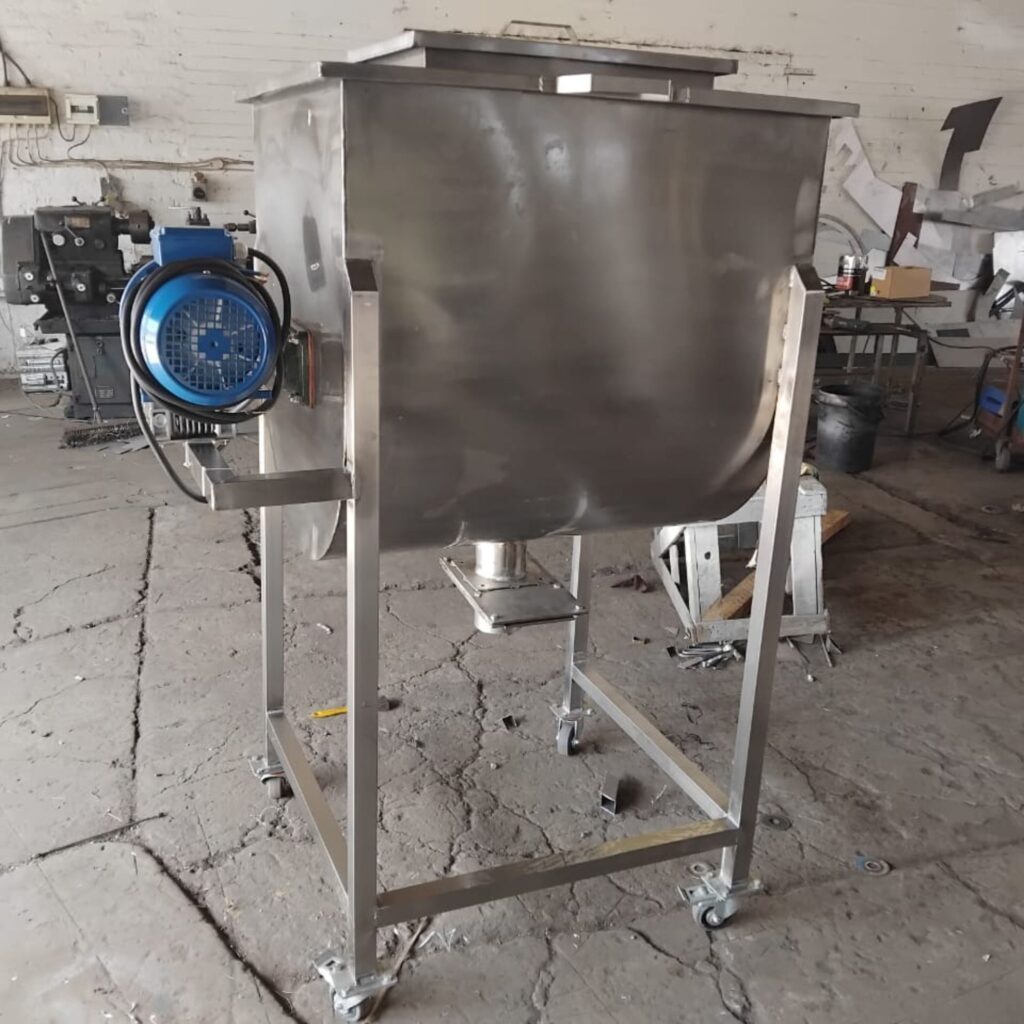
Ribbon blenders are indispensable in industries ranging from food to pharmaceuticals. Their efficient mixing, durability, and adaptability make them a top choice for processing powders, granules, slurries, and even delicate materials. This guide breaks down how ribbon blenders work, their advantages, applications, and selection best practices for SEO-optimized, engaging content.
Table of contents
- 1. What Is a Ribbon Blender and How Does It Work?
- 2. Key Benefits of Ribbon Blenders
- 3. What Makes Ribbon Blenders Superior Across Industries
- 4. 7 Expert Tips for Choosing the Right Ribbon Blender
- 5. Do’s & Don’ts for Long-Lasting Performance
- 6. Ribbon Blenders vs. Other Mixers
- Conclusion: Why Choose Ribbon Blenders
1. What Is a Ribbon Blender and How Does It Work?
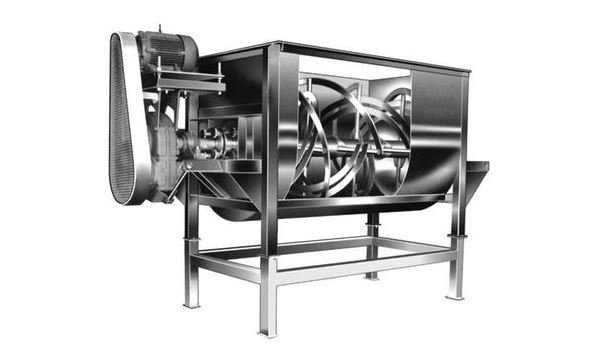
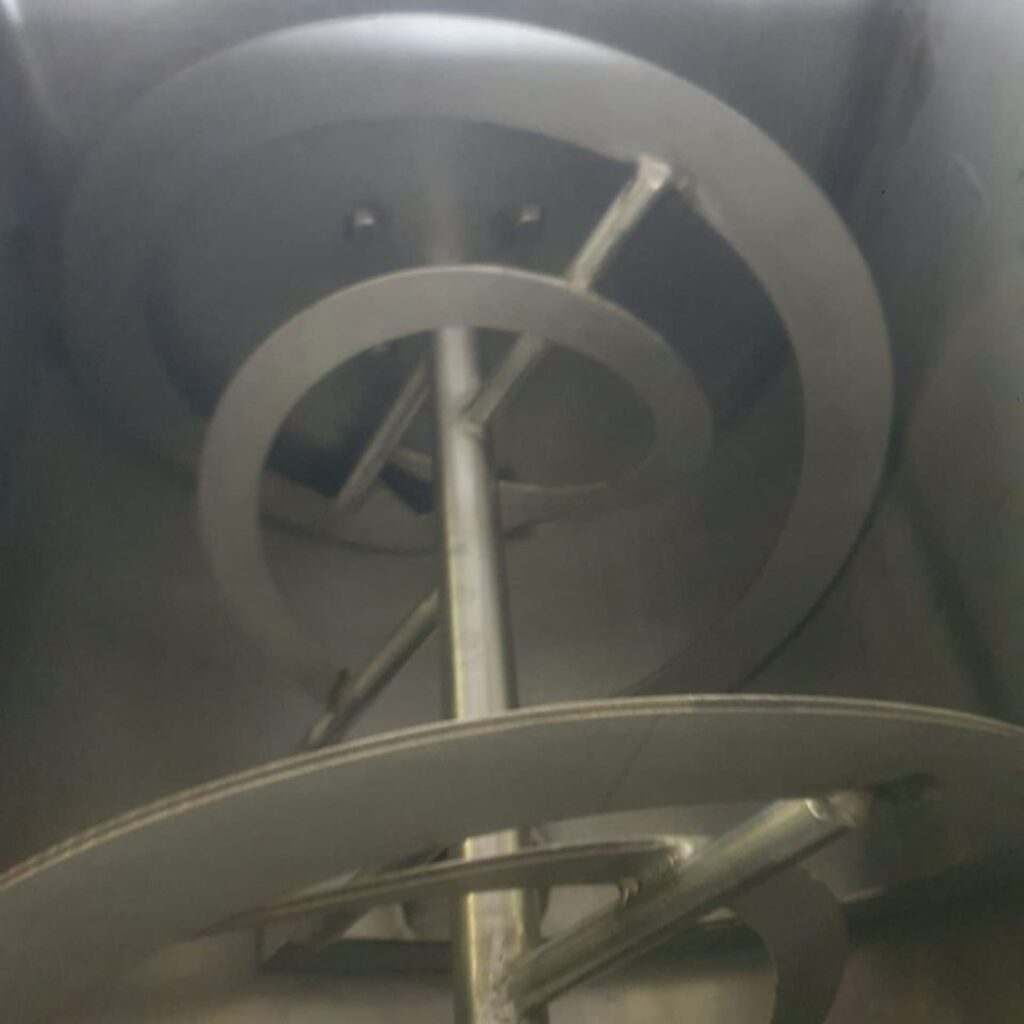
A ribbon blender uses a horizontal U-shaped trough with inner and outer helical ribbons mounted on a central shaft. These ribbons rotate in opposite directions, creating both lateral and radial mixing motion to ensure material folds evenly throughout the batch
The ribbons typically rotate at speeds up to ~300 feet per minute tip speed—slow enough to preserve fragile ingredients while achieving thorough mixing in minutes
2. Key Benefits of Ribbon Blenders
– Efficient, Uniform Mixing
The opposing ribbon motion enables quick, balanced blending—ideal for powders and dry solids
– High Volume & Cost-Effective
Ribbon blenders accommodate large batches (even thousands of liters), making them suitable for high-throughput operations with favorable energy usage
– Versatile Applications
Industries such as chemicals, pharmaceuticals, food processing, cosmetics, plastics, and agriculture use ribbon blenders for mixing powders, granules, and slurries
– Gentle on Ingredients
With controlled and gentle agitation, ribbon blenders preserve product integrity—even for friable or shear-sensitive materials
3. What Makes Ribbon Blenders Superior Across Industries
- Pharmaceuticals: Ensures consistent mixing of powders for accurate dosing.
- Food & Beverage: Sanitary ribbon designs make them great for spices, flours, protein mixes, and drink formulations.
- Chemical & Plastic: Mixes resins, catalysts, colorants, and additives effectively.
- Cosmetics: Ideal for blending powders and absorbing fragrances or oils.
- Agriculture: Suitable for herbicides, fertilizers, and animal feeds
4. 7 Expert Tips for Choosing the Right Ribbon Blender
Drawing on industry-leading advice, here are key factors to guide your selection:
- Size & Volume Considerations
Choose based on batch volume and ingredient density. Optimal mixing is achieved when the batch occupies 50–70% of blender volume - Agitator Design
Select based on shear needs and ingredient fragility. Double-ribbon or paddle-ribbon hybrids suit complex products or larger textures - Construction Material & Finish
Food-grade stainless steel and sanitary cleaning finishes are essential for hygiene-sensitive applications. Abrasion-resistant linings may benefit harsher materials - Discharge Gates
Choose from drop-bottom, pneumatic slide, or multiple gates depending on your discharge speed or dust control requirements - Ingredient Characteristics
Document density, friability, particle size, moisture, and abrasiveness to customize blender configuration effectively - Facility Constraints
Ensure the blender fits your production line footprint and integrates with upstream or downstream systems without issues - Safety & Motor Protection
Use variable frequency drives (VFDs) for better start-up control and motor protection. Avoid over- or under-sizing motors, as this can reduce performance or cause damage
5. Do’s & Don’ts for Long-Lasting Performance
- Do fill batches above 30% volume for efficient mixing.
- Don’t underfill or overfill—both reduce blend quality and strain components
- Do use VFDs to reduce wear.
- Don’t just increase motor size for dense formulations without consulting suppliers—this can damage shafts.
- Do consider paddle agitators for very fragile materials.
6. Ribbon Blenders vs. Other Mixers
Paddle vs. Ribbon Mixers:
- Ribbon blenders excel at large-batch, fine powder mixing with fast, convection-driven blending.
- Paddle mixers provide gentler mixing, ideal for fragile or sticky materials, though typically slower and lower capacity
Conical Blenders Comparison:
- Conical (e.g., double-cone) blenders offer gentle mixing, smaller footprints, and easier maintenance—especially good for heat-sensitive or delicate ingredients
Conclusion: Why Choose Ribbon Blenders
Ribbon blenders offer unmatched speed, efficiency, and versatility for mixing a wide array of materials. When correctly selected and maintained, they deliver consistent batches, energy savings, and long-term reliability.
Ready to Choose the Perfect Ribbon Blender?
To maximize your investment:
- Define your mixing volume and ingredient profile.
- Consult manufacturers for tailored agitator, drive, and discharge options.
- Prioritize materials and safety features to suit your industry needs.